
Changing the narrative: how does colonialism affect healthcare research?
Whose health is studied for scientific research, whose opinions get published, and how is healthcare impacted if some people are not included? In an ideal world, scientific research would be fair and equally applicable to everyone. At The City University of New York in the US, Dr Justine McGovern and Dr Lisa Fusco are looking at how colonial attitudes have impacted scientific research and techniques, and how rethinking healthcare research and practices could improve public health for everyone.
Talk like a health educator and promoter
Colonialism — the practice of a powerful nation exerting control over another territory and its people
Epistemic disobedience – the concept of challenging dominant forms of knowledge and thinking
Health promotion – the process of enabling people to increase control over and improve their health
Lived experience – first-hand knowledge and understanding that individuals gain through their personal circumstances
Public health – the large-scale practice of improving the health of whole populations or communities, rather than just individuals
Qualitative – research that is descriptive and does not include numbers, such as interview responses and observations
Quantitative – research that is based on numerical and statistical evidence
When a researcher conducts a study, they make multiple choices along the way – all of which can affect their research findings and how their research is applied to wider society. Alongside preconceptions that the researcher brings to the project, decisions include which research methods are used and which participants are included. Once the work is ready to be shared, scientific journals also impact the research outcomes by choosing whose opinions should be valued and what the barriers to publishing will be.
At The City University of New York, Dr Justine McGovern and Dr Lisa Fusco are analysing the way healthcare research is conducted. One of the main aspects of health they are focusing on is promoting epistemic disobedience. “Epistemic disobedience refers to dismantling the dynamics of power and privilege promoted by colonialism,” explains Justine. “It offers new ways of developing and disseminating knowledge that focus on different branches of knowledge.” This means considering health from a wider range of perspectives, experiences and research methods.
“At a basic level, epistemic disobedience might challenge the primacy of pharmaceutical medicine over traditional medicine,” adds Lisa. “It might also amplify community-based healthcare wisdom over scientific and medical beliefs.” Whatever form it takes, the goal of bringing in epistemic disobedience is to decolonise healthcare and challenge colonial structures and systems that have dominated healthcare research up till now.
Why is change needed?
Currently, most scientific research is conducted through a colonial lens, which means that certain experiences are not considered, certain research methods are overlooked and some solutions are not found. This has also led to huge health disparities between different groups. “Power structures in healthcare lead to discrimination, which results in health disparities based on social determinants of health, such as race, education, employment history, immigration status and financial resources,” explains Justine. “In order to have a fairer system where the health of all people is valued and taken seriously, we need to rethink who holds the power in research and learning in healthcare.”
Rethinking healthcare
One of the impacts of colonialism in healthcare research is that the default approach is to use quantitative methods over qualitative methods. “In quantitative research, individuals’ contributions are calculated rather than interpreted and are translated into numbers, graphs, etc. to assess significance rather than to capture personal experiences,” says Lisa.
While quantitative data can give numerical answers that seem clear, straightforward and objective, this data can also be misleading as it is not able to represent the full story of someone’s health. Instead of focusing on objectivity, rethinking healthcare research through a decolonial perspective would instead centre subjectivity, highlight different perspectives and validate the personal experiences of people within studies. Qualitative research techniques that give detailed descriptions of situations would change the nature of scientific research, making the work more able to encompass a broader range of perspectives.
Power within language
Another way of applying the practices of epistemic disobedience to healthcare is through changing the language used within studies. “In qualitative research, the participant or citizen scientist – who has historically been referred to as a research ‘subject’ in quantitative methods – is recognised as the expert,” explains Justine.
This shift in language – from ‘subject’ to ‘expert’ – changes the power dynamic and grants more importance to the person bringing their personal experience to the study, rather than the person running the study. While it seems like a small change, this wording completely reframes the power dynamic between study participants and study leaders.
A similar approach comes across through the change of the word ‘results’ in quantitative research to the word ‘findings’ in qualitative research. “In contrast to unquestionable ‘results’, ‘findings’ leave room for a range of interpretations and, importantly, revisions,” says Lisa. The wording changes the nature of the conclusion, with ‘findings’ leaving the outcome of the study more open for discussion and further understanding.
Power within publishing
Even once research has taken place, there are still various ways in which colonial perspectives shape how work is shared with the wider healthcare community. One of these is through language. “The de facto language of science is English, which excludes any number of potential contributors and readers and falsely elevates one language over others,” says Justine.
As well as language barriers, getting work published in scientific journals is often expensive. This means many researchers cannot afford to share their work through ‘high ranking’ journals where it will be read by the wider community.
Finally, getting work peer-reviewed by other researchers who have credentials (such as university degrees and a publication record) is a crucial part of getting work published. “According to the decolonial perspective, non-academics engaged in knowledge development need to also be recognised as the experts,” explains Lisa. “Their credentials may not consist of expensive degrees but rather of lived experiences and community-based recognition.”
Rethinking healthcare in practice
Reference
https://doi.org/10.33424/FUTURUM673

© Prostock-studio/Shutterstock.com
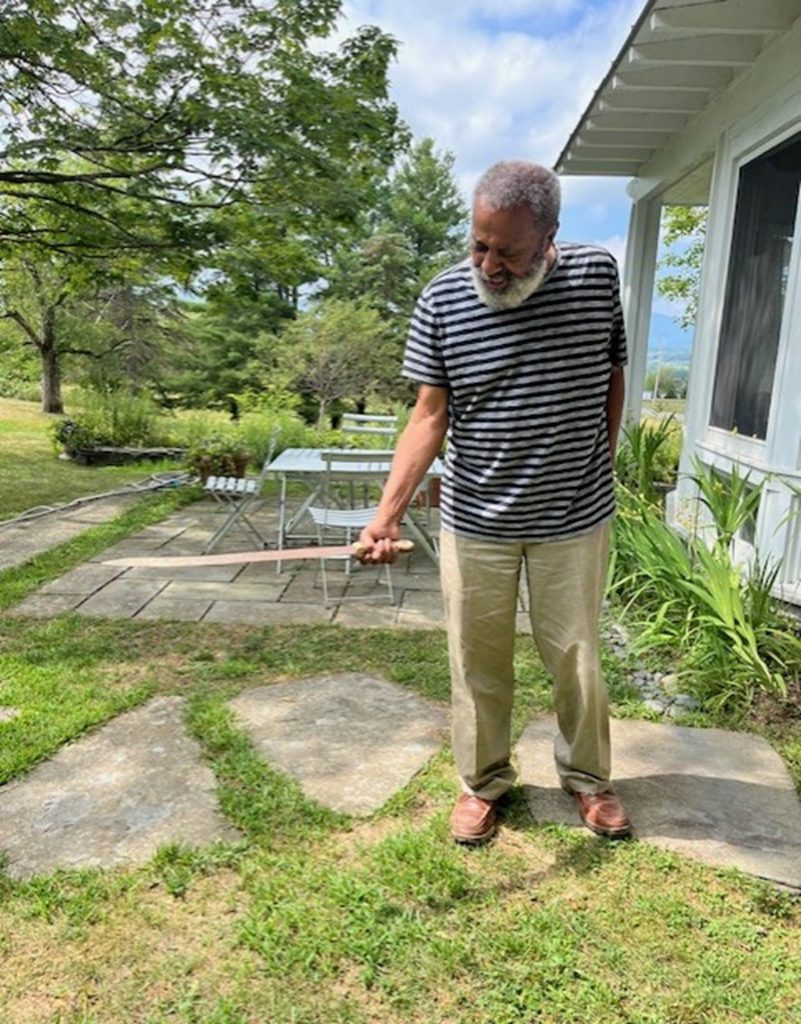
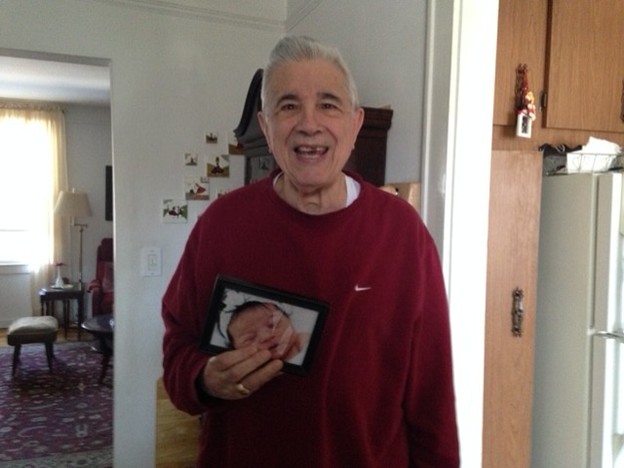
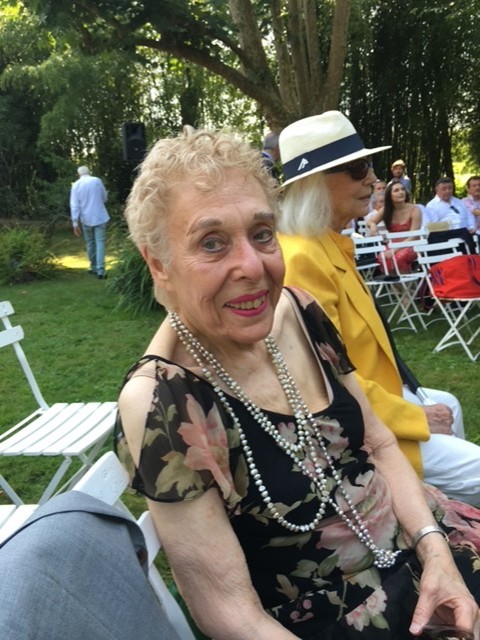
Dr Justine McGovern’s research also inspires her photography. She explains, “These photos illustrate, literally and metaphorically, vitality triumphing over the passage of time.”
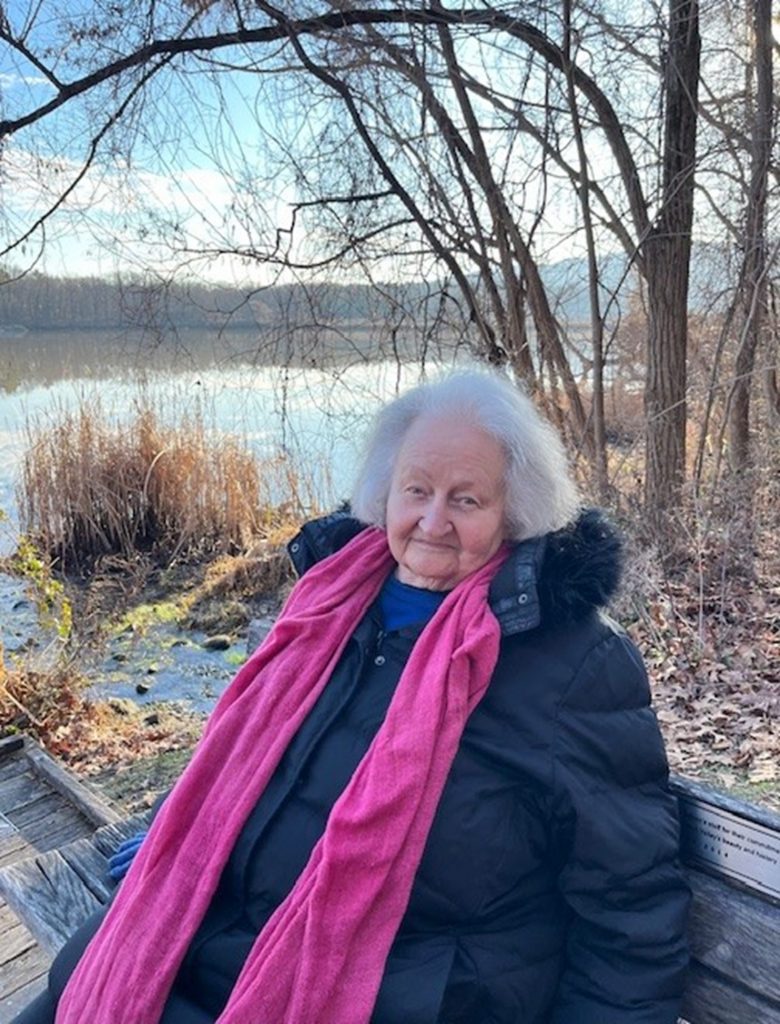
‘She Wears a Pink Scarf’
All photos © Justine McGovern

Justine and Lisa’s work highlights how colonial attitudes have impacted which research methods and ways of thinking have dominated healthcare research. By understanding where these decisions have come from, challenging them and applying the principles of epistemic disobedience, healthcare research has the potential to become more empathetic, inclusive and, ultimately, promote better healthcare outcomes for everyone.
 Dr Justine McGovern
Department Chair, Associate Professor, Health Promotion and Nutrition Sciences, Institute for Health Equity
Dr Lisa Fusco
Doctoral Lecturer, Graduate Program Director, Health Promotion and Nutrition Sciences
Lehman College, The City University of New York (CUNY), USA
Fields of research: Health promotion; health education; gerontology; epistemic disobedience
Research project: Investigating how healthcare research and promotion can challenge colonial practices
About health education and promotion
Health education and promotion involves promoting global public health and enabling people to have more control over their own health. Rather than working reactively and treating the symptoms of health problems, the work of health educators and promoters is often proactive and involves focusing on preventative measures. “Health education and promotion aims to equip individuals with essential tools and resources to support longevity and well-being,” says Lisa. “It represents an expanding discipline where students learn and understand the dimensions of health and implement them in both their own lives and those of others.”
Health educators and promoters can work in a variety of roles, including positions in non-government organisations (NGOs) or government departments influencing health policy, running workshops in schools or community settings, or interacting one-on-one with individuals to help them improve their health in personalised ways. Regardless of the specific aspects of the role, working in health education and promotion will involve connecting with, listening to and working alongside others to help people lead healthier lives.
“There is a strong sense of purpose in knowing that our work not only expands understanding in the field but also has a tangible and positive impact on people’s health and well-being,” says Lisa. “By empowering individuals and communities, health educators contribute to reducing health disparities and improving public health outcomes on a larger scale.”
The world of health education and promotion is swayed by current events and news, so it is important to keep up to date with what is happening around the globe. “These events shape the public’s interest and their need for education on a personal level,” says Lisa. “For example, there has been a noticeable reduction in the stigma associated with mental illness. This positive shift is creating new opportunities for mental health education and promotion, allowing these topics to be addressed more openly and effectively within communities.”
Pathway from school to health education and promotion
Health education is crucial for your own health as well as for preparing you to work in healthcare. “Whether it is a basic health education course that focuses on dimensions of health or a health content course that dives deeper into a specific topic like substance abuse or human sexuality, make the most of any health education courses available to you at school,” says Lisa.
Being able to communicate well and relate to others are essential skills in this field, so taking any additional classes in humanities and communication courses will be useful. “For anyone interested in a career in health education and promotion, having proper education and training is crucial. Health educators need to be experts in their field, as well as in all dimensions of health, from physical to emotional to social health,” says Justine.
After high school, a straightforward way to enter this field is to pursue a bachelor’s degree in a health-related field such as public health, health education or social work. You will then need to complete a doctorate if you want to become a researcher like Justine and Lisa.
Try to get some hands-on experience in social work or a healthcare setting. Contact your local medical practice or university researchers whose work you are interested in to see if they have any volunteering or shadowing opportunities.
Explore careers in health education and promotion
“Pursuing studies in health education and promotion can lead to diverse career paths, including roles in schools, hospitals, community organisations and public health agencies,” says Lisa. “Professionals in this field work to design effective programmes, influence health policy, and foster environments that encourage healthy choices.”
Lisa recommends looking at the websites of health education and promotion professional organisations to get more information. “The Society of Public Health Educators, the American Public Health Association, and the US Centers for Disease Control and Prevention are trusted and valued resources in the field,” she says.
The ‘Focus Areas’ page of the Society for Public Health Education website has some great information to help you learn more about a variety of healthcare topics that careers in healthcare education and promotion can touch on, from nutrition to COVID-19.
This video from health educators explains what they enjoy about working in the profession.
Meet Justine
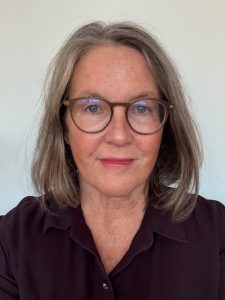
I was inspired to pursue social work because I wanted to find solutions to the problems I was learning about as an American Studies major at Yale University. I began working in child welfare, and, eventually, I became more intent on promoting well-being among older adults. When my mother died of Alzheimer’s disease, I narrowed my focus to supporting persons living with cognitive impairment, and their carers.
When I started my PhD, I knew I wanted to deepen my understanding of dementia experiences. Ever since, I have focused on older adulthood and the vast diversity of ageing experiences.
I have several proud moments that stand out as a practitioner in gerontology (the study of ageing) and as an educator. These include producing award-winning intergenerational programming and providing innovative experiential learning opportunities for college students.
In the future, I hope to continue to extend the reach of knowledge-building, by focusing on whose voices and experiences matter, what sources of knowledge are considered valid, and how knowledge is shared.
Justine’s top tip
Don’t limit yourself by always colouring within the lines!
Meet Lisa

After I graduated from university, I was offered a teaching position at an all-girls, private high school. I found this deeply rewarding as I felt that I was genuinely making a difference in the students’ lives.
Because health education touches on so many personal topics, there have been many times that I have had to teach something I was dealing with personally. Early in my career, I was diagnosed with breast cancer, and I spent that year teaching and developing a full cancer unit for my students.
I find great satisfaction in crafting lessons and materials that engage and inspire my students, allowing me to draw upon my imagination and experience to create meaningful learning opportunities. This creative process is not only professionally fulfilling but also personally rewarding, as it provides a space for innovation and reflection.
My proudest moment to date is earning my doctoral degree. In the four years I was working on this, I was pregnant, became a mom to my first two children and started at Lehman College. I am so proud I was able to juggle it all, stay on course and achieve my goal.
Lisa’s top tip
Find what you love and what you are passionate about and focus on working toward it. Connecting with specific topics is so important. If you find what you love, your work will continue to be exciting and rewarding.
Do you have a question for Justine and Lisa?
Write it in the comments box below and they will get back to you. (Remember, researchers are very busy people, so you may have to wait a few days.)

How can churches promote health equity in African American communities?
0 Comments