
What are the links between childhood stroke and epilepsy?
Strokes are most often associated with older adults, but they can happen to babies, children and teenagers too. Although they are rare, childhood strokes can have serious long-term effects, with one in three children going on to develop seizures and epilepsy. At the University of California, San Francisco and Benioff Children’s Hospital in the US, Dr Christine Fox is exploring how the brain heals itself after a childhood stroke and uncovering how this can lead to epilepsy.
Talk like a paediatric vascular neurologist
Cognitive – relating to mental processes including thinking, learning, memory and understanding
Epilepsy – a neurological condition where a person has repeated, unprovoked seizures
Haemorrhagic – caused by bleeding, especially from a ruptured blood vessel
Ischemic – caused by a blockage that reduces or stops blood flow
Neurology – the field of medicine that studies, diagnoses and treats disorders of the nervous system, which includes the brain, spinal cord and nerves
Paediatric – the treatment and medical care of children
Stroke – a medical emergency where blood flow to part of the brain is suddenly interrupted or reduced
Seizure – a sudden burst of abnormal electrical activity in the brain that can affect movement, behaviour or awareness
Around one in four adults will have a stroke in their lifetime, and the risk of having a stroke increases with age. But children can experience strokes too. “Although strokes occur more commonly in adults, a stroke can affect people of any age, including babies, children and teenagers,” says Dr Christine Fox from the University of California, San Francisco. “Childhood strokes are rare, but can lead to later complications, with roughly one in three patients developing epilepsy.”
What is stroke?
There are two main types of stroke: ischemic stroke and haemorrhagic stroke. While ischemic strokes are caused by a blocked blood vessel, haemorrhagic strokes are caused by bleeding in the brain. “Strokes in children often have different causes than those in adults,” says Christine. “Some children have a stroke because of conditions such as heart defects, blood-clotting disorders or a blood vessel malformation in the brain. Sometimes, a stroke will happen in someone who is healthy but gets an infection or injury that damages blood vessels in the head or neck.”
The common signs of a stroke for adults – face drooping, arm weakness, slurred speech, dizziness, headaches – may differ for babies and children. “Childhood strokes are often misdiagnosed at first because most people don’t expect them,” says Christine. “Younger children can’t describe what they’re feeling, so symptoms may seem vague and are easily mistaken for other, more common conditions like migraines.” These misdiagnoses can delay treatment.
“Identifying a childhood stroke as quickly as possible is crucial because the brain is extremely sensitive to losing blood flow, and every minute of delay can lead to more damage,” says Christine. Fast diagnosis allows doctors to begin treatments that restore blood flow, improve recovery and give the brain a better chance to heal.
Once the initial emergency is over, doctors focus on protecting the patient’s brain from further complications and diagnosing the cause to prevent more strokes from happening. Longer term, the priority shifts to rehabilitation. “This can include physical therapy, speech-language therapy and occupational therapy to help with movement and daily tasks,” says Christine. “Children’s brains are still developing, which affects how they respond to injury and how quickly they recover. The good news is that a child’s brain has a strong ability to adapt. With early treatment, rehabilitation and support, many young people can regain skills and continue to lead active, fulfilling lives.”
What are the VIPS studies?
The international research projects VIPS I and VIPS II (Vascular Effects of Infection in Pediatric Stroke) took place between 2010-2014 and 2016-2022 and explored whether common colds or viruses could contribute to ischemic childhood stroke. “The VIPS studies provided strong evidence that minor infections can trigger stroke in children,” says Chrisine. “There is nothing unusual about the infections themselves, so further analyses are underway to uncover whether there is something unusual about how the body responds to infection that leads to stroke.”
What are the links between childhood strokes and epilepsy?
About one in three children who have strokes will go on to develop epilepsy, which is far higher than in adults who have strokes. Epilepsy can be caused by brain injuries and people with epilepsy experience repeated seizures. “Injured brain tissue is more likely to produce abnormal electrical signals, even after it heals,” says Christine. “Epilepsy can start weeks, months or even years after a stroke.”
It is hard to know when a seizure will happen, which can make living with epilepsy tough. “Some children worry that a seizure might happen in public, which can make it harder to concentrate or feel confident in new situations,” says Christine. “Seizures and the fear of having them can influence daily life, school, friendships and confidence.” Some seizures may lead to injuries caused by falling, and anti-seizure medications can cause tiredness, mood swings and cognitive difficulties.
The SCOUTS study
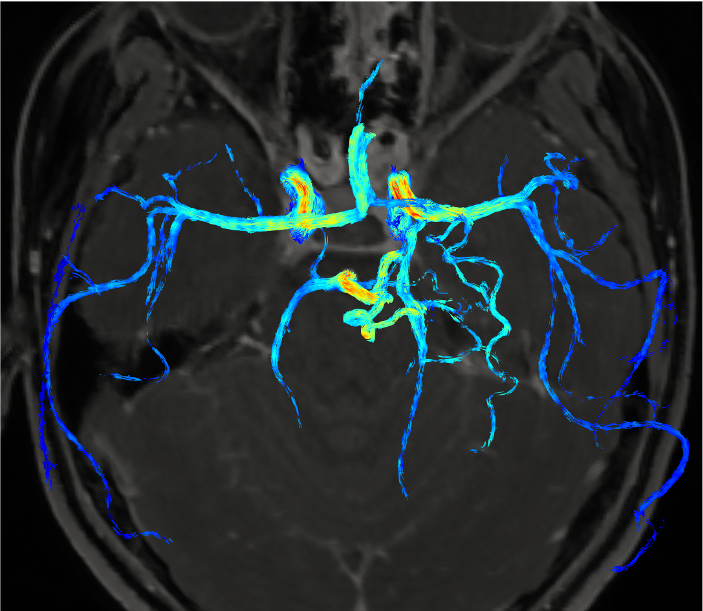
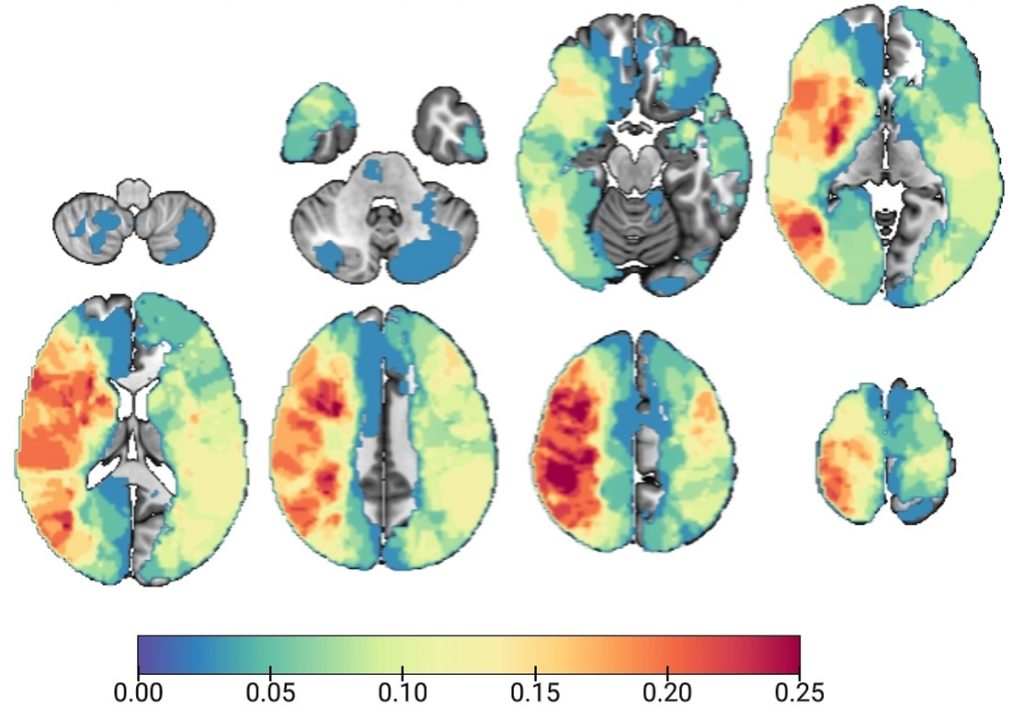
Christine is leading the SCOUTS (Seizures and Children’s Outcomes after Stroke) study, which is trying to understand how the brain recovers after a childhood stroke. She is exploring whether inflammation, which occurs when the brain is healing, might impact the likelihood of epilepsy. “From studies in animals, we know that certain inflammatory responses in the brain after a stroke can influence the chance of developing epilepsy,” says Christine. The SCOUTS study is also identifying which connections in the brain, known as neural networks, are more likely to trigger seizures after a stroke.
“In this study, we are analysing brain images and information about inflammatory markers that were collected from children at the time that they were enrolled in the VIPS studies,” says Christine. “We are collecting new data from those same children, years later, about whether they have developed epilepsy as well as asking about other physical, cognitive and emotional outcomes.”
What are the next steps?
Christine is exploring the differences in the brains of children who develop epilepsy after a stroke compared to those who do not. “The SCOUTS study will help us find ways to predict who is most likely to develop epilepsy after a stroke based on the neural networks that are injured or the inflammatory responses measured in their blood,” she says. “In the long-term, we want to learn how to prevent post-stroke epilepsy. We hope to find treatments, like a medicine that targets a specific inflammatory response, that we can give to children who are at higher risk of epilepsy after a stroke.”
Reference
https://doi.org/10.33424/FUTURUM703
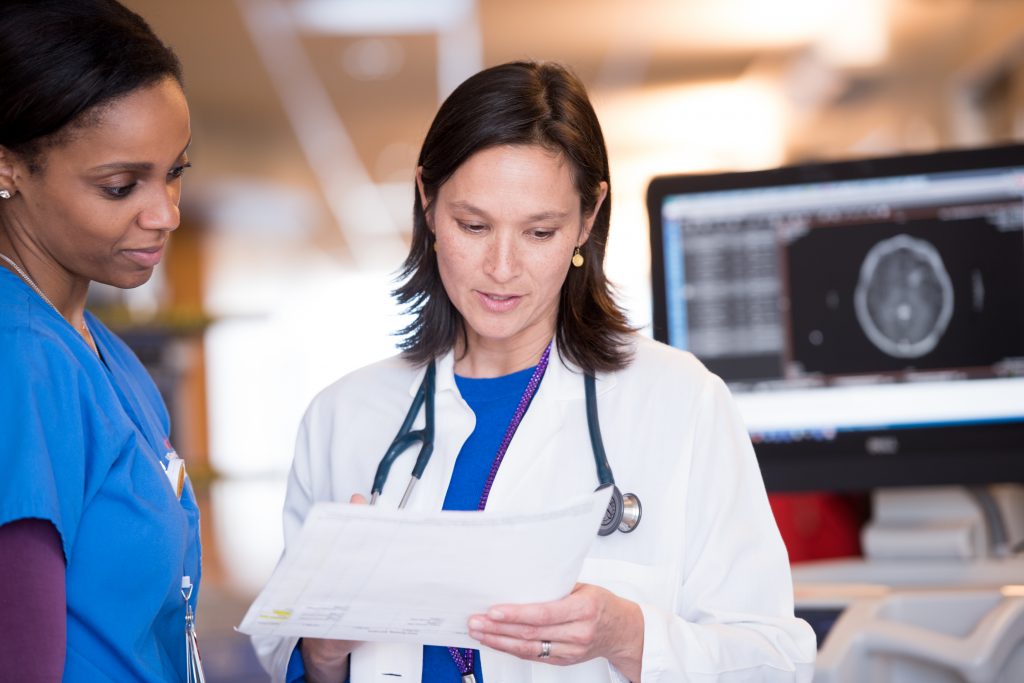
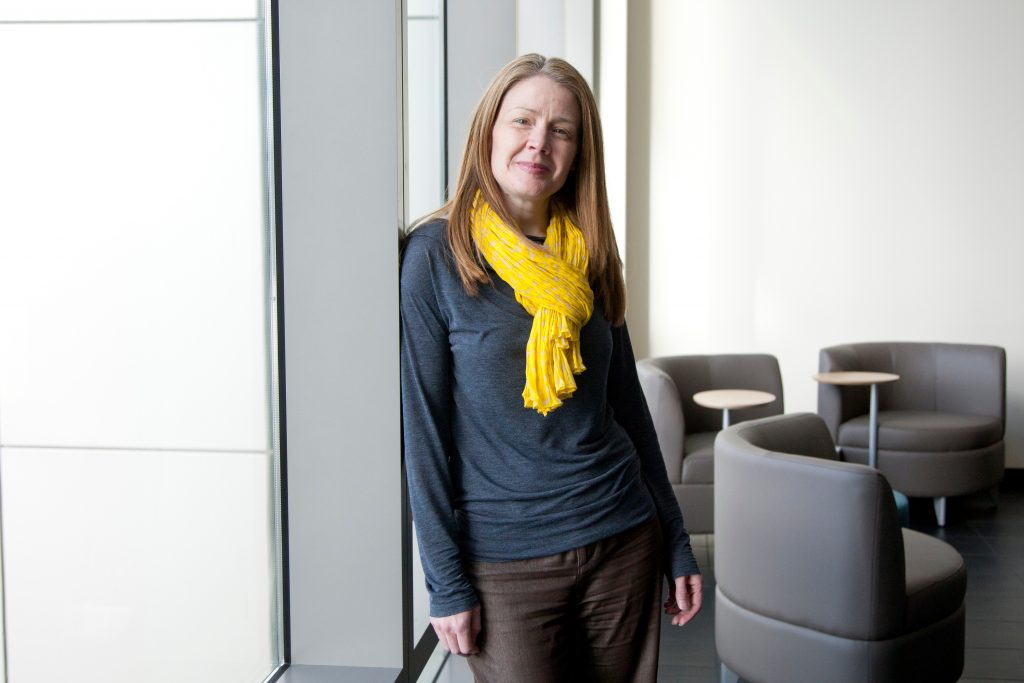


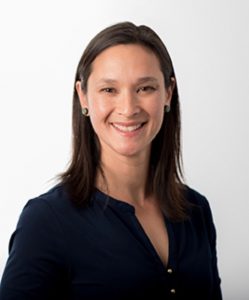 Dr Christine Fox
Professor, Department of Neurology, University of California, San Francisco (UCSF)
Director, Pediatric Stroke and Cerebrovascular Disease Center, Benioff Children’s Hospital, California, USA
Field of research: Paediatric vascular neurology
Research project: Investigating how childhood stroke leads to epilepsy through the Seizures and Children’s Outcomes after Stroke (SCOUTS) Study
Funders: US National Institutes of Health (NIH); American Heart Association; Pediatric Epilepsy Research Foundation
This work is supported by the NIH-NINDS under award number R01NS119896. The contents are solely the responsibility of the authors and do not necessarily represent the official views of the NIH.
About paediatric vascular neurology
“Paediatric vascular neurology is an exciting field because doctors and researchers are still discovering why strokes happen in children and how to treat them more effectively,” says Christine. Childhood strokes are rare, so there is still a lot of research to be done, and working in the field provides the opportunity to carry out meaningful studies and shape future treatments.
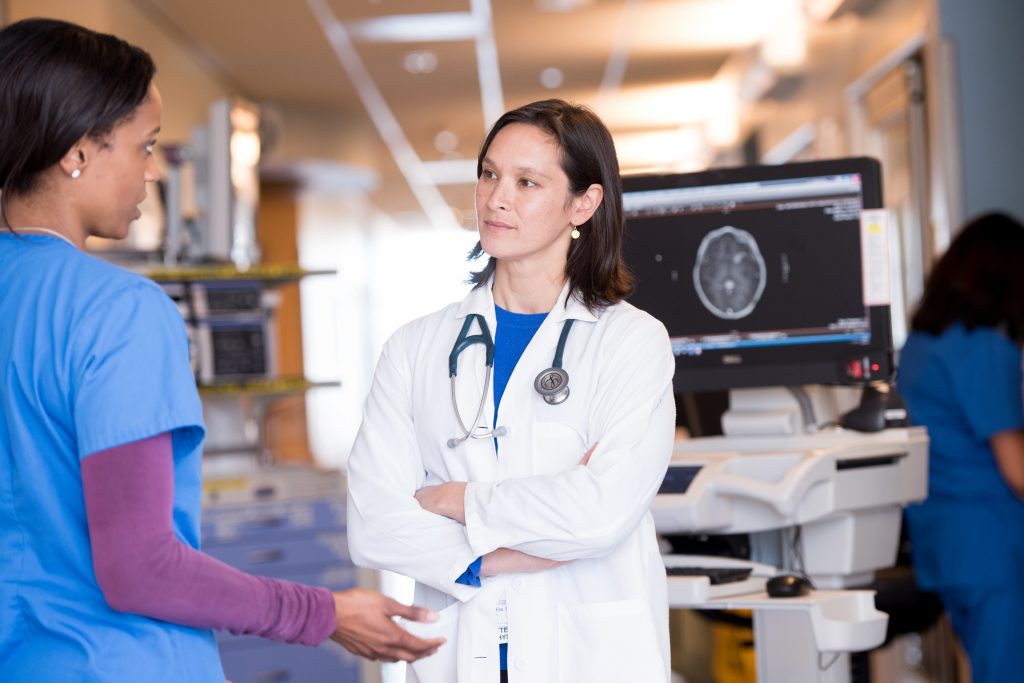
For Christine, each day is varied as she splits her time between working with patients, conducting research and teaching students. “In my clinical practice, I am often faced with medical mysteries and challenged to think creatively,” she says. “Working with medical students and neurology residents at different levels of training is rewarding, and as a researcher I get to collaborate with scientists around the world and contribute to research that can genuinely help children. My day-to-day work is highly collaborative, working with many other subspecialists like neurosurgeons, radiologists, intensive care specialists and therapists to name a few. Every day is a little bit different and offers a chance to learn something new.”
Working with a rare disease presents practical problems, such as finding research funding, but the main challenges are on a human level. “Working in an intense hospital setting with children who have serious neurological injuries can be stressful, and, some days, the work is emotionally heavy,” says Christine. “Part of my job is to have hard conversations with parents or kids who are scared, overwhelmed or grieving. While these aspects of my work are challenging, those challenges are also what make the work meaningful. I hope that I can give critical medical care, provide valuable information for families to understand and make medical decisions, and offer human comfort.”
Pathway from school to paediatric vascular neurology
At school, subjects like biology, chemistry and physics can help you build a solid foundation. Developing communication and teamwork skills will also be beneficial.
At university, studying medicine and taking courses in neurology, paediatrics and research methods will build on these foundations.
Christine recommends developing traits such as curiosity, persistence and empathy. “It’s also important to take care of yourself along the way, because medical training is long and can be demanding,” she says. “Developing good study habits, time management skills and coping strategies for stress will serve you throughout your career.”
“Get exposure to healthcare settings by volunteering at hospitals or shadowing doctors to help you understand what it’s like to work with patients and families,” suggests Christine. “Look for opportunities to get involved in research. This will help you build critical thinking skills and find out if you like the day-to-day work of a scientist.”.
Explore careers in paediatric vascular neurology
The UCSF Science & Health Education Partnership runs an eight-week summer internship programme for high school seniors in San Francisco and the UCSF Center for Science, Education and Outreach offers an eight-week summer enrichment programme for high school students. “Many other universities may have opportunities for high school students who are looking for exposure to careers in health or science,” says Christine.
Explore the websites of the World Stroke Organization, the American Academy of Neurology, the International Child Neurology Association and the International Pediatric Stroke Organization for useful information, resources, career advice, and opportunities to volunteer and meet professionals in the field. You could even consider attending events or conferences to discover more.
Meet Christine
As a teenager, I loved to read and to play sports – volleyball, basketball, track and rugby. Playing sports and being physically active has always been helpful for me as a social outlet and to balance other interests with school and work. I would have experienced a lot more burnout if I did not have these fun outlets!
I love working with people. Some of my patients are healthy but have a stroke risk factor, and I teach them how to stay healthy. Some of my patients have had a stroke, and I am involved in their medical treatment during their recovery. It is a privilege to be able to support children and their families during a vulnerable time, to develop long-standing relationships, and to see kids grow and change.
I love working with my colleagues at UCSF and with research collaborators around the world. It’s exciting to be able to travel for work and engage with other people who are interested in similar areas of science and medicine. My schedule is a little different each day and each week, which makes the work interesting and keeps me on my toes.
I love to be physically active. I bike to work almost every day, and enjoy mountain biking, road cycling, snowboarding and running with friends. I have three kids, so our household is pretty busy. I like to cook with my husband and eat family dinner together when we can make it work with everyone’s crazy schedules!
Christine’s top tips
1. Find a sub-discipline that you enjoy. This will help you persevere when the training becomes tiring.
2. Build strong relationships with supportive peers and mentors.
3. Maintain a balance in life with friends, family and your other interests. This is key to satisfaction in whatever career you pursue.
Do you have a question for Christine?
Write it in the comments box below and she will get back to you. (Remember, researchers are very busy people, so you may have to wait a few days.)

Learn more about how researchers and doctors are helping children recover from cancer:
0 Comments