
What is it like to work in a radiation oncology department?
Radiation oncology is a field of medical science that uses high-energy radiation to kill cancer cells. The field relies on collaboration between researchers and clinicians with a variety of skills and expertise. For example, the Department of Radiation Oncology at the University of California, Los Angeles is home to a diverse range of scientists including Dr Erina Vlashi, a radiation oncology researcher, Dr Michael Xiang, a clinical radiation oncologist, Dr Danilo Maziero, a medical physicist, and Dr Fang-I Chu, a biostatistician.
Talk like a radiation oncologist
Glioblastoma – a highly-aggressive form of brain cancer
Oncology – the branch of medicine dedicated to diagnosing, treating and preventing cancer
Reactive oxygen species – highly reactive molecules containing oxygen that can damage DNA, lipids and other cellular structures
Our cells are programmed to obey self-destruct orders when they become irreparably damaged, and most cells valiantly follow these orders, sacrificing themselves for the good of the body. However, cancer cells have been reprogrammed to ignore these instructions and continue to grow and divide, leading to the formation of tumours and the invasion of nearby tissue. If the cancer is not destroyed or removed, it can cause serious health conditions and, ultimately, lead to death.
Fortunately, survival rates are improving as scientists and doctors develop new tests and treatments with reduced toxicity to normal tissue. For example, in the Department of Radiation Oncology at the University of California, Los Angeles, researchers and clinicians are working together to study cancer cells, test new treatments, design new therapeutic machines and treat patients. This hub of collaboration and teamwork includes Dr Erina Vlashi, a radiation oncology researcher, Dr Michael Xiang, a clinical radiation oncologist, Dr Danilo Maziero, a medical physicist, and Dr Fang-I Chu, a biostatistician.
What is radiation therapy?
“Radiation therapy is a form of cancer treatment that uses high energy ionising radiation to eliminate cancer cells,” explains Erina. “It does this either by damaging DNA molecules directly or by breaking water molecules down into hydrogen and oxygen. This produces reactive oxygen species which go on to damage other molecules in the cell, including DNA.”
Cancer cells are less efficient at repairing damaged DNA than healthy cells, so they can be destroyed with radiation doses that do not irreparably harm healthy cells. Even so, highly sophisticated machines are necessary to focus the radiation at tumours whilst protecting healthy tissue.
“The potential of harming healthy cells limits how much radiation we can deliver to a patient’s tumour,” says Erina. “If we deliver too high of a dose, we risk damaging healthy tissue.” The holy grail of cancer treatment is to find a therapy that kills every cancer cell without harming any normal cells. Unfortunately, for some cancers, radiation treatments are not yet at this stage, but Erina and her team are looking for new ways to make radiation therapy more effective.
“Radiation therapy is used to treat more than 60% of patients with cancer, and it can cure several types of the disease, especially if it is used early in the cancer’s growth,” says Erina. “However, some cancers, such as glioblastomas and pancreatic cancer, are resistant to the radiation doses that we can safely deliver to a patient. One of the main goals of our research is to figure out how to make these tumours more sensitive to radiation therapy so that we can eliminate them using safe doses.”
Why are some cancers resistant to radiation?
Like all cells, cancer cells need nutrients to survive. Through the process of cell metabolism, these nutrients are broken down or combined to help a cell perform its function. However, some cancer cells reprogramme their metabolism to use nutrients for fuelling uncontrolled growth and division, allowing them to form tumours and spread. Some tumours, like glioblastomas, also use their metabolism to ‘shield’ themselves from radiation therapy.
“Glioblastoma cells can use their metabolic reactions to make antioxidants which neutralise the damaging reactive oxygen species generated by radiation therapy,” explains Erina. “This allows them to survive radiation therapy and makes them hard to control using current radiation therapy techniques.”
How does Erina study radiation resistant cancers?
By studying the metabolism of glioblastoma cells, Erina and her team hope to figure out exactly how these cells survive radiation therapy. “Once we understand their strategy, we can devise ways to interfere with it in the hope of making them less resistant to radiation therapy,” she says. “If we are successful, we can achieve much greater tumour control and even find cures for tumours that are currently hard to treat with radiation therapy.”
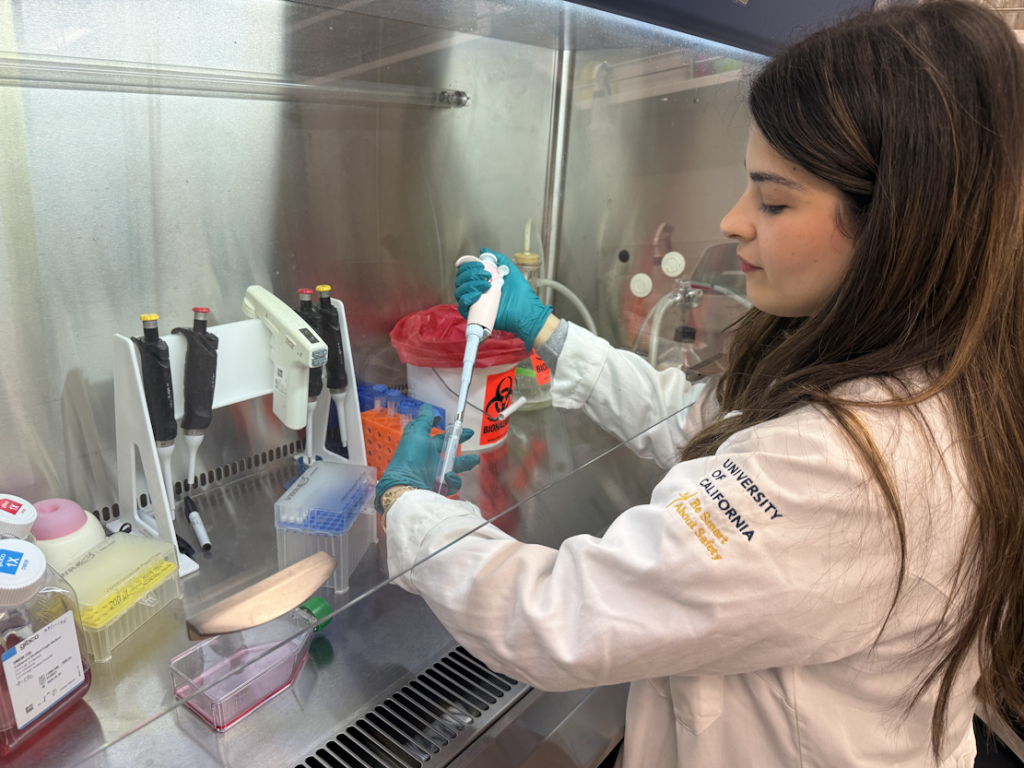
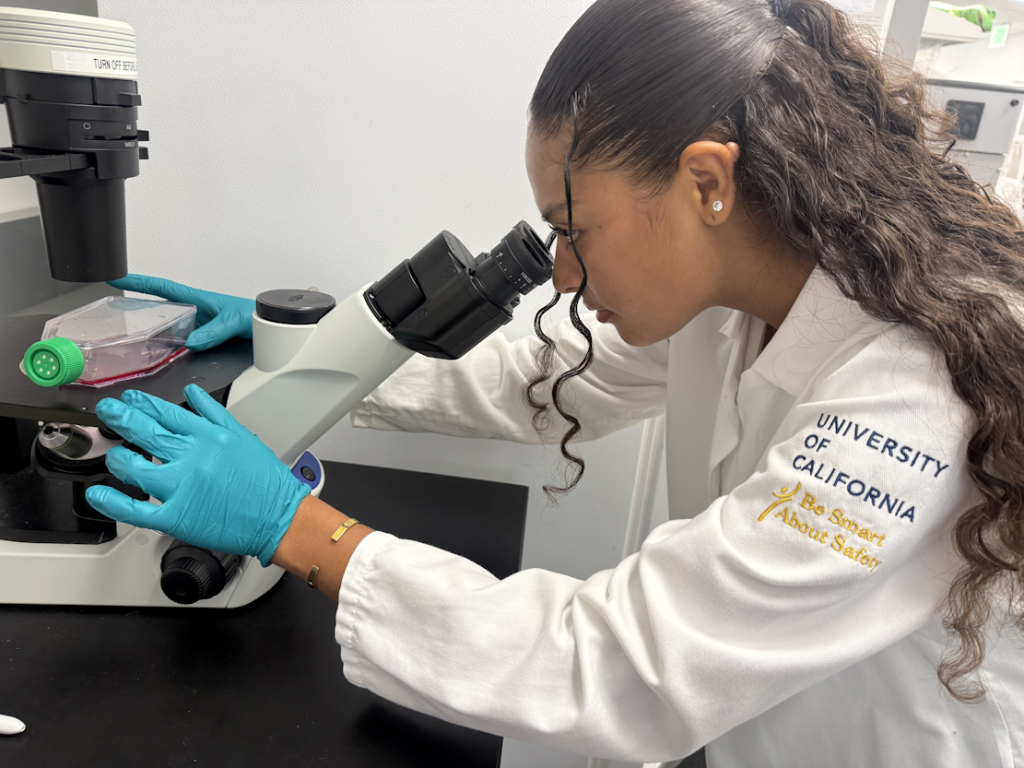
In the lab, Erina’s team use a variety of experimental techniques to study cancer cells. “We start by testing ‘cell lines’, which are cancer cells that have been isolated during the surgical removal of a glioblastoma and grown in a laboratory environment,” says Erina. “But killing cancer cells in a petri dish is easy; killing them inside a human body without harming healthy tissue is much harder.” This is why the team often tests their new therapies in experimental animals.
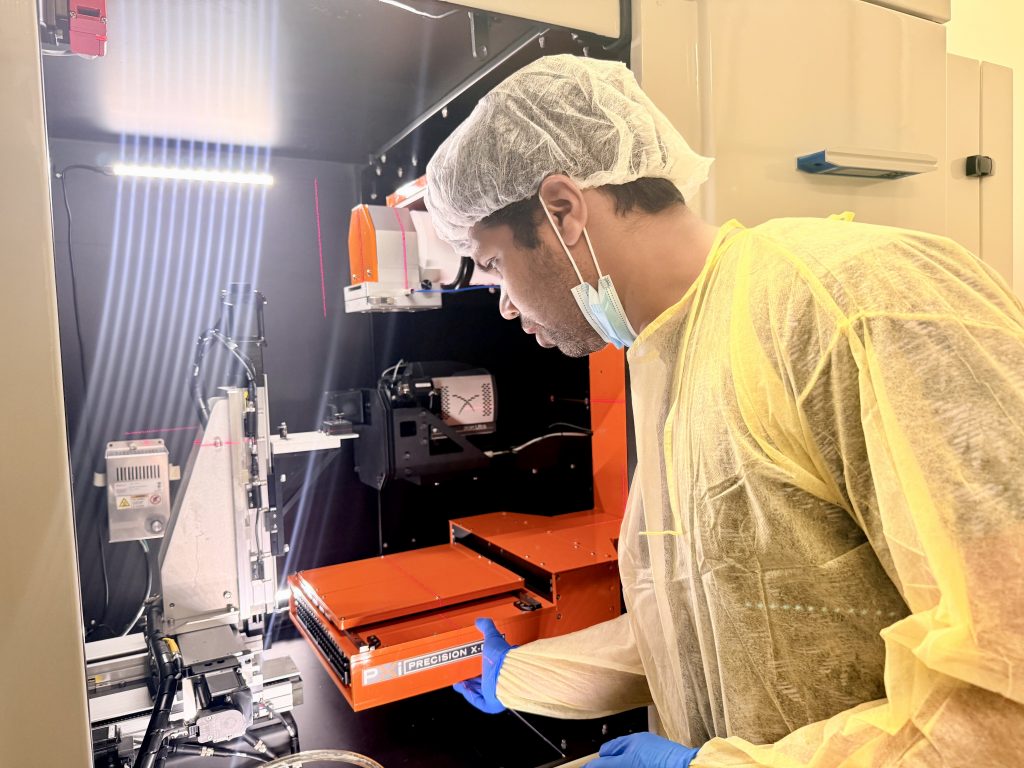
“To mimic a human tumour growing in the brain of a patient with cancer, we can implant glioblastoma cells into the brains of experimental mice,” explains Erina. “We also have ‘small animal irradiators’ that resemble the machines used in the clinic to treat patients and are designed to deliver targeted radiation therapy to mice.”
Reference
https://doi.org/10.33424/FUTURUM711
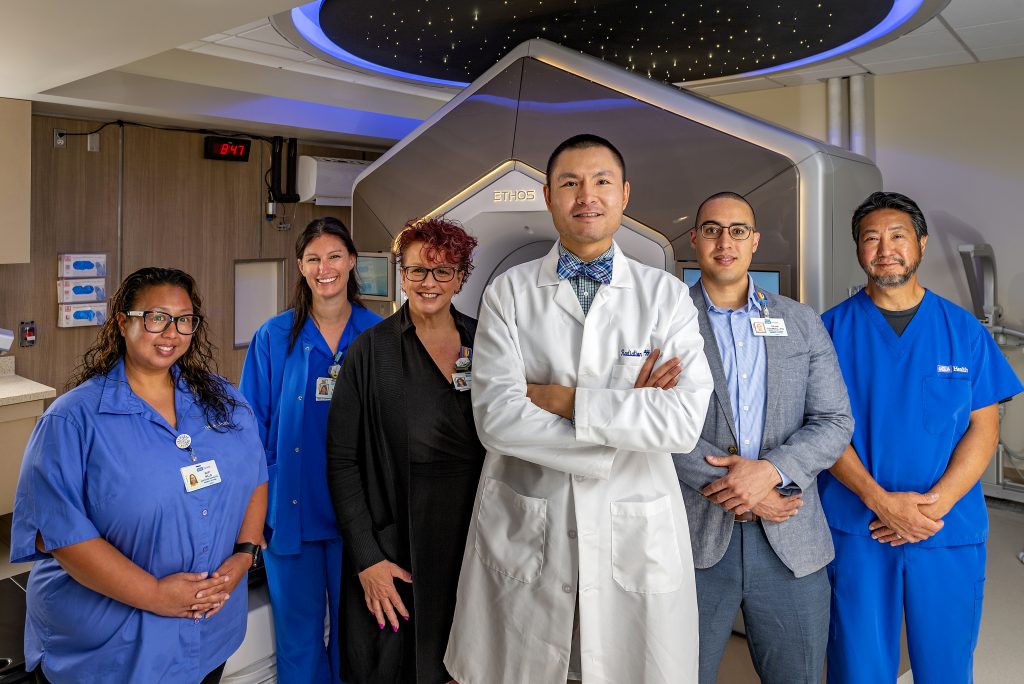
Members of the radiation oncology clinic, including physician, medical physicist, certified medical dosimetrist, radiation therapists, nursing, and patient navigator.
What has Erina discovered?
“We have discovered that if we remove a particular amino acid (called serine) from the diet of mice with glioblastomas, radiation therapy becomes much more effective at slowing the tumours,” says Erina. “We are now looking into whether manipulating the immune system can further enhance this therapeutic effect.”
Erina’s team is also studying pancreatic cancer, which is difficult to treat with radiation therapy, due in part to the pancreas’ location in the body. “Pancreatic tumours tend to be very close to the normal gastrointestinal tract, which is very sensitive to radiation,” explains Erina. “So we are trying to find ways to protect the gastrointestinal tract so that we can make radiation therapy more effective for patients with pancreatic cancer.”
“Ultimately, our goal is to find new strategies to more effectively treat aggressive tumours with radiation therapy and to bring these strategies to patients with cancer,” continues Erina. “Achieving this goal is only possible because we have a variety of skills, tools and expertise within our department, and because we all work together towards a common goal – figuring out how to make radiation therapy as effective as possible in eliminating as many tumours as possible and extending the lives of patients with cancer.”
 Dr Erina Vlashi
Field of research: Radiation oncology
Dr Michael Xiang
Field of research: Clinical radiation oncology
Dr Danilo Maziero
Field of research: Medical physics
Dr Fang-I Chu
Field of research: Biostatistics
Department of Radiation Oncology, University of California, Los Angeles, USA
Research project: Optimising radiation therapy for treating cancer
Funders: US National Institutes of Health (NIH); National Cancer Institute (NCI)
About radiation oncology
Radiation oncology is a dynamic and multi-disciplinary field. As well as researchers like Erina, the field includes clinicians (who treat patients and run clinical trials to test new treatments), medical physicists (who oversee the development and maintenance of the equipment that delivers radiation therapy) and biostatisticians (who help with the design of clinical trials, statistical analysis, and the interpretation and reporting of results).
Clinical radiation oncologists
Radiation is one of the three main pillars of cancer treatment, along with chemotherapy and surgery. Together, clinicians from each pillar will create treatment plans for each patient. “I meet patients for an initial consultation to discuss the benefits and potential risks of radiation therapy,” says Michael. “Then, I tailor the treatment to the patient’s needs and deliver the therapy. Each step of the process requires working with and managing a diverse team.”
Medical physicists
“As a medical physicist working in radiation oncology, my role is broad and dynamic,” says Danilo. “In the clinic, I work closely with doctors to design treatment plans and make sure that radiation therapy is delivered safely. Radiation therapy relies on complex equipment, and part of my job is making sure these machines are working accurately and safely. I also check the radiation shielding of treatment rooms and test safety systems to make sure that patients, staff and families are protected.”
In addition to clinical work, medical physicists are deeply involved in research and innovation. “We help introduce new technologies and treatment techniques into the clinic, making sure they are safe, effective and truly beneficial for patients,” explains Danilo.
Biostatisticians
“As a biostatistician, I use statistics to gain insight into questions within the field of radiation oncology by extracting, summarising and analysing data,” says Fang-I. “Through answering these questions, we can identify better treatments for patients and advance scientific knowledge.” Fang-I’s job involves providing statistical input throughout the course of a clinical trial – from the planning stage to data collection and analysis – and reporting on the results to make sure they are meaningful and easily understood.
Pathway from school to radiation oncology
To become a radiation oncology researcher, Erina recommends taking as many science classes as you can. “They are all important and teach you to think about scientific questions from different perspectives,” she says.
To become a clinician, Michael recommends studying biology, chemistry, physics and social sciences, all of which are usually required to get into medical school.
To become a medical physicist, Danilo recommends building a strong foundation in physics, mathematics, engineering and programming (specifically Python, C++ or C#).
To become a biostatistician, Fang-I recommends training in applied mathematics, statistics, statistical programming and critical thinking.
Explore careers in radiation oncology
Seek hands-on experiences such as internships, research projects, work shadowing or volunteer opportunities. This is a great way to connect what you’ve learnt in the classroom with real careers.
Reach out and talk to people at different stages of their career journey in radiation oncology. Students at local universities, scientists in research labs and clinicians in local hospitals will all have different perspectives that can give you a realistic, well-rounded view of what your career path might look like.
Meet Erina
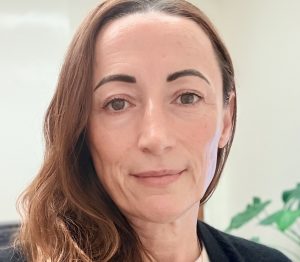 Conducting scientific research in radiation oncology, especially in collaborative projects, gives you the opportunity to make a large impact in the lives of patients with cancer. I love introducing my students to this field and guiding them to think about and help solve some of our biggest challenges.
Success in scientific research, including radiation oncology, is built from staying curious, asking good questions and learning from many failed experiments. Curiosity will keep you coming back after all the setbacks.
Marie Curie, Nobel Prize Awardee for her studies in radioactivity, said, “Nothing in life is to be feared, it is only to be understood. Now is the time to understand more, so that we may fear less.” So, stay curious, work hard and fear less.
Meet Michael
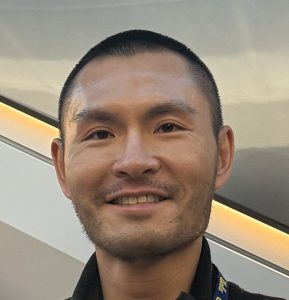 As a teenager, I was deeply interested in math and science. However, during my studies, I discovered that I was more drawn to taking care of patients than laboratory-based research because of the human element and the immediacy of having a direct, positive impact on others.
Although we have guidelines to help us, every patient’s situation is unique. We often have to weigh-up different treatment options and work with patients to decide which option is best for them. Unfortunately, despite our best efforts, not all patients will have favourable outcomes. In these moments, we still strive to provide comfort if cure is not possible. When caring for others, taking care of yourself both mentally and physically is also important, and seeing patients who are healthy and in remission is a motivation to keep doing what we do.
Learning is a lifelong process. We must remain flexible and open to new findings as science and technology advance. As a doctor, other humans have placed their livelihood and well-being in your hands, and that is an awesome and humbling responsibility.
Meet Danilo
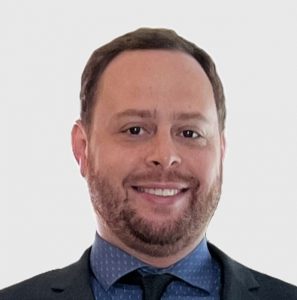 As a teenager, I had many interests including skating, karate, music and computers. I encountered medical physics when my grandfather underwent radiation therapy, but didn’t consider it as a career until my final year of high school.
Using physics to help people is incredibly rewarding. Ideas that start as equations or theories can quickly turn into tools that improve patient care. Medical physics is a growing field with strong career prospects and the chance to work with inspiring people on meaningful challenges every day.
Strong communication skills are essential for this career. Being able to explain complex ideas and to listen to perspectives from other disciplines is critical for good teamwork and patient care. Progress often comes from considering the ideas of people who differ from your own background or way of thinking. Respecting and learning from others strengthens both clinical practice and research.
Meet Fang-I
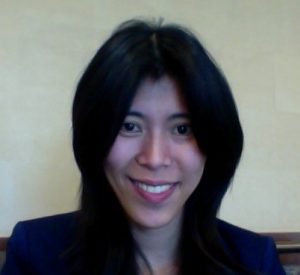 There are so many questions in biology and medical science that are relevant to all human beings. While most of these questions may not be answered easily, statistics allows us to have a better grasp on them.
I cherish the opportunity to let my curiosity run free, the strong sense of belonging I get from working as part of a team, and being able to recognise how my input fits into the bigger picture. It is an honour to be part of a positive force aiming to improve patient care and advance medical knowledge.
Students who are passionate about solving problems, helping others and advancing medical knowledge as part of a team will find pursuing a career as a biostatistician in radiation oncology satisfying and rewarding.
Do you have a question for Erina, Michael, Danilo or Fang-I?
Write it in the comments box below and they will get back to you. (Remember, researchers are very busy people, so you may have to wait a few days.)

Learn about cancer care and oncology research:
futurumcareers.com/how-philanthropy-is-improving-cancer-care-and-oncology-research
0 Comments