
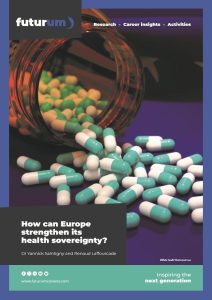
How can Europe strengthen its health sovereignty?
Having access to medicines, medical equipment and reliable healthcare technologies is essential for protecting public health. But how can Europe make sure it has the resources and expertise it needs, particularly during a crisis? At the Institut de Biologie François Jacob at CEA in France, Dr Yannick Saintigny and Renaud Laffourcade have developed a Technological Sovereignty Index to help policymakers assess how much control they have over the technologies they rely on.
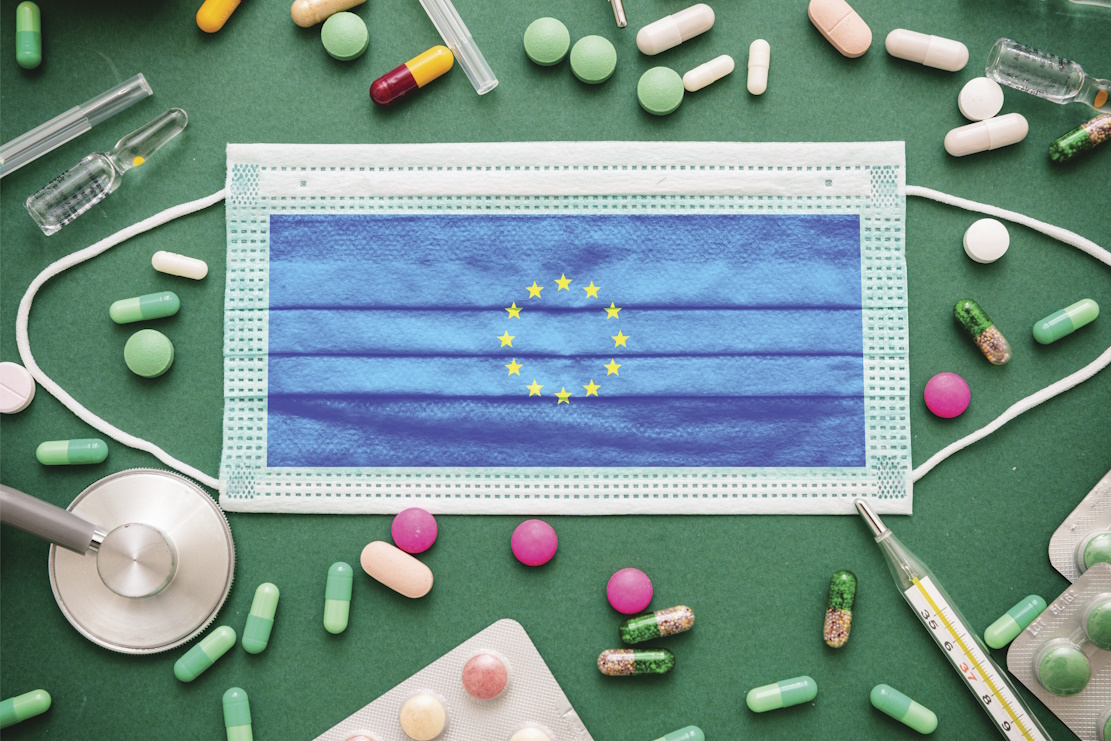
© alexkich/Shutterstock.com
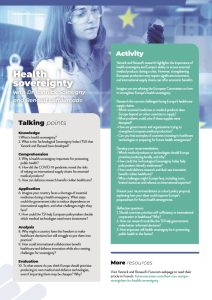
 Talk like an …health sovereignty researcher
Chemical, biological, radiological and nuclear (CBRN) threats – potential attacks from hazardous chemicals, disease-causing organisms, radioactive contamination or nuclear war
Health sovereignty – the ability of a country to make independent decisions about public health and access the resources needed to protect people’s health
Medical countermeasures – products or treatments used to prevent or manage the effects of serious health threats
Open-source intelligence – information gathered and analysed from publicly available sources to produce useful intelligence for decision-making
Supply chain – the network of people, organisations and processes involved in making and delivering a product
Technological Sovereignty Index (TSI) – a tool designed to assess how much control a government has over the technologies it relies on
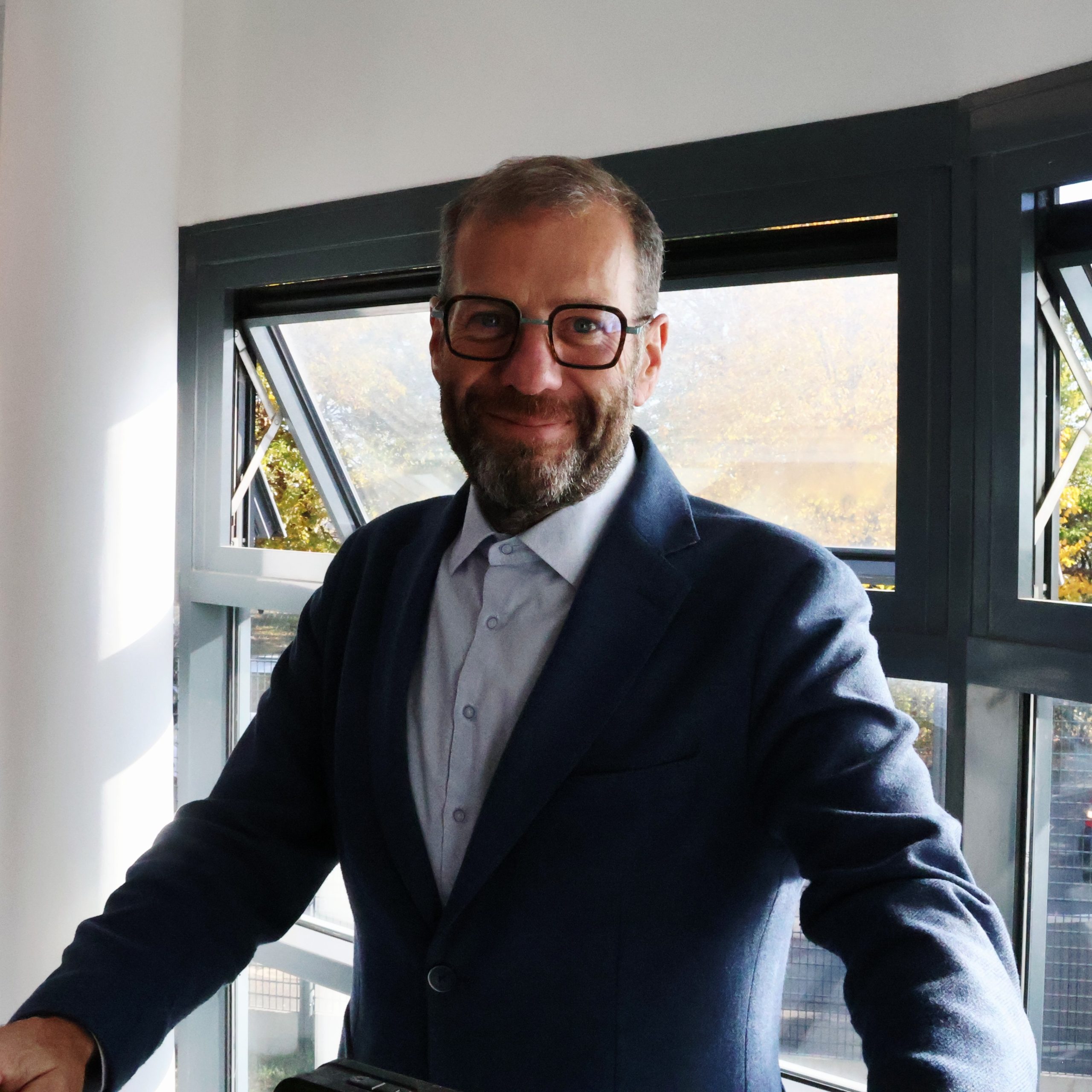
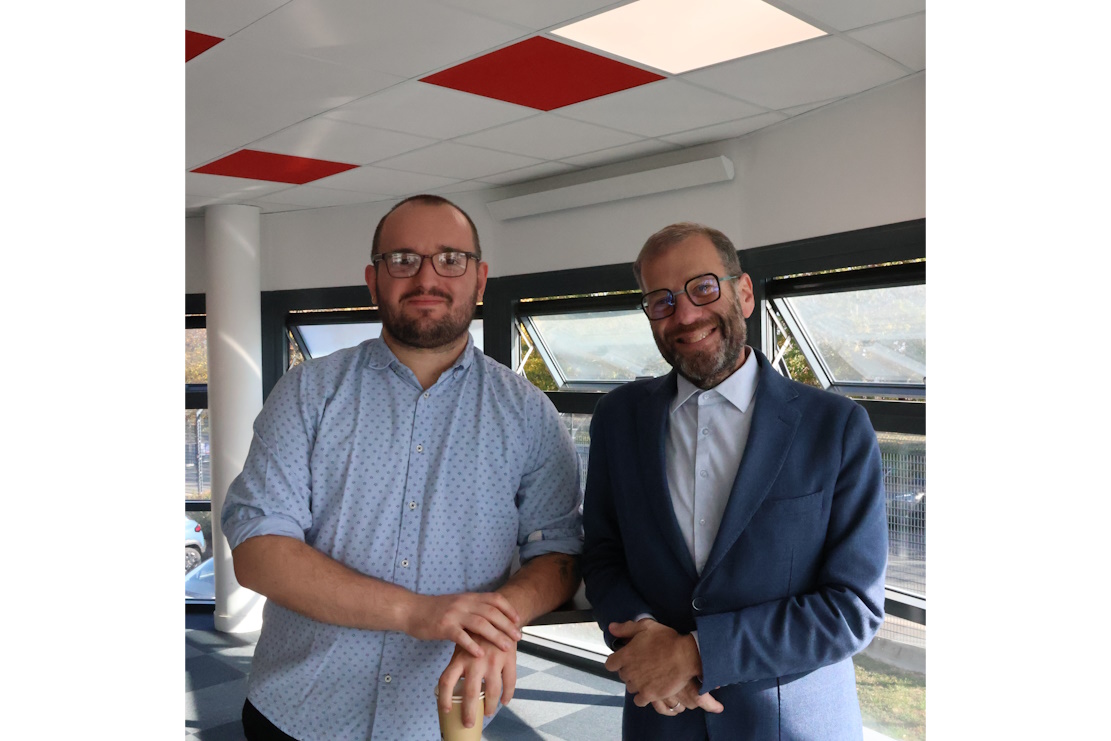
Dr Yannick Saintigny
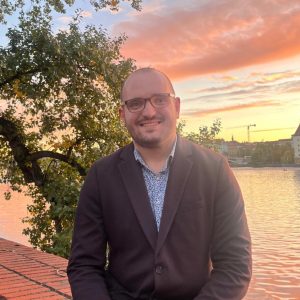
Renaud Laffourcade
Institut de Biologie François Jacob, CEA, France
Fields of research: Health policy; health innovation; defence
Research project: Developing the Technological Sovereignty Index to explore European health sovereignty for defence innovations
Funders: European Defence Fund; EU4Health
DOI: doi.org/10.33424/FUTURUM749
Sovereignty is the ability of a country to make its own decisions without being constrained by others. In healthcare, this means having the capacity to protect public health while making decisions that reflect the needs and values of its population.
“At the European level, sovereignty is mainly a political concept more than a juridical one,” explain Dr Yannick Saintigny and Renaud Laffourcade, health policy researchers at the Institut de Biologie François Jacob at CEA in France. “European health sovereignty is the ability to define the standards and practices to be implemented in Europe to ensure the continent’s public health security.”
This means more than simply having access to medicines and medical equipment. It also means being able to establish the rules, maintain the resources and develop the technologies needed to respond to health emergencies, while ensuring that decisions are made in line with Europe’s democratic values.
Learning from the COVID-19 pandemic
The COVID-19 pandemic highlighted the risks of relying on international supply chains for essential healthcare products. Over recent decades, many European countries have specialised in producing high-value goods while relying on other parts of the world for cheaper products, including medical facemasks and generic medicines. When demand for these increased during the pandemic, shortages revealed the consequences of this dependence.
“The absence of personal protective equipment (PPE) and medicines illustrates the strong link between maintaining local production of health technologies and the ability of governments to make decisions without suffering from external dependence or a lack of resources to implement those decisions,” explains Yannick.
In other words, a country may have the political freedom to decide how to respond to a health crisis, but putting those decisions into practice becomes much harder if it cannot obtain the necessary supplies. Strengthening health sovereignty therefore involves considering not only which products Europe needs, but also where and how they are developed and manufactured.
Recent geopolitical tensions have made these questions even more pressing. In response, the European Commission has proposed two calls for research and development under the European Defence Fund, focusing on medical countermeasures against chemical, biological, radiological and nuclear (CBRN) threats. These threats require specialised preparations and medical responses, making research into defence-related healthcare an important part of Europe’s wider health security.
What can defence research teach us?
Healthcare innovation for defence focuses on protecting the health of armed forces personnel. This includes preventing and treating injuries and illnesses at the frontline of war zones, as well as providing medical support in the challenging conditions of military operations.
“This work is defined by the purpose that guides the research and by the operational requirements that the solutions must meet,” says Renaud. For example, a medical solution designed for use during a military operation must work under the specific conditions in which it will be needed.
Although the initial aim may be to meet military needs, the results can also benefit the wider population. This is known as dual-use innovation – research developed for one purpose can also be useful in another setting, including civilian healthcare. Understanding these connections can help policymakers decide which technologies Europe should develop, where investment is needed and how to prepare for future health emergencies.
Measuring technological sovereignty
To help answer these questions, Yannick and Renaud have developed the Technological Sovereignty Index (TSI). This is a tool that aims to turn the broad political and legal concept of sovereignty into something that can be assessed using concrete indicators.
Globalisation has made technological development increasingly international, with products often relying on expertise, components and manufacturing processes from several different countries. While this collaboration can bring benefits, it can also make it difficult for governments to understand how much control they have over the technologies they depend on. “The TSI is an index that, based on a set of concrete indicators distributed throughout the development cycle of a technology, makes it possible to determine the extent to which a government has control over its governance,” explains Yannick.
To develop the TSI, Yannick and Renaud reviewed academic literature published in international peer-reviewed journals and analysed publicly available information through open-source intelligence. They also drew on the experience of a European working group on medical countermeasures against CBRN threats, which they lead. “This group, comprising European civilian and military professionals, facilitates discussion and reflection,” says Renaud.
From research to policy
Developing the TSI is only part of the process. For research to make a difference, its findings must also reach the people responsible for making decisions. So, supported by the European Defence Fund, Yannick and Renaud regularly share their work with officials in relevant European Commission departments. They have also organised an event in Brussels for European policymakers in collaboration with the Institut Pasteur, INSERM, IRSEM Europe and the French Nuclear Safety and Radiation Protection Authority.
“This process of reflection will continue, and specific points will likely be explored in greater depth,” explains Yannick. Through their work, he and Renaud hope to help Europe make better-informed decisions about the technologies it needs and the resources required to maintain control over them.
About health policies for defence purposes
Health policy for defence looks at how countries and research organisations work together to protect the health of armed forces personnel and prepare for health threats. It also involves understanding how research is funded, how policies are developed and how different organisations can collaborate.
“Our work is framed by a European project,” explains Yannick. One of their main tasks is to build a network of organisations working in biomedical research across Europe. This involves meeting other stakeholders, identifying topics of common interest and finding funding to help turn collaborative projects into reality.
Researchers in the field also study national and European policies to develop guidelines that make collaboration on defence-related health research easier. However, finding the information they need is not always straightforward. “It’s often painstaking work, since defence-related matters call for discretion,” says Renaud. “Tracking down defence-related policies to analyse them can be difficult.” With limited public information available, researchers must piece together information from different sources and understand how the interests of different organisations influence their work.
These challenges are likely to continue for the next generation of researchers. “The European Union’s role in research governance has yet to be firmly established,” explains Yannick. Although European countries collaborate on research, defence remains the responsibility of individual member states. Understanding how countries and research institutions work together, and sometimes compete, will remain an important part of developing health policies for defence purposes.
Pathway from school to health policies for defence purposes
At school, studying subjects such as history, economics and philosophy will help you explore how societies make decisions, manage resources and approach questions of security and public health.
At university, courses in health policy, political science, economics, history or international relations can provide useful perspectives on how healthcare systems, research and defence policies are developed.
The field brings together several disciplines, so there is no single route into it. “Health policies for defence purposes is a niche common to the fields of health policy, research policy and defence policy,” explains Yannick. “There are many topics worth exploring, such as using philosophy to examine issues of shared sovereignty, economics to understand the impacts of threats against pharmaceutical industries and history to examine the evolution of military medicine.”
Explore careers in health policies for defence purposes
Careers in this field can span health policy, research management, defence, public health and international cooperation.
The NATO Science and Technology Organization (sto.nato.int), EU Defence Industry (defence-industry-space.ec.europa.eu/eu-defence-industry_en) and EU Health Policy (health.ec.europa. eu/eu-health-policy_en) provide insights into research funding, health policy and collaboration between science and defence organisations.
Meet Yannick
 My grandfather, grandmother and father were all medical doctors, and my mother is a midwife. They all inspired me to work in the field of health. As a teenager, I was interested in medicine and science, and these have always been my preferred research topics.
Scientific curiosity is a quality that has helped me to be successful in my work, as well as a passion for how the law is made and its importance in our daily lives. It is important to be convinced that the benefits of one’s work are not specifically for oneself but for society as a whole.
I have been fortunate enough to be involved in scientific discoveries, both in basic biology and in the improvement of therapeutic management protocols. I am also fortunate to be contributing to the development of the European research and production ecosystem for medical countermeasures against chemical, biological, radiological and nuclear threats.
Patience and learning are key to overcoming obstacles. You have to keep learning and developing your skills.
When I’m not working, I enjoy modern art, cultural visits and walks in the countryside. I’m also an amateur beekeeper, as a way of doing my bit to help preserve biodiversity.
Yannick’s top tips
1. Always try to learn about and understand the world and the people who live in it.
2. Never lose hope, and find happiness in connecting with others.
Meet Renaud
When I was younger, EU and international policy caught my interest, and this shaped my journey to studying European health sovereignty. My latest career development has brought me to a life sciences institute, where there is a strong connection between health policy, defence and public affairs.
A complex mix of curiosity, persistence, goodwill, active listening and luck have enabled me to succeed in the field of health policy for defence purposes. I am excited to see where my career takes me next – it’s only the beginning!
Patience helps a lot when I face obstacles in my work. And building strong relationships with many different stakeholders helps me gain a better understanding of the sticking points.
In my free time, I go to the gym, play video games and take part in a bit of European activism.
Renaud’s top tip
Pursue studies that interest you without worrying too much about what job you’ll do in the future. If you keep at it and make connections, doors will open for you.
Do you have a question for Yannick or Renaud?
Write it in the comments box below and he will get back to you. (Remember, researchers are very busy people, so you may have to wait a few days.)
Related article

Discover how mathematicians are assessing the resilience of global supply chains:
0 Comments