
Regenerating Africa to address the gendered impacts of climate change
Climate change is having devastating impacts on health in many African nations, with women and girls hit hardest of all. Nakuya Niona Kasekende, Programme Manager at Regenerate Africa, explains why this is the case, how a regenerative economy could address these challenges and how the organisation is promoting regenerative approaches.
© Vic Josh/Shutterstock.com
Why was Regenerate Africa founded?
Regenerate Africa is a non-government organisation founded in 2022. Our mission is to support increased adoption of regenerative human development approaches across Africa by cultivating initiatives and innovations in production landscapes and supply chains that lead to healthier people, environment, climate and communities.
What is a regenerative economy?
A regenerative economy is one that gives back more than it takes. Most of the world runs on a ‘take – make – waste’ economy, where we pull resources out of the Earth, use them once then throw them away, which pollutes the planet. Some people promote a circular economy which is based on reusing and recycling. But a regenerative economy goes even further. It actively restores and renews natural systems by rebuilding healthy soil, replanting forests and cleaning up water. At the same time, it creates fair, secure and sustainable livelihoods for people.
This matters because, according to the Global Footprint Network’s Earth Overshoot Day analysis, humanity is currently using nature about 80% faster than the Earth’s ecosystems can regenerate. This means we are using the equivalent of 1.8 Earths. We simply cannot keep ‘sustaining’ what’s left; we have to regenerate it.
How does a regenerative economy benefit communities?
For African communities, the benefits are very practical. Regenerative farming improves soil fertility, boosts harvests and cuts the cost of chemical fertilisers – which means more food and income for families. It also builds resilience so that when droughts or floods hit, communities can recover faster. And because women make up a large share of Africa’s farmers, a regenerative economy that genuinely includes them can improve health, education and economic power for whole families. The result is healthier people, a healthier planet, and stronger and more self-reliant communities.
How is climate change impacting health?
Climate change is one of the greatest threats to public health in sub-Saharan Africa. According to the World Health Organization, climate change is expected to cause 250,000 additional deaths every year between 2030 and 2050 from just four causes – undernutrition, malaria, diarrhoea and heat stress. Because health systems across much of Africa are underfunded and overstretched, these impacts hit especially hard.
Warmer, wetter conditions expand the range of disease-carrying mosquitoes. Our research found that in Uganda’s highlands, malaria infections rose from 3% in 2010 to 12% in 2020 as temperatures and rainfall increased. Floods and droughts wreck harvests and contaminate water supplies, causing malnutrition and waterborne diseases. Poor air quality and dust storms cause asthma, heart disease and chronic lung conditions. And as people and wild animals come into closer contact, the risk of ‘zoonotic’ outbreaks (diseases that are transmitted from animals to people, such as Ebola) rises.
There is also a hidden mental health burden. Families which lose homes, livelihoods or loved ones to climate-related disasters face higher rates of depression, anxiety and trauma – yet mental health services remain among the weakest parts of our health systems.
How and why does climate change impact women and men differently?
Climate change is not ‘gender neutral’ – it usually hits women and girls hardest. Across Africa, women and girls are generally responsible for securing water, food and firewood for their households. When droughts and floods make these resources scarce, women and girls must work longer to find them – reducing the time they have to learn, earn or simply rest.
Walking longer distances to find water or firewood increases their risk of gender-based violence. Water scarcity affects menstrual hygiene. When money runs short, girls are the first to be pulled out of school. And families under climate stress are more likely to resort to child marriage so they have fewer mouths to feed or because the bride price will ease their financial pressure. One woman told us, “When men cannot be the breadwinners they are expected to be, they become stressed. And that stress comes home.” This sums up how climate shock to a family’s income can end in violence within the home.
But women are also powerful leaders in climate solutions – adopting new farming methods, responding first in emergencies, and making key decisions about energy and resources. Any real answer to the climate crisis depends on their full participation and leadership.
How could a regenerative economy help to combat the climate, health and gender challenges faced by many African nations?
A regenerative economy is powerful precisely because it treats climate, health and gender as connected, not separate. What our research keeps showing is that you cannot separate a woman’s health from her food security, safety or energy access, or the road that connects her to a clinic. These are not parallel issues – they are the same issue, wearing different faces on different days of the same climate shock.
A regenerative approach tackles them together. It restores the land and water that communities depend on, which improves food security and nutrition and reduces the desperate coping strategies that harm girls. Our research found that although most African climate policies recognise these challenges, only one in five include dedicated budgets to fund gender-responsive action – acknowledgement without finance is not protection.
A regenerative economy builds climate-resilient health systems and connects government ministries of health, environment, gender and finance to ensure money reaches communities on the front line. It also champions women’s leadership, land rights and access to finance, because secure, empowered women build more resilient communities.
What projects is Regenerate Africa involved in?
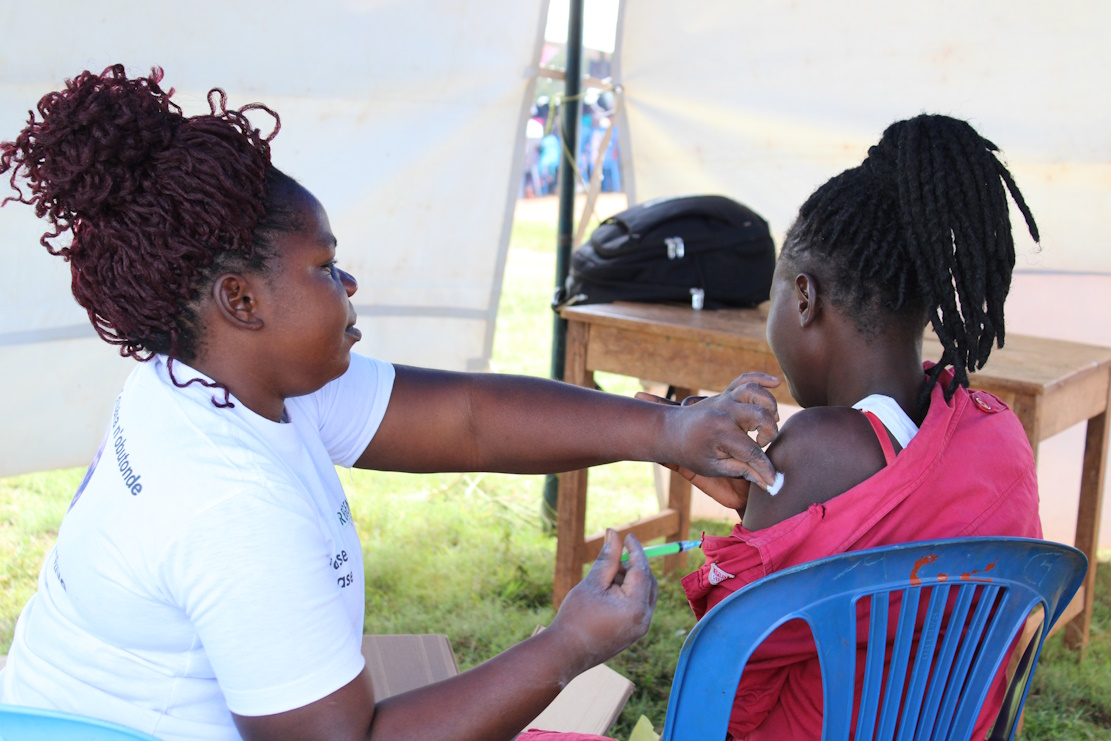
Our work is rooted in real communities, and that is exactly where our evidence comes from. For example, in Buikwe District in Uganda, we carried out a major study to understand how climate change affects women’s health and rights. During focus groups and interviews with community members, we learnt how floods that destroyed the Buikwe health centre cut pregnant women off from care and how food shortages pushed families towards child marriage.
We also run hands-on demonstration sites. For example, we run a model regenerative farm in Buikwe District where we practise regenerative grazing with a herd of 200 cattle, agroforestry and soil restoration. This work has inspired over 500 smallholder farmers to adopt these practices. By combining community-based research with practical demonstration farms, we generate the real-world evidence that proves the links between gender, health, climate and a regenerative economy – evidence we then carry into the rooms where policy is made.
How do you translate the results of your work into evidence-based policy advocacy?
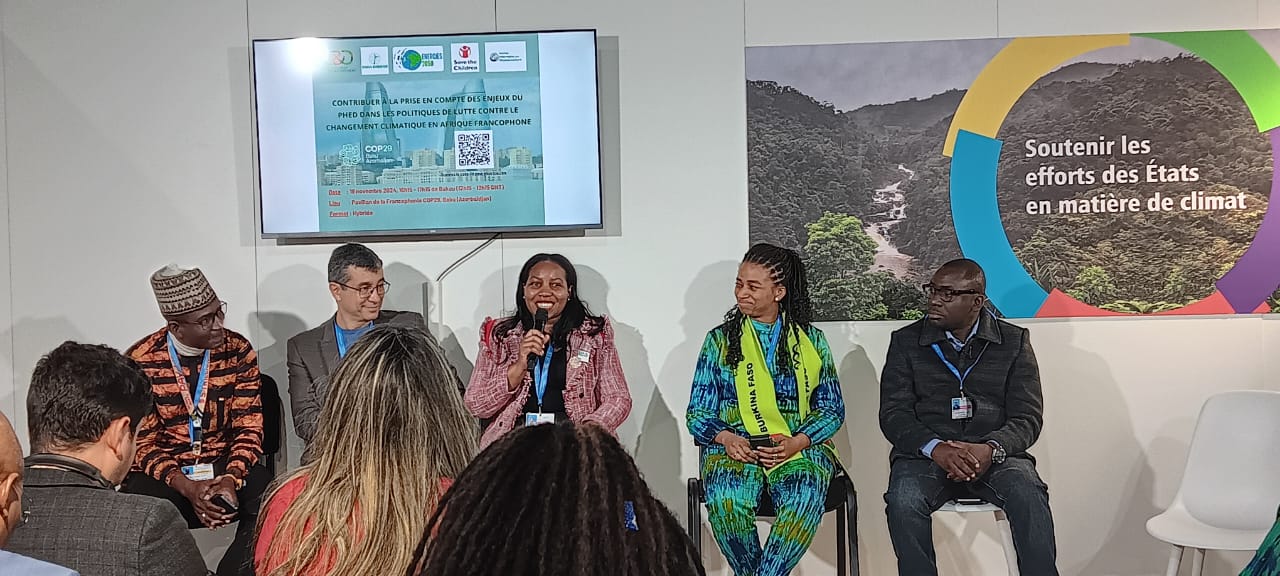
Our model is ‘from the community to the ministries’. We gather evidence from our community projects, publish our research in peer-reviewed journals and policy briefs, then use it to shape national and international policies.
Thanks to our work, Uganda is now one of the very few African countries whose Health National Adaptation Plan explicitly integrates sexual and reproductive health by connecting it with gender equality and climate adaptation and highlighting that climate resilience requires family planning and maternal health. Our policy briefs have also supported African countries’ climate-health resilience journeys. Our advocacy pushes for these efforts to be explicitly built into national climate policy and financing so that reproductive health – so often left out – is protected during climate shocks.
What are your hopes for the future of Regenerate Africa?
My hope is that we reach a point where no woman’s health, safety or future is put at risk simply because of where she lives or because of a changing climate. Building on the progress we have helped drive in Uganda, I would love to see health, gender, and sexual and reproductive health fully embedded (with real budgets, not just words) into the national climate plans of many more African countries. I hope we can scale up our grassroots evidence-generation so that community voices, like those of the women of Buikwe, are heard in the rooms where climate finance decisions are made.
Meet Niona
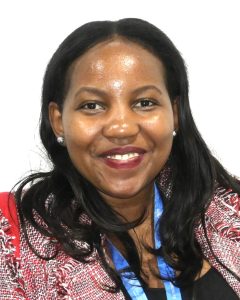 As a teenager, I wanted to be a doctor or surgeon. I was drawn to the idea of helping people and understanding how the human body works. That path eventually led me to study demography and sexual and reproductive health at university – rooted in my early interest in health and science but now thinking about people’s well-being at a population level, rather than one patient at a time.
Spending time with community members has taught me that the challenges they face are rarely just about health – they are tangled up with the environment, access to resources, gender and poverty. What started as a teenage dream of treating patients became a career built on addressing the much broader web of factors (including health, gender and climate change) that determine whether communities can thrive.
I’ve seen first-hand how closely a family’s health and safety are tied to the health of the land and water around them. When a drought wrecks a harvest or a flood destroys a health centre, it isn’t just an environmental event – it’s a health crisis and a protection crisis for women and girls, all at once. A regenerative economy speaks to all of that together – it restores the ecosystems people depend on while building fairer, more resilient livelihoods. I’m passionate about regenerative economy because it isn’t an abstract idea – it’s a practical pathway to healthier people, healthier environments and stronger communities.
My message to young people is to stay curious. Go and listen to the communities living through these challenges every day, and don’t underestimate how much a single piece of evidence can shift a national policy. The world needs scientists and social scientists who are willing to connect the dots and to keep asking ‘why’ until they find where the real solutions are.
Connect with
Regenerate Africa
 facebook.com/profile.php?id=100083063934303


Do you have a question for Niona?
Write it in the comments box below and they will get back to you. (Remember, researchers are very busy people, so you may have to wait a few days.)
Related article
Discover how an international, interdisciplinary team is encouraging women farmers in Nigeria to adopt conservation agriculture practices to strengthen their climate resilience:
futurumcareers.com/how-can-conservation-agriculture-improve-the-climate-resilience-of-women-farmers
0 Comments