
Healthy hearts = healthy brains? How protecting your blood vessels could prevent dementia
Your heart and your brain are organs with very different functions, but they are deeply connected. Dr Timothy Hughes, Associate Professor at Wake Forest University School of Medicine in the US, is a neurovascular epidemiologist investigating how diseases that affect our blood vessels, like high blood pressure and diabetes, may also contribute to Alzheimer’s disease and related dementias. Through the MESA-MIND study, Tim and his team are investigating how keeping our blood vessels healthy could help prevent cognitive decline and dementia as we age.
Talk like a neurovascular epidemiologist
Atheroma — a fatty deposit that builds up inside arteries, restricting blood flow and increasing the risk of cardiovascular disease
Alzheimer’s disease — a progressive age-related brain disorder that causes cognitive decline
Amyloid deposits — clumps of protein that accumulate in the brain
Arterial stiffness — the loss of flexibility in arteries that occurs with ageing or disease, making it harder for blood to flow smoothly
Cardiovascular disease — a group of conditions affecting the heart and blood vessels, reducing or blocking blood flow to the heart, brain, or other organs, causing heart attacks and strokes
Cognition — the mental processes involved in thinking, learning, remembering, and decision-making
Dementia — a general term for conditions that affect memory, thinking, and social abilities severely enough to interfere with daily life
Neurovascular epidemiology — the study of how chronic diseases of the heart and blood vessels spread to the brain in populations, and how they can be controlled
Plasma proteomics — the large-scale study of proteins in blood plasma to understand biological processes and disease mechanisms
Around 57 million people worldwide live with dementia, and almost 10 million new cases are diagnosed each year – a number that continues to rise as populations age. Most people who get dementia have a combination of Alzheimer’s disease (with abnormal protein deposits in the brain) and vascular disease in the brain. Scientists have long known that what is good for the heart is also good for the brain but exactly how the health of these two vital organs is linked has not been well-understood.
One step towards understanding this connection was the Multi-Ethnic Study of Atherosclerosis (MESA), launched in 2000. This large-scale study followed thousands of participants from six US cities, examining how early, often invisible, changes in the heart and blood vessels (such as plaque build-up, arterial stiffening and high blood pressure) develop over time and lead to cardiovascular diseases.
“MESA has taught us what risk factors contribute to cardiovascular disease,” says Dr. Timothy Hughes at Wake Forest University School of Medicine. “These include our genetics, the environment and neighbourhoods we live in, our diets, and the changes in our bodies as we age.” Over the past 25 years, MESA has published nearly 3,000 scientific papers and developed risk calculators now used by doctors around the world. And now, MESA’s findings are paving the way for new research into how heart health is linked to brain health.
MESA-MIND: studying the link between heart and brain health
Building on MESA’s success, Tim now leads the MESA-MIND project, which explores how diseases that affect the blood vessels – such as high blood pressure and diabetes – contribute to Alzheimer’s disease and related dementias. These conditions are the two most important modifiable risk factors for dementia later in life, meaning that if we can control them in mid-life, we may be able to reduce the chances of developing memory loss as we age. However, scientists still know surprisingly little about which problems in the heart and blood vessels can damage the brain.
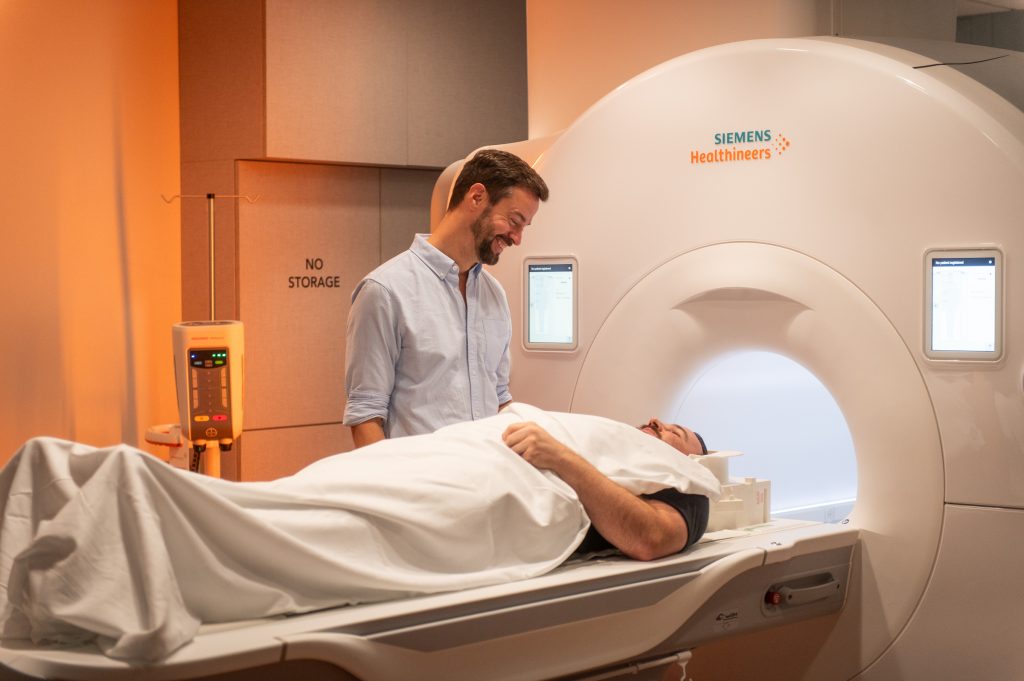
MESA-MIND connects detailed cardiovascular data with information about brain structure, function, and cognition. “The brain imageing and blood tests used in this work are critically important to achieving our goals and require teams of epidemiologists, radiologists, neuroscientists, and data specialists working together,” explains Tim. The study combines magnetic resonance imageing (MRI) scans, which show vascular and tissue changes and shrinkage in the brain, with positron emission tomography (PET) scans, which highlight amyloid deposits – the protein clumps that lead to Alzheimer’s disease. Analysed with AI, these images have already helped scientists develop new blood tests that can track how dementia-related changes begin and progress long before symptoms appear.
MESA-MIND participants
The study includes older adults who identify as Hispanic, White, Black, or Chinese Americans living in six cities in the US. To ensure that groups often excluded from dementia research are represented, the study conducts cognitive testing in English, Spanish, Mandarin, and Cantonese. “The diversity of the MESA-MIND cohort is central to our mission,” says Tim.
Researchers once thought that Black and Hispanic people might be at higher risk of Alzheimer’s due to genetics or more disease-related brain changes. However, MESA-MIND has helped to show that these groups in the US do not have a greater risk for Alzheimer’s disease. Instead, people who develop dementia in these populations often have more vascular disease in the brain, which interacts with Alzheimer’s-related changes to accelerate cognitive decline. “We need new strategies to stop vascular disease before it impacts brain health in diverse groups of people,” says Tim. “Strategies include: treating vascular diseases before they damage the brain, reducing economic and health disparities, and helping people adopt healthy lifestyles choices.”
Early changes in blood vessels
A key focus of Tim’s research is subclinical vascular disease – early changes in the walls and function of blood vessels that happen long before a person notices any symptoms. Subclinical means these changes can be detected and measured with advanced imageing or tests, even though the person feels healthy.
“Focusing on subclinical vascular disease means we can intervene early to treat and prevent the underlying causes of future disease before it hurts someone,” says Tim. “We hope to detect and treat subclinical vascular disease to prevent the development of problems like stroke and other vascular diseases in the brain long before they cause dementia.”
The team’s discoveries
This work has revealed important links between subclinical vascular disease and dementia. “We are seeing that the development of atheromas – fatty plaques deposited in the arteries of the heart, neck, and brain – don’t appear to contribute directly to Alzheimer’s disease,” explains Tim. “Instead, they increase the risk for cardiovascular diseases, stroke events, and loss of brain volume in the areas damaged by stroke.”
In contrast, controlling blood pressure is one of the most powerful ways to protect the brain. Blood pressure depends on many factors, including how quickly arteries stiffen with age. “My lab focuses much of our research on how arterial stiffness relates to changes in blood flow in the brain, the development of vascular disease in the brain, and even the pathology of Alzheimer’s disease,” says Tim. “We have learned that the faster your arteries stiffen with age, the more likely you are to have dementia-related pathologies building up in the brain, impacting its function and increasing your risk of dementia.” Preventing and treating subclinical vascular diseases before they reach the brain will keep brains healthier as they age.
Next steps in this research
Building on the findings from MESA-MIND, Tim and his team have begun clinical trials to see whether treating early vascular disease can help prevent Alzheimer’s and related dementias. They are testing drugs already known to protect the heart, exploring whether these medications can also protect the brain.
Tim’s lab is also using plasma proteomics – a method that measures hundreds or even thousands of proteins in the blood at once – to discover new molecules that may link vascular disease to dementia. By repeating these measurements over time, the team can track how changes in proteins relate to the development of subclinical vascular disease, brain changes, and Alzheimer’s pathology.
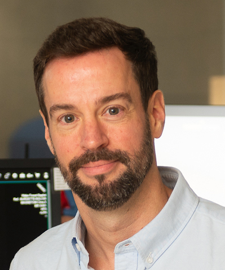 Dr Timothy Hughes
Associate Professor, Department of Internal Medicine, Section of Gerontology and Geriatric Medicine and the Department of Epidemiology and Prevention, Wake Forest University School of Medicine, USA
Fields of research: Neurovascular epidemiology, Alzheimer’s disease and related dementias, Geroscience
Research project: MESA-MIND: Understanding how subclinical vascular disease may increase the risk for Alzheimer’s disease and related dementias
Funder: This work is/was supported by the National Institutes of Health (NIH), under award numbers R01AG054069 and R01AG058969. The contents are solely the responsibility of the authors and do not necessarily represent the official views of NIH.
About neurovascular epidemiology
Neurovascular epidemiology combines neuro- and cardiovascular branches of epidemiologic research that explore how chronic diseases of the heart, blood vessels, and brain develop across populations. Neuroepidemiologists investigate conditions like Alzheimer’s disease and dementia, while cardiovascular epidemiologists study risk factors such as high blood pressure, diabetes, and atherosclerosis (the build-up of fatty deposits in arteries). By combining these two areas, scientists like Tim can better understand how “upstream” heart and blood vessel health influence “downstream” brain structure and function.
Research like Tim’s is very rewarding because it links medicine, data science, and public health to make a real-world impact. “Being an epidemiologist allows me to feed my curiosity and sense of wonder, while enabling us to ask very big questions that may one day soon improve people’s health,” says Tim. “I get to lead teams that find the right questions, design the best studies, and analyse and interpret novel and unique data that no one has ever seen before.” Studying large groups of people as they age provides the chance to better understand the causes of disease and identify interventions that can benefit whole communities – just as past epidemiological research helped establish the health risks of smoking and the importance of vaccines.
Looking ahead, the next generation of neurovascular epidemiologists will enter an era of rapid technological change. “We are now in the era of big data; for each study participant, we can generate terabytes of data at each visit,” explains Tim. “Data science and AI have already begun to transform how we collect, process, and analyse data, but we will always need epidemiologists to guide the design and interpretation of the data.”

Reference
https://doi.org/10.33424/FUTURUM658

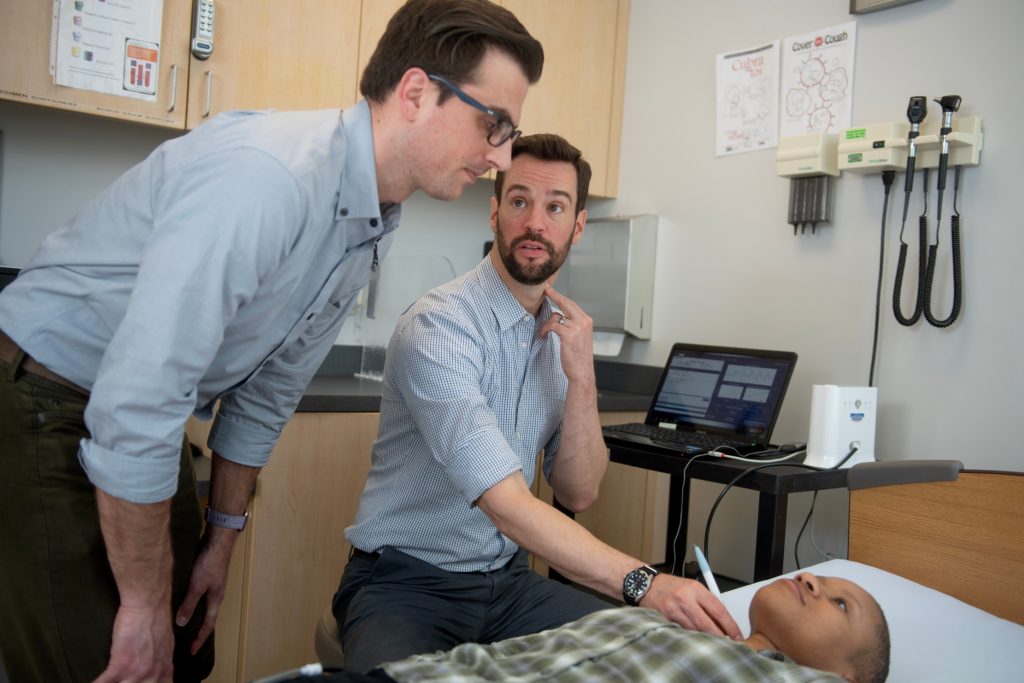
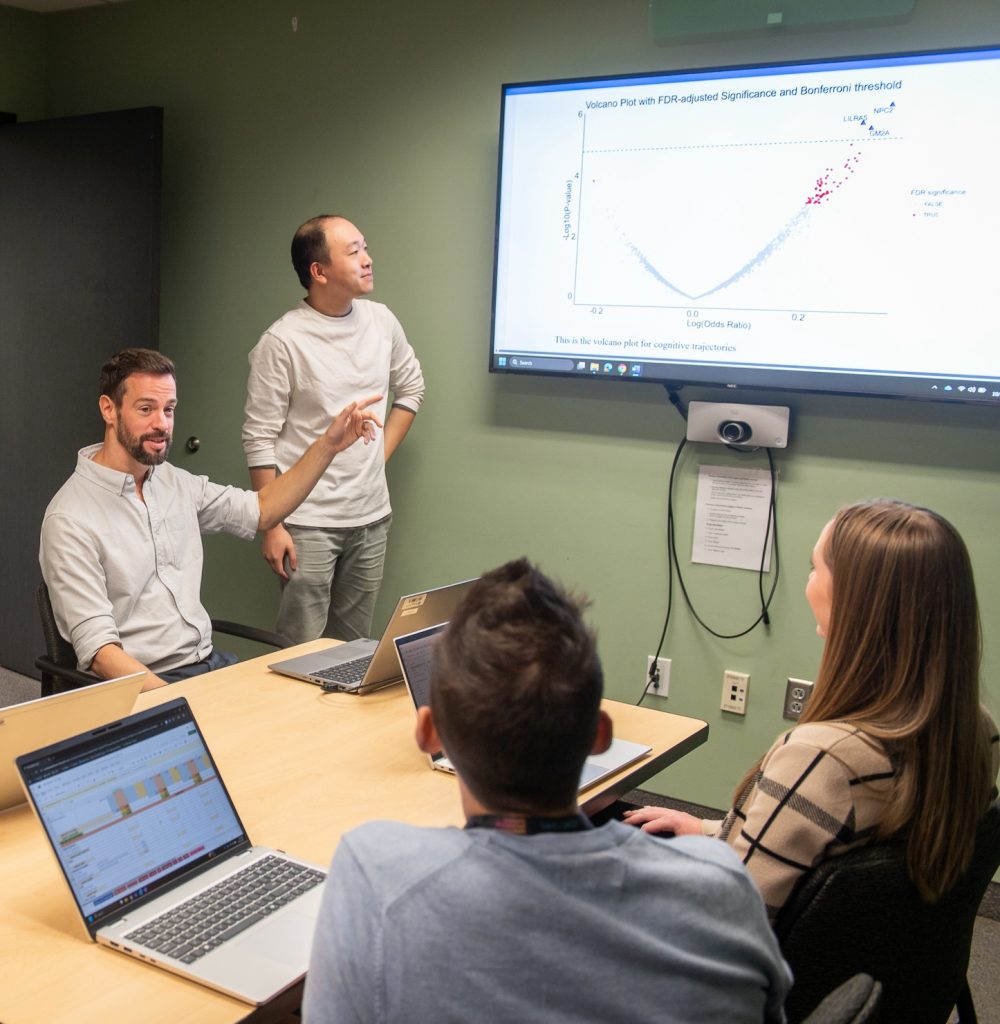
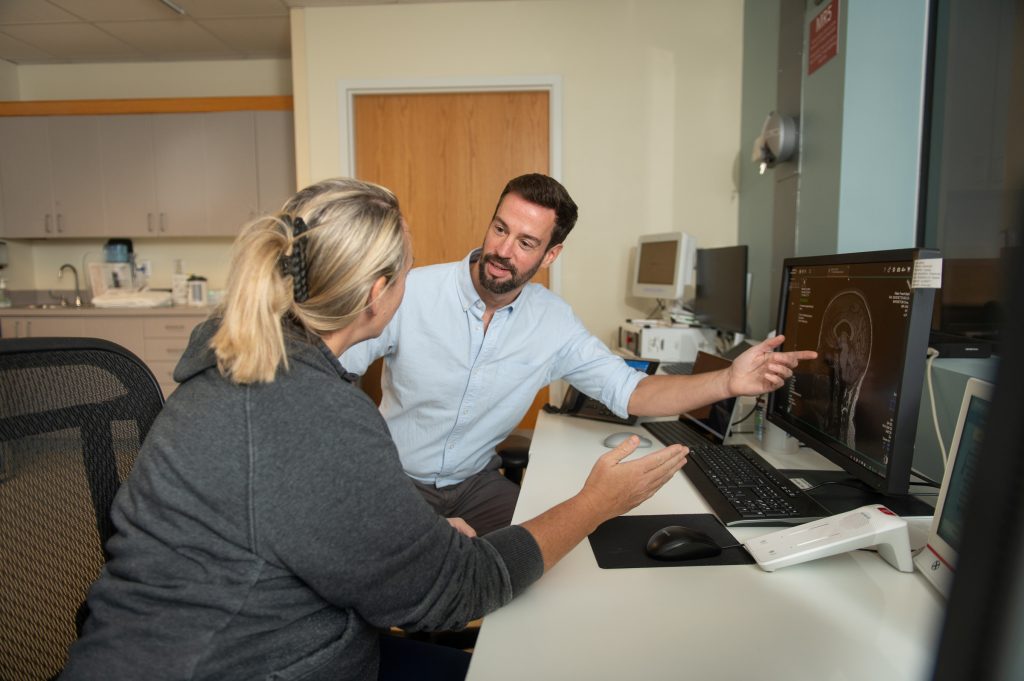
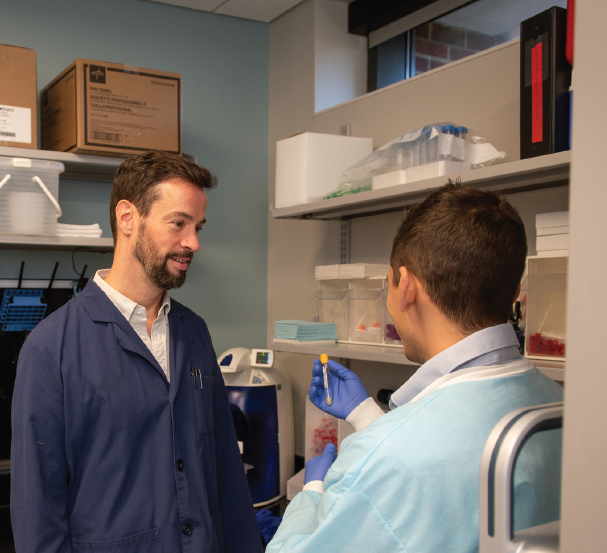
Tim and colleague in the laboratory.
All images © Wake Forest University School of Medicine



This educational material has been produced by Wake Forest University School of Medicine in partnership with Futurum and with grant support from The Duke Endowment. The Duke Endowment is a private foundation that strengthens communities in North Carolina and South Carolina by nurturing children, promoting health, educating minds and enriching spirits.

Let us know what you think of this educational and career resource. To provide input, simply scan the QR code or click here.
Pathway from school to neurovascular epidemiology
In high school, subjects like mathematics, biology, and physics build the foundation for understanding how the body works and how to analyse data – essential skills for studying disease patterns. “Our bodies are wonderous, complex, walking, talking miracles,” says Tim. “We can use the intersection of math, science, and biology (through epidemiology) to study how and why we get almost any disease.”
At college, a degree in biology, public health, biomedical sciences, statistics, or data science offers a route into epidemiological research.
Tim highlights that it is important to remember that your pathway from school to your chosen career may not be obvious to you straightaway, but it is a challenge you should embrace. “You may be surprised to learn that I struggled a bit late in high school and early in college and didn’t always see the direct relevance of some of the subjects I took,” he explains. “This turned around when I began to see these topics as challenges to learning-how-to-learn and to master. I still use that skill every day of my professional career.”
Explore careers in mitochondrial biology
“Epidemiologists are involved in every aspect of human health research,” says Tim. “For cardiovascular epidemiology, the best resources are the American Heart Association, the Lancet Commissions, and the World Health Organization.”
“For Alzheimer’s disease, the Alzheimer’s Association leads international effort to prevent, treat, and support the disease,” says Tim.
Meet Tim
I have always been curious about the world. I’ve always wanted to know more about our bodies and our place in this world. As a youngster, I loved to draw and thought that I would be an artist or a doctor. Science and meditation had a huge impact on my sense of how the mind works, causality, and wonder of this world. Sports taught me about how to work in teams and the amazing potential of the body. Sickness and death taught me about the impermanence of our bodies and life. Topics like Geroscience help us find ways to stay healthier longer and prevent age-related diseases.
I initially thought epidemiologists only tracked down and stopped infectious diseases. My first courses in epidemiology showed me that we can also track down the causes of chronic diseases and learn how to prevent them. My first job after my master’s degree was with the US National Institutes of Health. This work inspired me to find out why high blood pressure increases the risk for brain ageing and dementia. During this time, I fell in love with the brain. Its beauty, its mystery, and its resilience. This experience continues to inspire my work today.
I am lucky to say I have many career achievements I am proud of, but I will give you my top three right now! The first would be the pleasure of building new teams and research studies and watching them succeed. Second, it is hard to put into words the joy and excitement I get from turning a simple observation into a new project, and seeing this progress all the way to a clinical trial aimed at preventing disease. This is where science can become medicine for tomorrow. Third, but not least, is my opportunity to encourage scientific exploration in my children, trainees, and mentees. Watching them develop gives me hope for the future.
Right now, my greatest aim for the future is to help support researchers dedicated to developing new treatments and prevention strategies for the vascular contributions to Alzheimer’s disease and related dementias. MESA-MIND is just one of the studies where I accomplish these goals. The joy of my work is the range of projects I get to work on; there is so much we can do in this space to help older adults prevent dementia.
Tim’s top tips
1. Follow your curiosity wherever it leads.
2. Don’t be afraid to try and fail. You will often learn more from failing than from success.
3. As American physicist Richard Feynman said, “Fall in love with some activity and do it!” Forging ahead with it will deepen your life and make it more beautiful.
4. Teachers and mentors are critical to your growth, no matter what you choose to do. I have always tried to create a large group of mentors around me. Don’t be afraid to ask someone you admire for advice. They may become one of your greatest mentors.
5. Above all, find your own way to help people. Don’t lose that purpose.
Do you have a question for Tim?
Write it in the comments box below and he will get back to you. (Remember, researchers are very busy people, so you may have to wait a few days.)
Learn about the role of mitochondria in age-related muscle degeneration:
0 Comments