
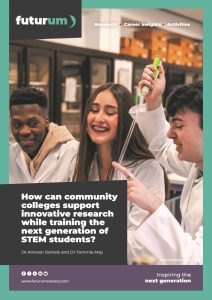
How can community colleges support innovative research while training the next generation of STEM students?
Community colleges in the US train millions of students every year, but their capacity for engaging in research is often overlooked. At Metropolitan Community College, Kansas City in the US, Professor Antwan Daniels and Dr Tammie May are hoping to change this. Using funding from the EPIIC grant, they are building the college’s capacity to manage externally funded research, grow industry partnerships and connect students with STEM professionals and entrepreneurs.
© Krakenimages.com/Shutterstock.com
 Talk like a …STEM educator
Asset mapping – a highly structured, strategic method used to help an institution identify and catalogue their strengths and resources
Community college – a two-year public institution of education that offers affordable undergraduate education and workforce training
STEM – science, technology, engineering and mathematics
In the US, more than 8.5 million students attend community colleges each year – that’s about 40% of all undergraduate students in the country. These colleges provide affordable, local education and help students gain the skills and experiences they need to find jobs or move on to university.
While studying at community college or university, students can take part in scientific research. While universities tend to focus their efforts on producing this research, community colleges prioritise student learning and development. Unfortunately, this framing means that their research capabilities are often overlooked.
At Metropolitan Community College, Kansas City (MCC), Professor Antwan Daniels and Dr Tammie May have secured funding to improve the institution’s ability to produce innovative research, collaborate with industry partners and provide its students with hands-on learning experiences. “The grant we received has a big focus on emerging research institutions,” says Antwan. “Community colleges need to be seen for the value we have in this respect – we need to be seen and valued for our work.”
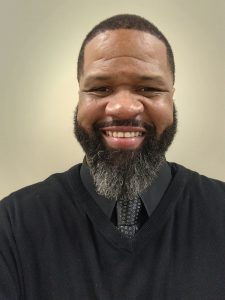
Professor Antwan Daniels
Professor of Chemistry and Education; Principal Investigator

Dr Tammie May
Vice President of Instruction and Student Services; Co-Principal Investigator
Metropolitan Community College, Kansas City, USA
Field of research: STEM education
Funder: US National Science Foundation (NSF) EPIIC grant
DOI: doi.org/10.33424/FUTURUM739
The EPIIC grant
In partnership with Lawrence Technical University and the University of Puerto Rico – Bayamon, MCC has won funding from the US National Science Foundation’s EPIIC grant. This award is designed to help higher education institutions build research capacity and collaborate with industry partners. The three institutions will work together to create new opportunities for staff, students and industry partners to conduct research that benefits local communities and solves real-world challenges.
“Science is collaborative and exists within a world that also includes politics, industry, community, and so many other players,” says Antwan. “We can’t function if we stay in our own silos; we have to collaborate with others if we want our work to have an impact.” The EPIIC grant will help MCC build partnerships that allow staff and their students to pursue research that will make a real difference to local communities and national industries.
“I’m a sociologist by training, and we often talk about human communities as an organism,” says Dr Tammie May, Vice President of Instruction and Student Services at MCC. “This idea holds true for the STEM community as well. We are part of an organism and the whole system has to be communicating and supporting itself in order to work.” Like all organisms, the STEM community is complex and multi-faceted. The first step towards effective collaboration is understanding what all the constituent parts can offer, and how they can combine and support each other.
Asset mapping
Asset mapping is a highly structured, strategic method that an institution can use to shift its mindset from “What do we lack?” to “What do we have to offer?” With this mindset, MCC can form partnerships with other institutions from a position of strength. “The asset mapping process brings people together to think about their place in the wider STEM ecosystem,” explains Antwan.
Using this method, the team at MCC are identifying and cataloguing the strengths within the college. This could be researchers and teachers with niche skills, industry experience or connections to community groups, or physical assets like chemistry labs or event spaces that could be used by local groups and businesses.
At the same time, the team is looking outside of the college to find potential collaborators. These could be local businesses in the STEM sector, community groups looking for research support or entrepreneurs that are using innovative science to solve problems. Creating these partnerships will transform MCC from an isolated educational institution into an active player in the regional economic ecosystem. “The asset mapping process has really allowed us to build relationships at different levels and better understand how we fit into the bigger picture,” says Tammie.
STEMinars
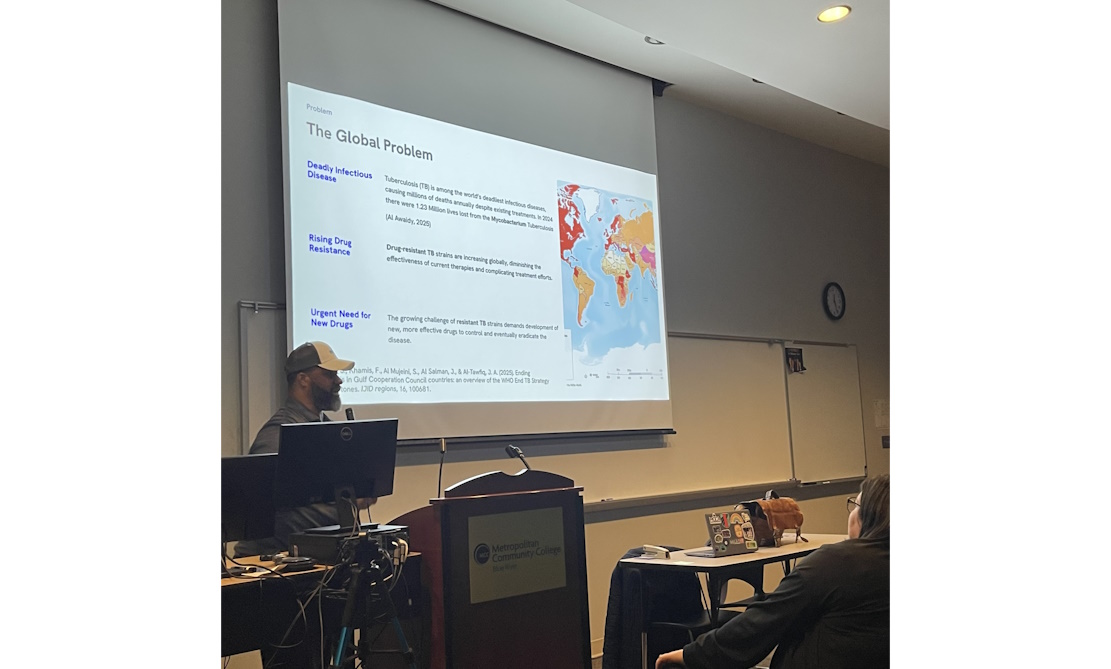
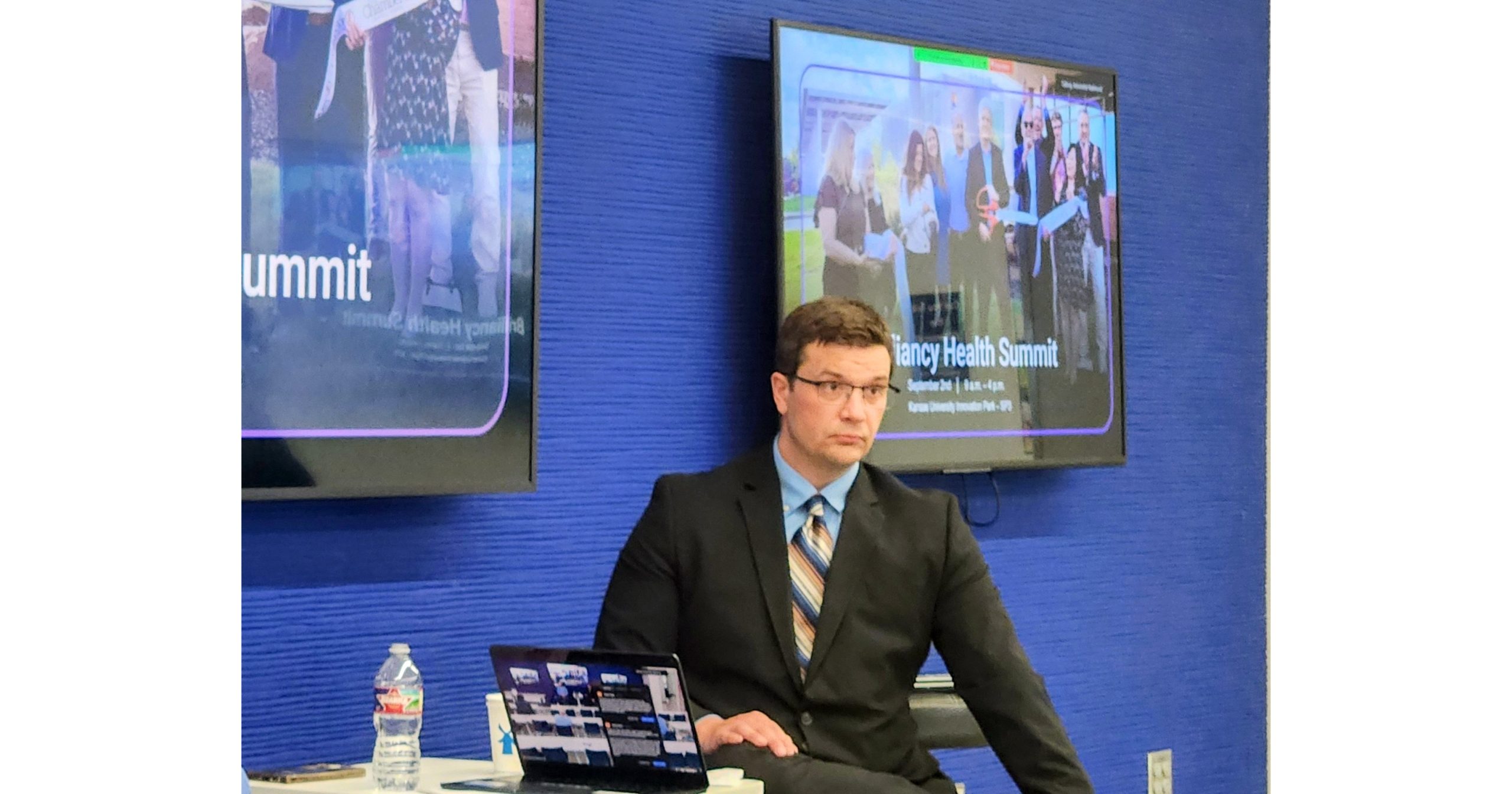
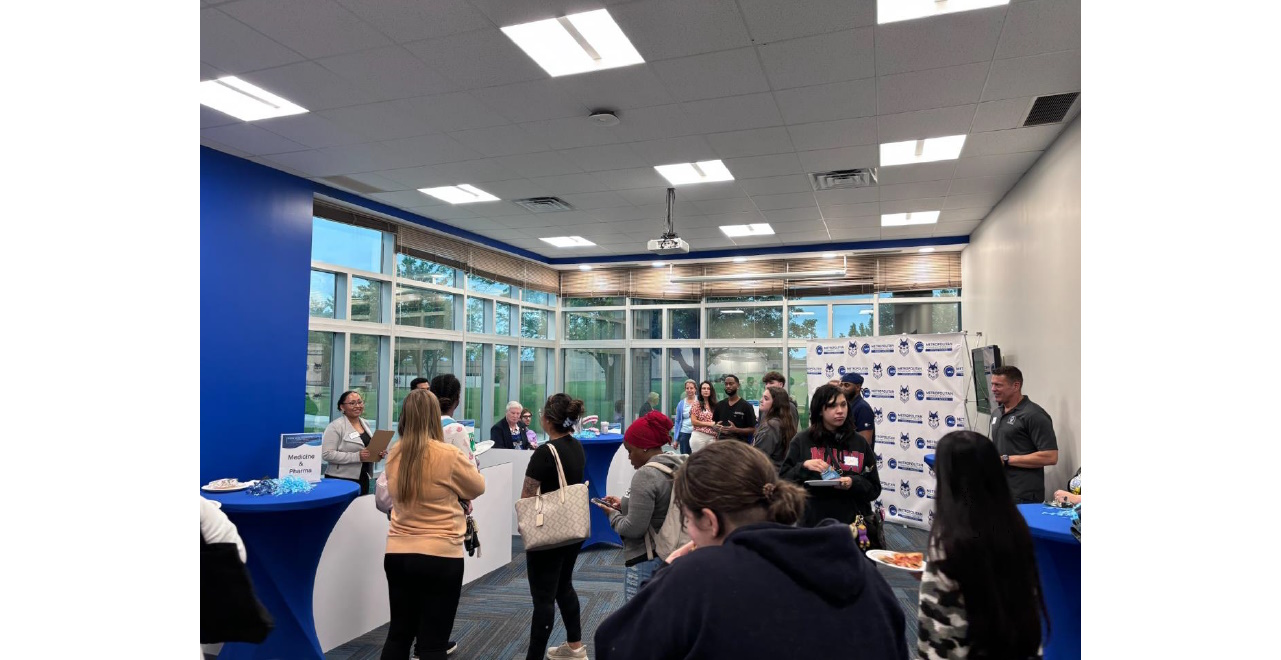
Another way in which the MCC team connect their teaching and research to the outside world is through STEMinars. These interactive events bring students face-to-face with scientists and entrepreneurs from outside of their own institution as they learn about and discuss STEM topics. For example, at a STEMinar in April 2026, Dr Brittany Hufft-Martinez from the University of Kansas Medical Center shared her research on cleft palate formation, while other researchers discussed Lyme disease and tuberculosis.
“Through the STEMinars, we can reach out to external partners and bring new people in to allow our students to explore topics and viewpoints from outside the regular curriculum,” explains Antwan. “I’m a chemist, so I talk about chemistry, but other contributors can talk about issues like cleft palates, Lyme disease and agentic artificial intelligence from different lenses, showing us the different parts of our STEM community.”
For example, Dr Ladrian Brown, a professor of biology, and Joel Shaw, a computer science instructor, take part in the STEMinars and provide students with different ways of thinking about problems. Exposing students to diverse scientific perspectives and cutting-edge research helps them cultivate a true scientific mindset that embraces interdisciplinary collaboration.
The STEM ecosystem
Innovative research doesn’t just rely on collaboration between different scientific disciplines, but also between people with many different skillsets and expertise. “For example, we have an accountant, and we couldn’t do our work without him,” says Antwan. “If we’re out of line with the budget, that could ultimately lead to our funding being cut.”
“I think it’s easy to get caught up in science and think about creating the magic pill or winning the Nobel Prize,” Antwan continues. “But there are a million smaller prizes to be won before the Nobel Prize; a million smaller things need to take place to get to the ‘finish line’.” Behind every scientific breakthrough and every prestigious award is a vast ecosystem of people playing their part. Finding your place within this ecosystem – whether you become a researcher, an entrepreneur or an accountant – will allow you to contribute to innovative research that could change lives.
About STEM
Pursuing a career in STEM will bring you opportunities to explore your interests, solve meaningful problems and work with incredible people. Being able to collaborate with researchers from different fields, entrepreneurs from industry partners and members of the wider STEM community is key to success.
“You have to be able to operate in multiple worlds,” says Antwan. “And that means making the effort to understand them and to be a good listener.” This desire to learn and understand others is an important part of scientific curiosity. “You have to have that child-like desire to question things and say ‘I don’t understand this yet, but I want to know more’,” continues Antwan. “That willingness to learn new things should never stop.”
Tammie emphasises that it’s not just important to understand other researchers and their scientific disciplines, but also to understand how the scientific community works as a whole. “The science community is very complex, and there are many external factors that can affect funding opportunities, from local politics to the global economy,” she says. “These limiting factors exist, but that shouldn’t stop you from dreaming – you just have to learn how to navigate the system and find support for your projects and ideas.”
Getting to grips with this complexity at the start of your career will set you up well to navigate any challenges that you might face. Taking part in events such as STEMinars and getting hands-on experience in research groups is a great place to start. “Experiences like these have changed the trajectory for so many of our students,” says Tammie. “It’s all about building relationships that might lead you into future experiences that you haven’t even thought of yet!”
Pathway from school to STEM
Build a solid foundation in biology, chemistry, physics and mathematics. Spot the topics that excite you and follow your curiosity wherever it leads.
Seek out hands-on opportunities to get experience with research. Join a science club or get in touch with a local research lab.
Look for points of connection between the STEM topics that you study. Science is becoming increasingly interdisciplinary, so being able to bridge the gap between subjects will help you see things from different perspectives.
Take part in one of MCC’s College for Kids programmes, designed to give 8-to-15-year-olds new experiences and teach them important skills: mcckc.edu/continuing-education/college-4-kids.aspx
Explore careers in STEM
Read some other Futurum Careers resources to see the incredible variety of possible STEM careers: futurumcareers.com/articles
Explore the range of STEM courses available at MCC: mcckc.edu/pathways/science-technology-engineering-mathematics.aspx
Use the CareerXplorer platform to find out more about different careers in STEM and the pathways that can lead you to them: careerxplorer.labxchange.org
Meet Antwan
In the early stages of becoming a medicinal chemist, I tried to make a molecule that would reduce a person’s addiction to cocaine. Later, I tried to kill tuberculosis! When you have big dreams, they don’t always work out – but having that passion drives you forward.
I love bringing people together from different mindsets so they can think together, dream together and make great things happen. The only thing I love more than chemistry is people, so I want to bring people together.
As scientists, we don’t go through it, we grow through it. The things that challenge us help us grow and come back stronger. You’ve just got to keep picking yourself back up and getting back in the lab.
Meet Tammie
I enjoy creating opportunities not just for students and staff, but also for our communities.
The key is being persistent. Some people will celebrate you and support your work, but others won’t. Sometimes that is powerful because they push you harder. If this is truly the passion of your heart, you’ll dig deeper and learn more deeply.
Meet Joel Shaw
 Computer Science Instructor
I wanted to take part in the EPIIC grant because of the opportunity to gain different perspectives from colleagues I admire in different fields, and to share perspectives on my own field.
I love working with students, overcoming challenges and thinking about future possibilities.
If you want to work in STEM, give yourself grace and time, and learn to be resilient during your educational journey.
Meet Dr Ladrian Brown
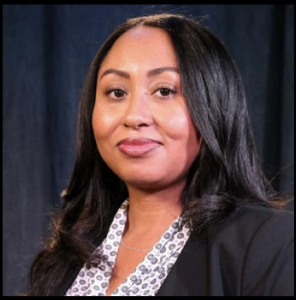 Professor of Biology
One of the most rewarding aspects of teaching is the moment when students connect the concepts they’re learning in the classroom and their own lived experiences. It is gratifying to watch learners develop the knowledge and skills they need to become successful.
It can be difficult to determine which STEM career is the best fit for you. Getting early exposure to a range of different fields is key. When making your decision, try not to limit yourself to traditional fields. Instead, explore other exciting roles that will allow for life-long learning.
Meet Corinthian Evrin
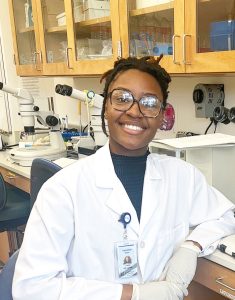 Pupil at MCC
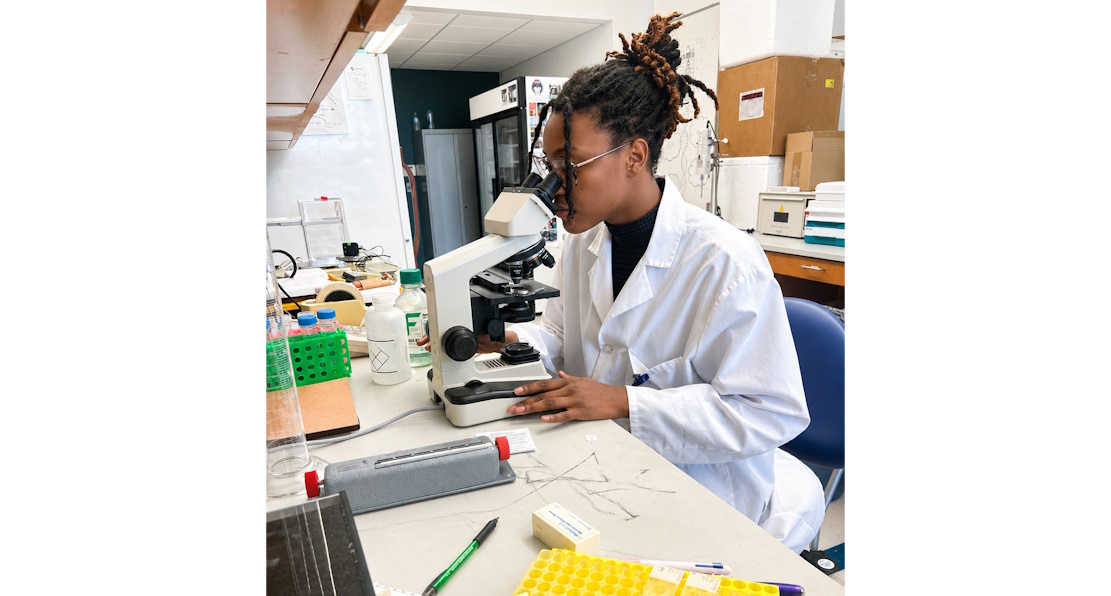
I took part in a summer research initiative at Kansas University Medical Center exploring questions around female fertility and reproduction. I wanted to understand more about the science behind reproductive health rather than only learning about it from a classroom perspective.
I got to see biology in a way that I had never experienced in a classroom. You can learn about cells from a textbook, but seeing them through a microscope makes everything feel more real.
I started to understand that research is curiosity in action. Instead of simply being given a problem with a known answer, I had to think through what I was seeing, consider different possibilities and figure out what questions needed to be asked next.
Do you have a question for the team?
Write it in the comments box below and they will get back to you. (Remember, researchers are very busy people, so you may have to wait a few days.)
Related article

Discover how a group of STEM educators are supporting students in Puerto Rico:
0 Comments