
Say YES to youth empowerment – how increasing agency can reduce violence
Many young people feel like they have little control over their lives, and this feeling, along with the emotions it can trigger, can lead to violent behaviours. In response to this issue, Professor Marc Zimmerman from the University of Michigan co-founded the YES programme, which supports and empowers young people through community engagement. Marc works with YES Project Manager, Kate Taelman, and teachers like Alicia Harris-Goodwin, to empower young people in America and around the world.
Talk like a youth empowerment worker
Agency — the ability to make your own choices and take actions that have a positive impact on your life
Comparison group — a group of people in a study not receiving treatment, allowing researchers to explore whether an intervention has made a difference or not
Empowerment theory — a framework explaining the process by which individuals gain the necessary skills, experiences and knowledge to feel empowered and create change in their community
Facilitator — a person who takes a neutral role and guides a group to work well together and achieve a common goal, rather than taking a position of authority or imparting knowledge
How much control do you feel you have over your life? Young people often feel like their voices are not heard and that adults make all the decisions. This lack of agency can be frustrating and lead to negative behaviours and poor mental health.
To help young people reclaim their agency, Professor Marc Zimmerman from the University of Michigan co-founded the Youth Empowerment Solutions (YES) programme. Driven by a desire to reduce youth violence, he realised that the most important factor was for young people to take the lead and be at the heart of creating solutions. “One of the most consistent findings in psychological research is that agency is related to our level of mental and physical health,” says Marc. “So, we created YES to help put youth on the path to gaining that sense of control — in essence, to be empowered.”
What is the YES programme?
YES is based on empowerment theory, which focuses on two questions: how do people become empowered, and how do we know when someone is empowered? “The answer to both questions lies in the idea of having control over the things in life that matter to you,” explains Marc. “It might be doing well in school, getting a good job, doing well at sports or influencing decisions that matter to you, like school policies.”
YES is currently designed for 10- to 13-year-olds. “The main goal of YES is to instil in students the ability to promote positivity while discouraging negativity and violence,” says Alicia Harris-Goodwin, a teacher who leads the latest iteration of YES. Participants in the programme start with team building and leadership activities, then use creative practices, such as photography, to identify problems in the community and potential resources that could help solve the problems.
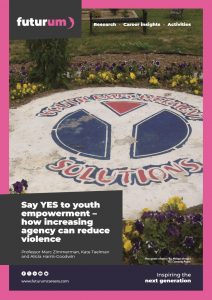
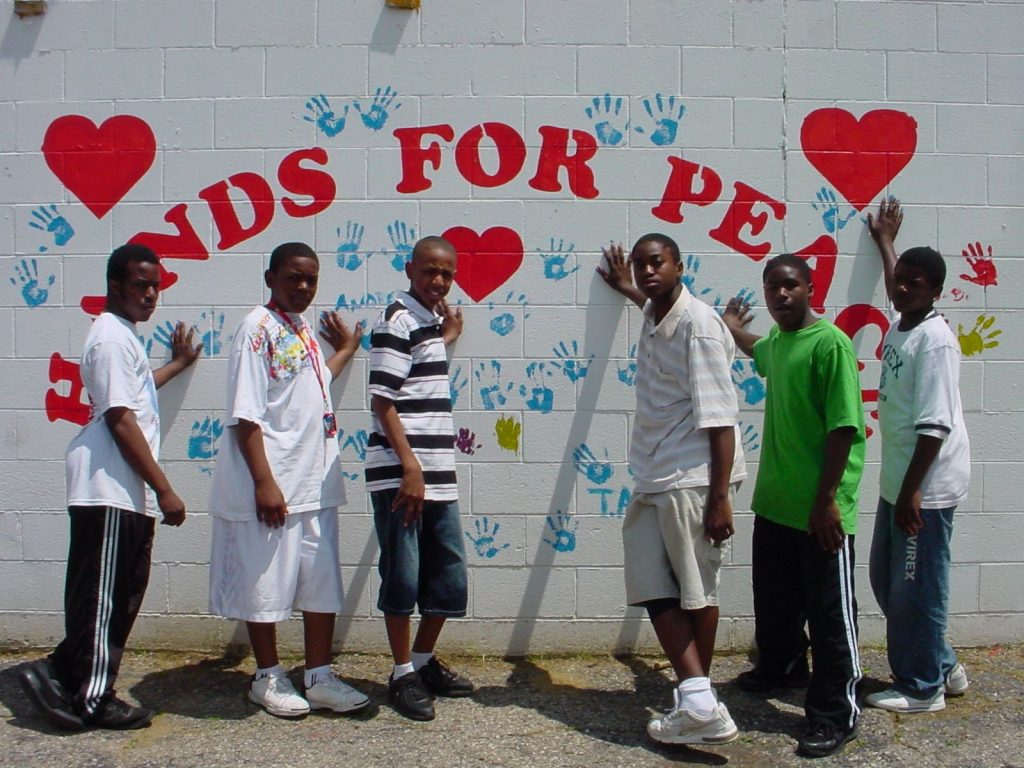
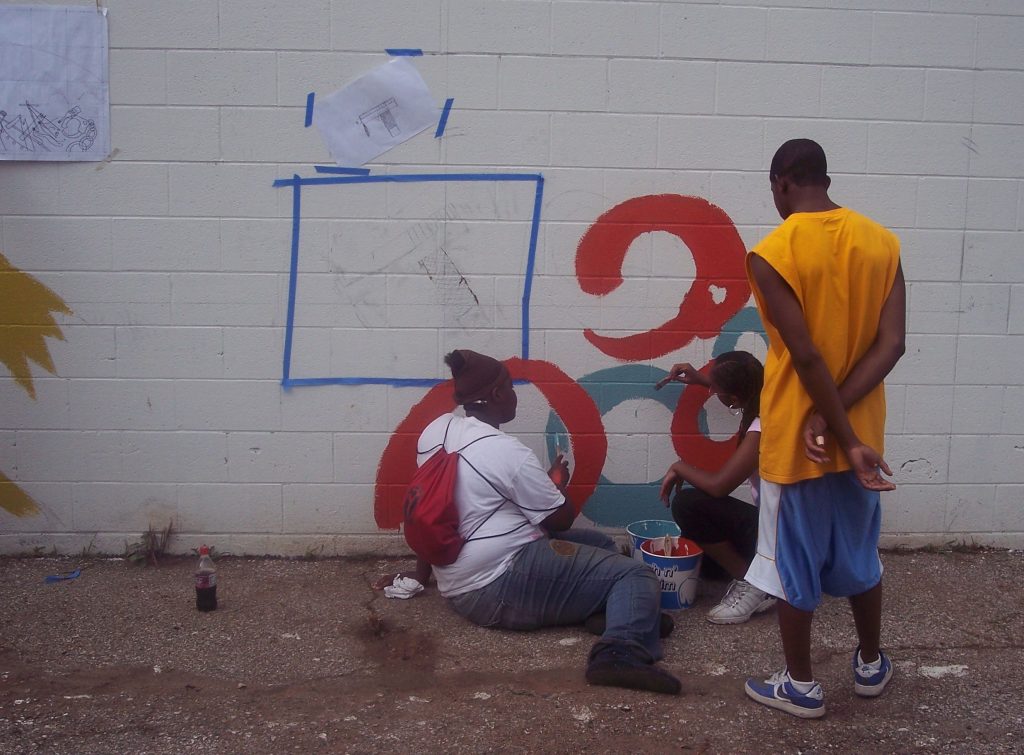
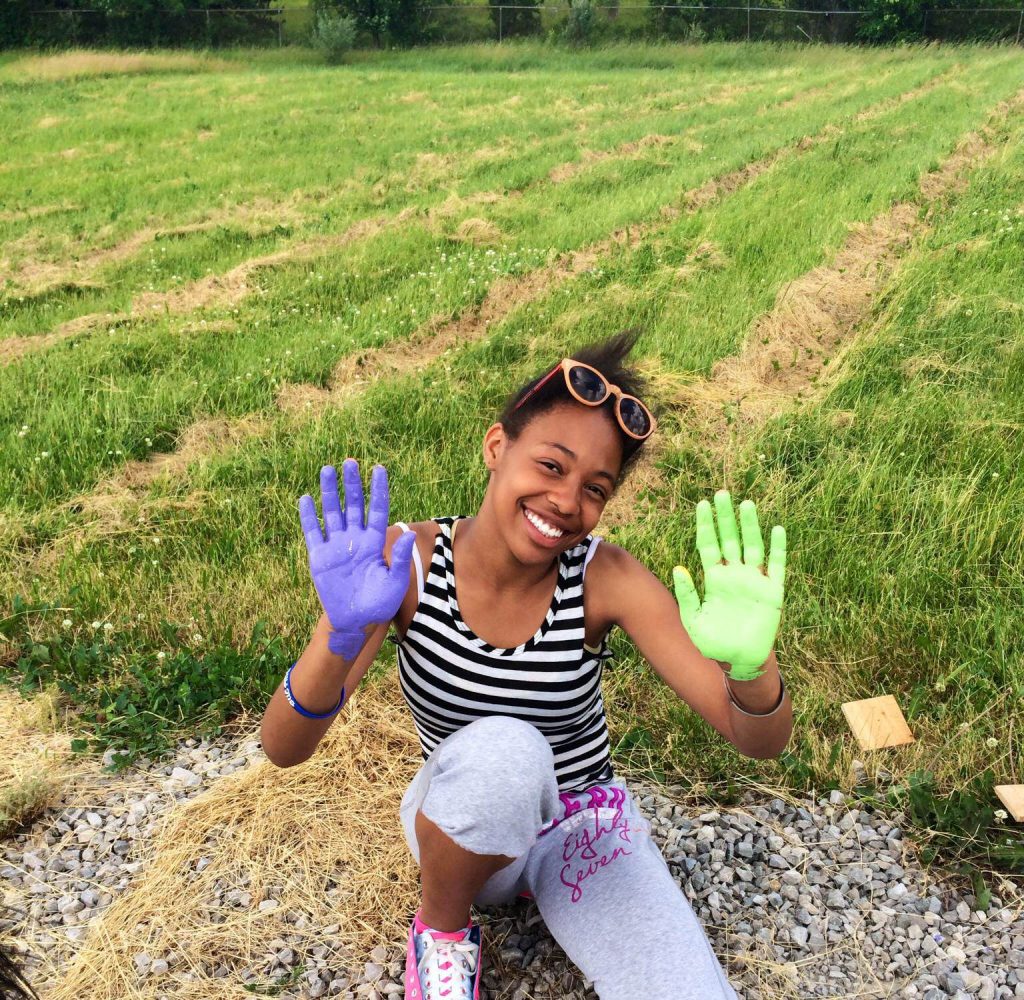
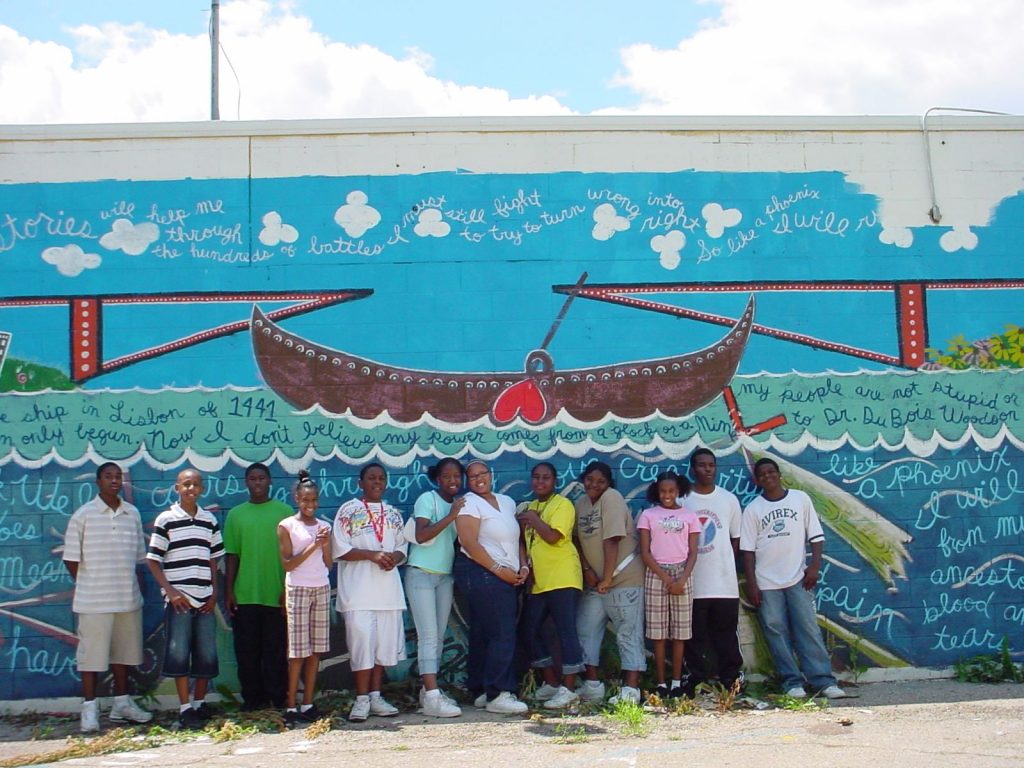
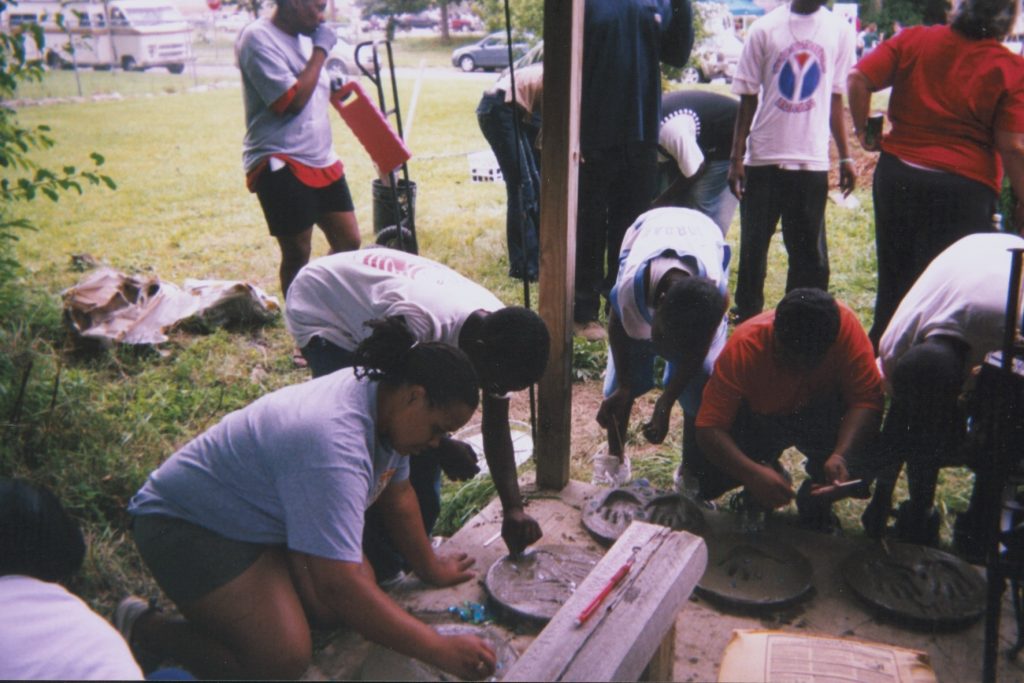
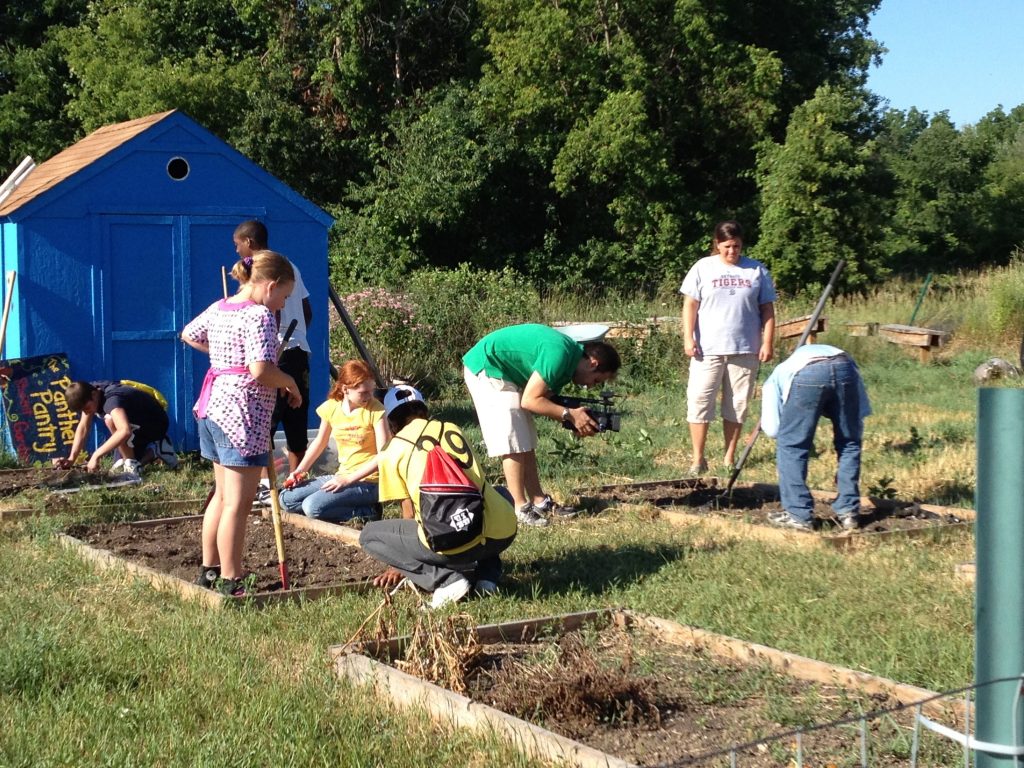
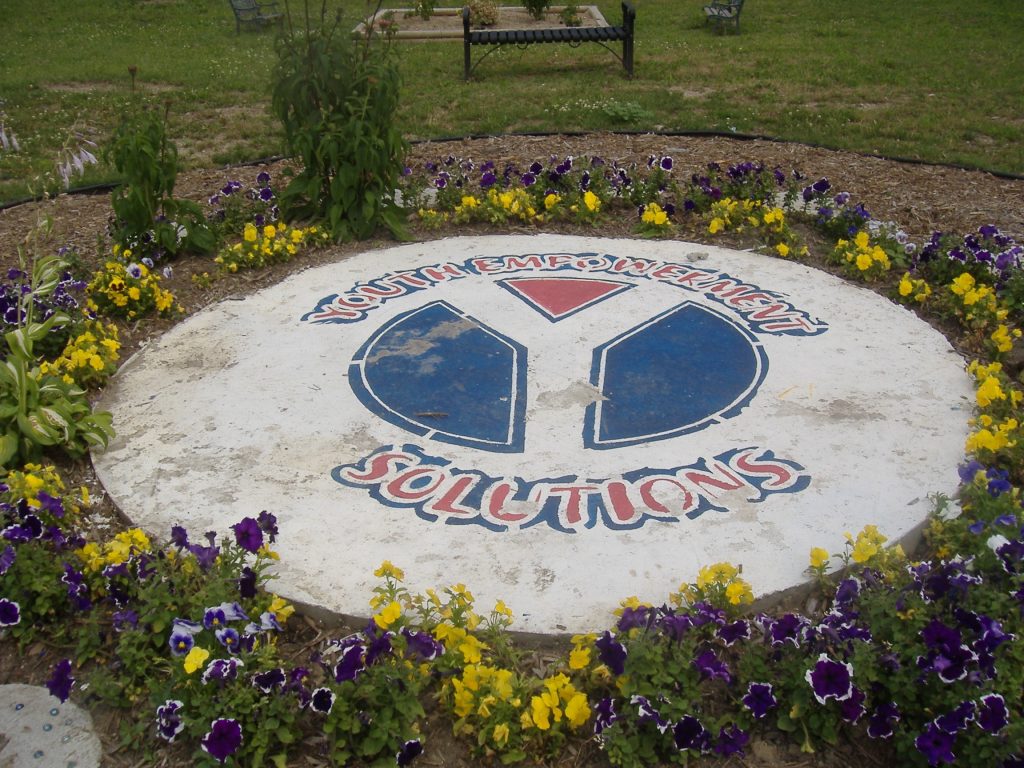
Once a community issue has been identified, participants design and implement a project. “The project could be a physical change, such as creating a mural, community garden or reading space in school, or a social event, such as a community celebration or a school health fair,” says Marc. “The curriculum is designed to help youth think critically about their lives and community, develop confidence, decision-making and problem-solving skills, and recognise that they can create change.”
Each YES group is guided by trained adult facilitators who support rather than control their participants. “The role of a facilitator is to help youth realise and reach their potential,” says Marc. “They need to be a sideline coach, not a lecturing teacher, and the responsibility is given to the youth.”
How has the YES programme been evaluated?
“It is important that we pay attention to the conversations between facilitators and participants, as both groups are likely to have personal, related experiences or curiosities around the topics being discussed,” says Kate Taelman, project manager of YES. Accordingly, the team have carried out evaluations of both the implementation and the outcomes of the programme. The implementation evaluation, where groups were observed and feedback was taken from the youth and the facilitators, has led to changes such as more formal training and support for facilitators.
In terms of outcomes, the team monitored the progress of regular attendees of the programme three months after the programme and one year later, compared to a comparison group of young people who did not participate or attend many sessions. “We found that youth in the programme felt more empowered, improved their problem-solving skills and took more actions to exert control in their lives,” says Marc. “This led to more positive behaviours, such as school engagement and participation in extracurricular activities, and fewer problem behaviours, such as alcohol use, crime and violence, compared to youth who did not participate in the programme.”
Testimonials from participants highlight the programme’s positive impacts. “One youth interviewed several years later noted that the YES experience was transformational and helped him appreciate his community and that there was more to the world than his own perspective and experience,” says Marc.
Facilitators note that participants form friendships, connect with trusted adults, gain confidence to speak in front of a group and learn to communicate respectfully, even when they disagree. “This is important because we want them to be able to know how to engage with people from different backgrounds or points of view while valuing each other and demonstrating respect,” explains Kate.
What are the wider impacts of the YES programme?
The team found a reduction in violent crime around murals and gardens created by participants. “We found that the effect was stronger closer to the project, and then slowly decreased further away from the site,” says Marc. “This led to a whole new programme of research on greening and reclaiming vacant properties, which we have consistently found to result in less community violence.”
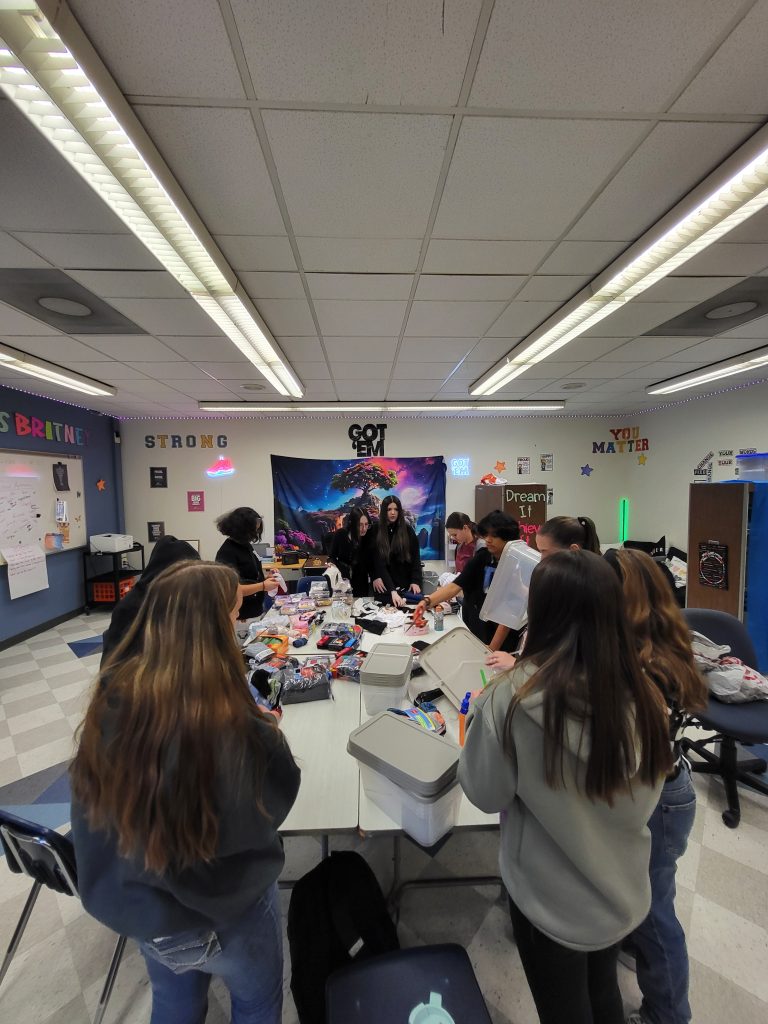
“Youth-led projects have also addressed other needs within their school communities,” says Kate. “Some have created food pantries or emergency clothing banks, while others have installed buddy benches, promoted school pride, and hosted events to destigmatise and raise awareness of mental health.”
What is next for the YES programme?
The team are improving YES by providing free online access to all programme materials and low-cost, self-paced facilitator training. They hope to expand YES to high school students, including a focus on employment skills for older students and graduates. “We are currently evaluating YES to see whether it can improve tolerance for differences and build solidarity between youth, regardless of race, sexual identity, gender and (dis)ability,” says Marc.
 Professor Marc Zimmerman
Marshall H. Becker Collegiate Professor, Co- Director of the Institute for Firearm Injury Prevention, Faculty Member of the School of Public Health, University of Michigan, USA
Kate Taelman
Research Area Specialist, YES Project Manager, University of Michigan, USA
Alicia Harris-Goodwin
Middle School English Language Arts Teacher, Grandport Academy in Ecorse Public Schools
Fields of research: Community psychology; developmental psychology; public health; adolescent and child health; school health; violence prevention
Research project: Youth Empowerment Solutions (YES): centring youth in community violence prevention
Funders: The YES programme and resources were made possible by grants from the US National Institutes of Health, the Centers for Disease Control and Prevention and the John Mohme Foundation
Reference
https://doi.org/10.33424/FUTURUM668



About youth empowerment
Childhood, adolescence and early adulthood are full of excitements, frustrations and mistakes, and are key to the development of our personality and sense of self. Working in youth empowerment provides unique opportunities to sit alongside young people as they work through these experiences, and to enable them to grow in confidence, develop leadership skills and become agents of change. “Youth empowerment is exciting because you see thought processes change over time,” says Alicia. “We often see quiet students who join YES and find a voice they didn’t know they had.”
There are challenges, such as convincing young people (and adults) to engage with the work. “Some youth find it hard not to think critically about their community and to recognise that they have power to make change,” says Kate. “Apathy is rampant and there are lots of distractions, such as social media, that make it easy to tune out.”
“Another challenge is helping students understand that there are people who live their lives differently from them yet have some of the same experiences,” says Alicia. “It is important to help students understand that the stereotypes and stigmas they have seen and heard about through the media don’t represent a single group of people.”
These challenges can be overcome by listening deeply to the needs and concerns of young people. “Centring youth voice and experience is key,” says Kate. “They need opportunities to practice using their voice, making decisions and planning for shared goals.” Patience and acceptance are also important. “Keep an open mind,” says Alicia. “Be willing to accept people as they are and know that there’s always room for growth.”
Pathway from school to youth empowerment
At school, build a foundation in psychology, sociology and statistics. At university or college, focus on topics such as community psychology, developmental psychology and public health. Exploring courses which cover service learning, organisational studies, group processes and active learning will also be helpful.
“If you are interested in youth related research or youth empowerment, be sure to gain experience working directly with youth or with professionals who work with them in any capacity,” says Kate. “You can learn a lot about the needs and experiences of youth through roles like coaching, camp counselling or assisting teachers.”
Explore careers in youth empowerment
Careers in youth empowerment can include working as a researcher in universities or other organisations such as charities and policy research units, or working directly with young people in settings such as schools, hospitals, prisons and community centres.
The American Psychological Association and the British Psychological Society both have useful websites full of information, resources and volunteering opportunities. You could even consider becoming a student member, which gives you access to additional resources as well as meetings, conferences and other opportunities to meet professionals working in the field.
You can learn more about the research being carried out by Marc, Kate and their colleagues on the School of Public Health at the University of Michigan website.
Meet Marc
I grew up during the civil and women’s rights movements of the 1960’s, so I was influenced by how those movements made change by organising and making their voices heard in mostly non-violent ways. When our college administrators started to cancel all bi-lingual, women’s and African-American studies programmes, I worked with my fellow students to save them. We succeeded, but I learnt that those in power had all the information. This led me to a career in research because I wanted to develop the skills to gather data and inform policy, and to have the power of the data and information that I generated.
I enjoy working with my colleagues and community partners to use the research process to improve lives, especially among those who are less advantaged than me. It was not easy, but I now get to use research to make a difference in the lives of individuals, families and communities – helping to create safe and healthy futures.
I’m motivated by helping youth find a path to positive development instead of the slippery slope of problem behaviours which can lead to all sorts of bad outcomes like alcohol and drug addiction, crime, injury, and even death. I am also driven by helping the next generation of learners take what I have learnt to new heights and make positive change in the world.
Marc’s top tips
1. Believe in yourself, and be a positive force in the world.
2. Be open-minded, listen to others’ ideas and include them in your plans to make positive change happen.
3. Think outside the box, be creative and do not let the ordinary get in the way of the extraordinary.
Meet Kate
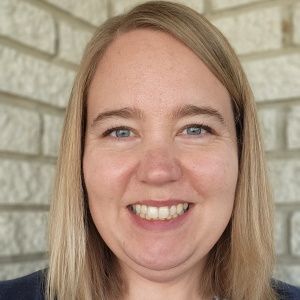
My own teenage years were very challenging. I became a social studies teacher to help students who were facing similar challenges, and to instil the belief that people have power to make change within themselves and their community. As a teacher, I saw the effects of structural racism and policy failures that contribute to violence, poverty and poor health outcomes at a population level. After more than a decade in various education roles, I began my career in public health research. I wanted to better understand what ‘we’ can do about these large issues facing communities, and to do something about it.
What I love most about my job is the people! I enjoy working with my colleagues and connecting with the YES teachers and youth involved in the programme. I also love that my role helps others work towards creating a better world. I love being a project manager because no two days are the same and I’m able to use my planning, organisational and problem-solving skills in meaningful ways.
I am motivated by the beliefs that people have power and youth are our future. This means preparing them and making sure they understand that their power is vital. We do not need to normalise or accept violence as an inevitable outcome. Adults and youth can’t become complacent in that. We can do better.
Kate’s top tips
1. Make connections with all kinds of people. Let them teach or inform you about their lives, experiences and expertise.
2. Go through open doors – they may lead you to something you hadn’t thought of or planned to do, but more often than not, it’ll be better than you expected.
Meet Alicia
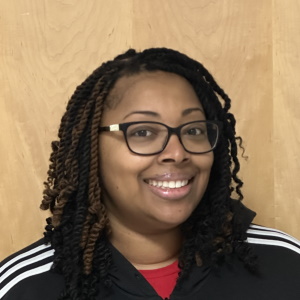
As a teenager, I was interested in the typical activities – going out with friends, reading and listening to music. In high school, I was a member of the marching band and symphony band.
During my undergraduate years, I was involved in many teaching and mentoring roles with a variety of groups. This helped me determine which ages I wanted to teach, and promoting youth empowerment was an added bonus. As a teacher, I give my students the necessary tools to be their best selves, especially how to give and receive respect.
I love hearing student-led discussions. I’ll pose a question based on the given topic, and they’ll keep the conversation going. In those moments, I am more of a moderator than a facilitator. It’s an amazing thing to see, hear and feel. It gives me an understanding of what their points of view are and answers the ‘why’ of what they think and feel.
I am motivated by students who are excited to participate. They show up eager to hear about and discuss the given topic. Their commitment to the YES programme inspires me to keep working with the programme as well.
Alicia’s top tip
Start small and take part in volunteer work with youth to determine your level of commitment.
Do you have a question for Marc, Kate or Alicia?
Write it in the comments box below and they will get back to you. (Remember, researchers are very busy people, so you may have to wait a few days.)
Learn more about how community engagement project can empower students:
futurumcareers.com/how-can-community-engagement-projects-empower-stem-students
0 Comments