
Staying on track: how do teenage athletes choose what to eat?
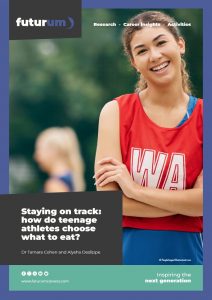
In Canadian high schools, around 30% of teenagers participate in school sports. However, there are limited resources available to help these teen athletes decide what they should be eating to keep themselves healthy and improve their performance. At the University of British Columbia in Canada, Dr Tamara Cohen and her PhD student Alysha Deslippe are developing an app that helps teenage athletes improve their understanding of nutrition so that they can make better decisions about what to eat.
Talk like a dietitian
Dietetics — the scientific study of food and its effect on people’s health
Eating behaviours — a person’s patterns and habits of how they choose and consume food
Food literacy — the ability to make informed choices about food and consider its impact on health, the environment and the economy
What do you think about when you choose what to have for lunch? Perhaps you consider which meals are easy and quick to make, which ingredients are most affordable, or which foods have the most protein or energy. Maybe you think about which meals taste the best or have the lowest environmental impact. Whatever you prioritise, understanding the food we put in our bodies — and how it impacts our lives and well-being — is an important part of becoming food literate.
At the University of British Columbia, Dr Tamara Cohen and her PhD student Alysha Deslippe are working to improve the food literacy of teenagers. Food literacy affects many aspects of our lives, and it is much more complex than being able to tell the difference between healthy and unhealthy foods. Instead, food literacy also includes having the skills to cook different meals, knowing which foods are sustainable and affordable, and understanding how food can affect our mental health. “What we eat affects everything — energy, growth, mental health and even how well we recover from illness,” says Alysha.
How can we improve our food literacy?
Most people first learn about food by cooking with family members or attending cooking classes at school. However, food-based TV shows, nutritional content online or on social media, and talking to dietitians are also great ways to get more information.
“Once you know what food your body needs, becoming more food literate is all about practice,” says Alysha. “This includes trying out new foods and learning to cook new meals. Anything that allows you to really think about what you need to eat, as well as where and how you can get it, are great ways to start building up your food literacy.”
What are Tamara and Alysha studying?
While it is important to develop food literacy at any age, Tamara and Alysha are promoting this knowledge amongst teenagers and young people. “Food literacy is incredibly important for teens because it can help them make choices about when, what and how to eat, in ways that support their physical health and mental well-being,” says Alysha.
With the overwhelming amount of content and misinformation online, as well as harmful messaging around body image and dieting advice on social media, it is now more important than ever for teenagers to have trusted and reliable sources that can help them make healthy choices around food.
Focusing in: teenage athletes
In their current research, Tamara and Alysha are working specifically with teenage athletes, as their relationship with food plays a huge role in their ability to compete and perform well in their sport. “If a teenager doesn’t get enough nutrients for their level of activity, they can be more likely to get injured, feel sluggish and fail to grow to their full potential,” says Alysha. “In extreme cases, a teen who doesn’t get enough nutrients might not be able to keep playing their sport.”
Tamara and Alysha have been working to understand current levels of food literacy in teenage athletes and areas in which they might need help. Their initial research has shown that while most teenagers are comfortable cooking and understand how food affects their physical health, a lot of them do not understand the impact of food on their mental well-being, social connections or the health of the planet. “What this means is that we have more work to do to make sure teens can make informed choices that aren’t just based on whether a food is healthy or not,” says Alysha. “It’s much more complex than that!”
Research project: PLAYTE
To help teenage athletes improve their food literacy, Tamara and Alysha have developed an app called PLAYTE, which aims to help teenage athletes develop the skills and knowledge they need to cook high-nutrient meals and make food-based decisions that will help their performance. Instead of a one-size-fits-all approach, PLAYTE helps users develop personalised dietary habits that work for them and support both their physical and mental health. “For example, PLAYTE uses portion sizes instead of rigid numbers when helping users figure out what nutrients they need,” says Alysha. “The app also includes meal tracking, sport nutrition videos and a recipe library, and we have incorporated specific safety measures to make sure PLAYTE does not cause an athlete to feel worse about themselves or their body by thinking about what they eat while using the app.”
To measure the impact of PLAYTE, the research team has created a study with 80 high school athletes who are using the app for a full school year. “We send out online surveys to participants before and after using PLAYTE, which lets us measure changes in their dietary habits and receive feedback,” says Alysha. “So far, teen athletes have found PLAYTE fun, useful and simple to use.” The team’s next steps are to collate the feedback and adapt the app accordingly. “For example, we’re adding in a goal-setting feature based on feedback that this would make the app feel more personal,” says Alysha.
Reference
https://doi.org/10.33424/FUTURUM667

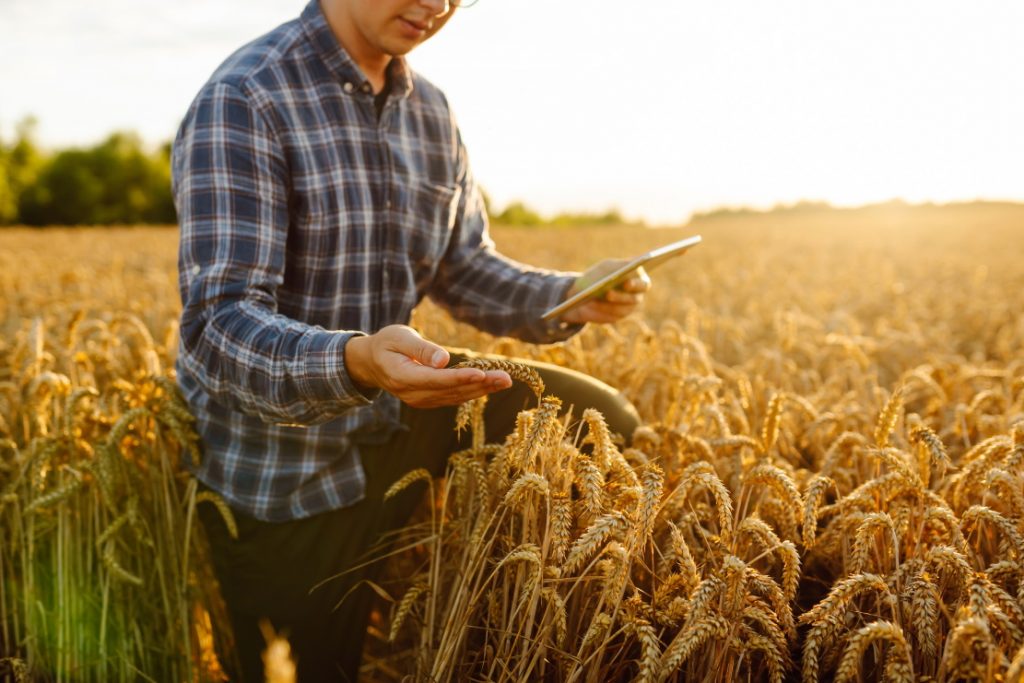
Food literacy involves more than just knowing whether a food is healthy or not; it also involves understanding where our food comes from and how it impacts the environment.
© maxbelchenko /Shutterstock.com



If your school is based in the Greater Vancouver area, ask your teacher if your school can start using the PLAYTE app. Alysha and Tamara are also partnering with national organisations to get the app promoted further afield too, so keep an eye out to see if PLAYTE makes its way towards you!
 Dr Tamara Cohen
Associate Professor in Human Nutrition, Director of Dietetics Programs, University of British Columbia, Canada
Funders: Canadian Institute of Health Research; University of British Columbia; The Canadian Foundation for Innovation; Canadian Institute of Health Research Planning and Dissemination Grant
Alysha Deslippe
PhD Candidate in Human Nutrition, University of British Columbia, Canada
Funders: Social Sciences and Humanities Research Council of Canada (SSHRC) Doctoral Award; Canadian Behavioural Trials Network; Michael Smith Health Research British Columbia Doctoral Fellowship; University of British Columbia Public Scholars Initiative
Fields of research: Dietetics; nutrition; dietary behaviours
Research project: Developing an app to support nutrition and food literacy in teen athletes
About dietetics
Dietetics is the scientific study of food and the practice of helping people make the best decisions about what to eat. Within the field of dietetics, there are a huge range of different career options, as dietitians can work in hospitals, medical research groups, sports teams, community projects or within the pharmaceuticals industry. “Regardless of which area they are working in, dietitians are regulated health professionals who assess, diagnose and treat nutrition-related problems,” says Tamara.
“Dietetics is all about using food and nutrition to keep people healthy and prevent disease,” adds Tamara. “Dietitians help individuals make better choices and also shape public health programmes, like school lunch guidelines or hospital nutrition plans. By improving nutrition, dietitians can help reduce the risk of chronic diseases like diabetes, heart disease and obesity, which benefits society as a whole.”
Dietitian or nutritionist?
The words dietitian and nutritionist are often used interchangeably, but they mean very different things. “A dietitian is a legally protected title in Canada, and dietitians must meet strict education and licensing requirements,” says Tamara. “They can work in clinical settings and provide medical nutrition therapy.” On the other hand, being a nutritionist is not a protected title, meaning anyone can call themselves a nutritionist — even without formal training.
What are the rewards and challenges of working in dietetics?
The positive real-world impact of working in dietetics is one of the main reasons people are drawn to this field. “You get to make a real difference in people’s lives — helping someone feel better, recover faster or build healthy habits that last a lifetime,” says Tamara.
“Food is something that everyone interacts with every day, and it has a huge impact on health and quality of life,” adds Tamara. “Dietetics allows me to use science to solve problems and change lives — whether it’s helping someone manage a chronic condition or influencing national nutrition guidelines. Seeing research translate into real-world improvements is incredibly fulfilling.”
However, one of the challenges that Alysha and Tamara face is combatting the misinformation and incorrect nutrition advice that people often find online, which is only getting worse. “Another challenge is working with people who are struggling to change their eating habits,” says Tamara. “Understanding people’s challenges and supporting them without judgment is key.” By becoming a dietitian, you could help find solutions to these challenges!
Pathway from school to dietetics
“Focus on biology, chemistry and math in high school,” says Tamara. “These subjects are the building blocks for understanding nutrition.”
Next, study a bachelor’s degree in human nutrition or dietetics. “After that, you have to complete supervised practical training and pass a licensing exam to become a dietitian,” says Tamara.
“Take additional courses in physiology, biochemistry and food science,” advises Tamara. Once you have completed an undergraduate degree, you will need to pursue a master’s degree if you want to work in research.
Explore careers in dietetics
“Careers in dietetics include clinical dietitians (in a hospital), community nutritionists, sports dietitians, food industry consultants, academic researchers and educators,” says Tamara.
“A dietitian’s day can vary a lot depending on their job,” says Tamara. “Some work in hospitals, helping patients with special diets. Others work in sports, planning meals for athletes, or in research, studying how food affects health.”
Try to get hands-on experience in healthcare and food-related settings. “Volunteer at hospitals, community health programmes or food banks,” says Tamara. “Speak with researchers or PhD students in the area you are interested in. Most researchers and students are happy to talk about what they do, and this can be a great way to get some inside knowledge about what the role is like and what to expect.”
Learn more about becoming a dietitian from the Dietitians of Canada.
Read about the variety of interesting career paths that are open to nutrition and dietetics students on the University of British Columbia’s website.
Meet Tamara

As a teenager, I was always very active — I loved exercising and staying fit, and I also loved baking. I thought I wanted to become a medical doctor, but over time, I realised that dietetics offered something unique: flexibility, creativity and the chance to talk about food all day!
I love the creative nature of my job and the flexibility to explore research questions that truly interest me. Every day feels different because I can design studies, analyse data and develop new tools to help people improve their health. I also love working with others — collaborating with professors, students and health professionals makes projects exciting and rewarding.
What really drives me is the opportunity to make a difference. Nutrition can prevent illness, support recovery and even influence public health policies. Knowing that my work can improve lives on both an individual and community level keeps me passionate about this field.
As the Director of Dietetics at the University of British Columbia, I’m also motivated by the chance to shape the future of the profession. I get to design programmes that train the next generation of dietitians and ensure they have the skills to meet today’s health challenges.
To unwind from work, I run — and I run a lot! Staying active is my way of clearing my head and recharging. My mantra is simple: eat, sleep and work out. Whether it’s a long run or just a walk around the block, moving my body helps me stay focused and manage stress. Exercise gives me time to think, reset and come back to work with fresh energy.
Tamara’s top tips
1. Develop your communication skills! Dietitians work with patients, students and other health professionals every day, so being able to clearly explain complex ideas is key.
2. Stay curious and open-minded. Nutrition science is always changing. Be ready to learn and adapt.
Meet Alysha
As a teenager, I was diagnosed with irritable bowel syndrome (IBS) and had to make a lot of changes to what I was eating to support my health. While I was going through this process, I became really interested in all the information that was out there about nutrition and, importantly, how often it’s actually untrue. I wanted to pursue a career where I could help to tackle this misinformation and help other people figure out what to eat in ways that support their health.
Although I am a behavioural scientist rather than a dietitian, I am thoroughly trained in nutritional needs, the reasons behind dietary habits, human anatomy and other key topics dietitians need to know.
My experiences dealing with IBS, competing as a former athlete and working as a coach for over 10 years have all helped shape my PhD. I can tie experiences from my life into my research and this often makes it feel more meaningful to me — I can see how my work can be useful for others in the real world.
I’d love to see more work on how high school coaches of teen athletes can be better supported in their roles. Being a high school coach in Canada is often a volunteer position and doesn’t come with much training. Getting a better understanding of what support coaches may need could help improve sport experiences for everyone involved.
After work, I like to get outside to move my body, whether that’s running, skiing, playing beach volleyball or going for a walk. Right now, I am doing a lot of unwinding by walking with my young pup Marvin and watching Netflix with him.
Alysha’s top tips
1. Try out research early, as it can look very different depending on the field, country, project or team.
2. When choosing a career, think about whether what you would be doing on a day-to-day basis is what you really want.
Do you have a question for Tamara or Alysha?
Write it in the comments box below and they will get back to you. (Remember, researchers are very busy people, so you may have to wait a few days.)
2 Comments
Submit a Comment

Learn more about inequalities in school sports in Canada:
futurumcareers.com/using-law-and-data-to-address-gender-inequality-in-school-sports
How do we identify the food that suits our body physique. Every individual has a different body physique, this is affected by their genes. This factor makes it tough for individuals to choose what they want to eat, all platforms only provide a common balanced diet program which will not work for different people with different health.
Hi Mithra,
Different bodies can certainly have different nutrition needs. Things like allergies, digestive challenges and clinical conditions (e.g., diabetes) can cause certain people to need very personalized dietary advice. In these cases, the best option is to speak with a nutrition expert, like a Registered Dietitian, to find a personalized nutrition plan that works best. Beyond these types of factors, most individuals can lead a relatively healthy life by focusing on eating a wide variety of different types of foods. One strategy to help do this is thinking about if you had a plate in front of you and making it half fruits and/or vegetables, a quarter protein rich foods (e.g., nuts, seeds, chickpeas, beans, dairy products, tofu, fish or meat etc.) and a quarter carbohydrate rich foods (e.g., pasta, rice, bread, potatoes, casava, tortilla etc.). Mixing up the different foods in each section with different meals and snacks can go a long way in supporting health.