
Targeting senescent cells to promote healthy ageing
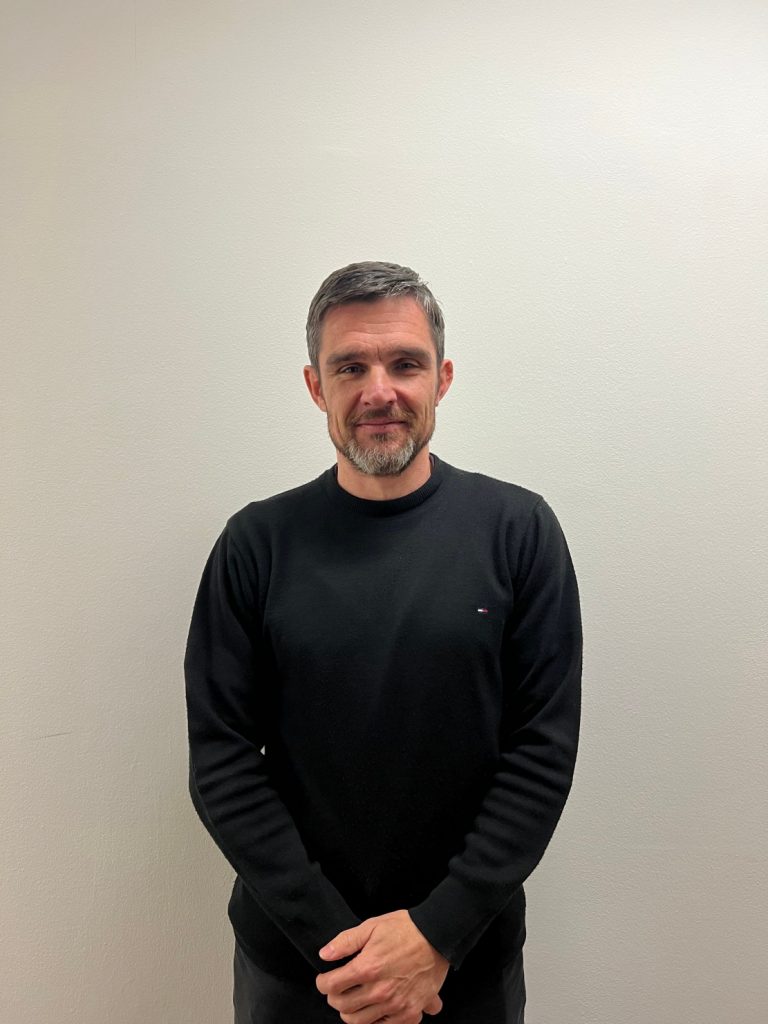
As people live longer, many spend their extra years managing chronic illnesses rather than enjoying life. Cellular senescence, the accumulation of damaged cells that refuse to destroy themselves, plays a key role in this age-related decline. At the Institute for Clinical and Experimental Medicine in Czechia, a team led by Professor Martin Haluzík and Dr Soňa Štemberková Hubáčková is developing senolytic compounds, drugs that can selectively remove senescent cells, reduce age-related damage and help people stay healthier for longer.
Talk like a molecular biologist
Cellular senescence — a state in which damaged or stressed cells permanently stop dividing but remain metabolically active, often releasing molecules that cause inflammation, fibrosis and tissue dysfunction
Fibrosis — the excessive build-up of structural proteins, leading to tissue stiffening and impaired organ function
Inflammation — the body’s response to injury or stress that can cause swelling, redness and tissue damage
Mitochondria — tiny structures inside cells that generate energy, regulate cell death and play a central role in the onset of cellular senescence
Metabolic diseases — disorders that affect how the body processes and uses energy from food, often leading to conditions like obesity and diabetes
Senolytic compounds — drugs designed to selectively remove senescent cells from the body
In 1800, the average person lived for around 40 years; today, that number is closer to 80. However, living longer does not always mean living well. There is a growing gap between lifespan – the total number of years we live – and healthspan – the number of those years spent in good health.
“Around the world, people are living longer but often spend those extra years managing chronic illnesses like diabetes, cardiovascular disease and cancer,” says Dr Soňa Štemberková Hubáčková from the Laboratory of Translational and Experimental Diabetology and Obesitology (LTEDO) at the Institute for Clinical and Experimental Medicine. “Most current therapies primarily alleviate symptoms or slow disease progression but do not address the underlying biological mechanisms driving the illness.”
What is cellular senescence?
Research at the LTEDO focuses on cellular senescence, a fundamental biological process that links ageing, inflammation and the gradual decline of tissues. Normally, when cells become damaged or stressed, they stop dividing and destroy themselves to prevent further harm. But during senescence, instead of quietly disappearing, some of these cells linger – alive but no longer useful.
“Senescent cells are like ‘zombie cells’ that have stopped dividing but refuse to die, releasing a wide range of inflammatory and tissue-remodelling molecules,” explains Soňa. Over time, these cells build up throughout the body, creating a constant, low level of inflammation that contributes to age-related decline.
While cellular senescence begins as a protective mechanism, its long-term effects are damaging. The process is linked to many chronic conditions, including obesity, type 2 diabetes, cardiovascular disease, liver and kidney disorders, and neurodegenerative diseases. Senescence can even play a double role in cancer – helping to suppress tumour growth at first, but later encouraging it through inflammation and fibrosis.
How can we destroy senescent cells?
If senescent cells drive ageing and disease, then how can we remove them? The LTEDO team has developed a series of senolytic compounds – drugs designed to seek out and destroy senescent cells while leaving healthy ones intact.
This work began with a compound called MitoTam, originally created as an anti-cancer drug in Professor Jiří Neužil’s laboratory at the Institute of Biotechnology of the Czech Academy of Sciences. When Soňa tested MitoTam, she discovered that it also had a strong senolytic effect. “Building on these findings, the team at the LTEDO developed and patented a new generation of mitochondria-targeting senolytic agents that eliminate senescent cells by exploiting their characteristic metabolic and structural vulnerabilities,” explains Soňa.
These compounds specifically target mitochondria, the energy centres inside cells that are involved in maintaining senescence. Once inside the mitochondria, these senolytic compounds disrupt their structure and energy supply, triggering the controlled death of senescent cells. Healthy cells, which are more adaptable, remain largely unaffected.
How does the team test the senolytic compounds?
To study their senolytic compounds, the LTEDO team combines in vitro and in vivo experiments – meaning they test them both in the lab and in living organisms. In their in vitro studies, they induce senescence in cultured human and animal cells, allowing them to closely examine how the senolytic compounds affect mitochondrial function, cell survival and the secretion of inflammatory molecules. These experiments reveal the cellular mechanisms behind each compound’s action and help optimise their selectivity and dosing.
Reference
https://doi.org/10.33424/FUTURUM662




However, senescence affects many organs and depends on complex interactions between metabolism, the immune system and communication between tissues. “We therefore use several animal models of metabolic diseases and their complications to evaluate physiological and molecular outcomes,” says Soňa. “In parallel, collaboration with clinicians allows us to analyse human samples, confirming the translational relevance of our findings.”
What comes next?
The next step for the LTEDO team is to move from laboratory and animal studies into early-phase clinical trials. “This process is both exciting and challenging,” says Soňa. “It requires extensive testing to confirm long-term safety, define optimal dosing, and ensure selective elimination of senescent cells without harming healthy tissues.” Each clinical phase, from initial safety testing to large-scale trials, requires careful validation, regulatory approval, and close collaboration between scientists, clinicians and industry partners.
Alongside this work, the team is collaborating with clinicians to explore a novel use of senolytic therapy in organ transplantation. By administering their compounds directly to donor organs outside the body, they hope to rejuvenate these organs, improve their function and make them more suitable for transplant. “This strategy may expand the donor pool, improve transplant outcomes and shorten waiting times for recipients,” explains Soňa. “Because this approach reduces senescence in organs outside the donor or recipient’s body, it offers a faster and safer path to clinical application, effectively shortening the time required for full clinical testing.”
Why does this research matter?
Senolytic therapies could have a transformative impact not just on individual health by improving quality of life, but on society as a whole. As populations age, the rising number of chronic and degenerative diseases places huge pressure on healthcare systems. “By targeting one of the fundamental mechanisms of ageing, senolytic therapy has the potential to delay, prevent or even reverse multiple age-related disorders simultaneously,” says Soňa.
Restoring tissue function and reducing inflammation could help people spend more years in good health, rather than simply living longer. Fewer years of disability, lower healthcare costs and healthier, more active lives would contribute to a more productive, vibrant and sustainable society.
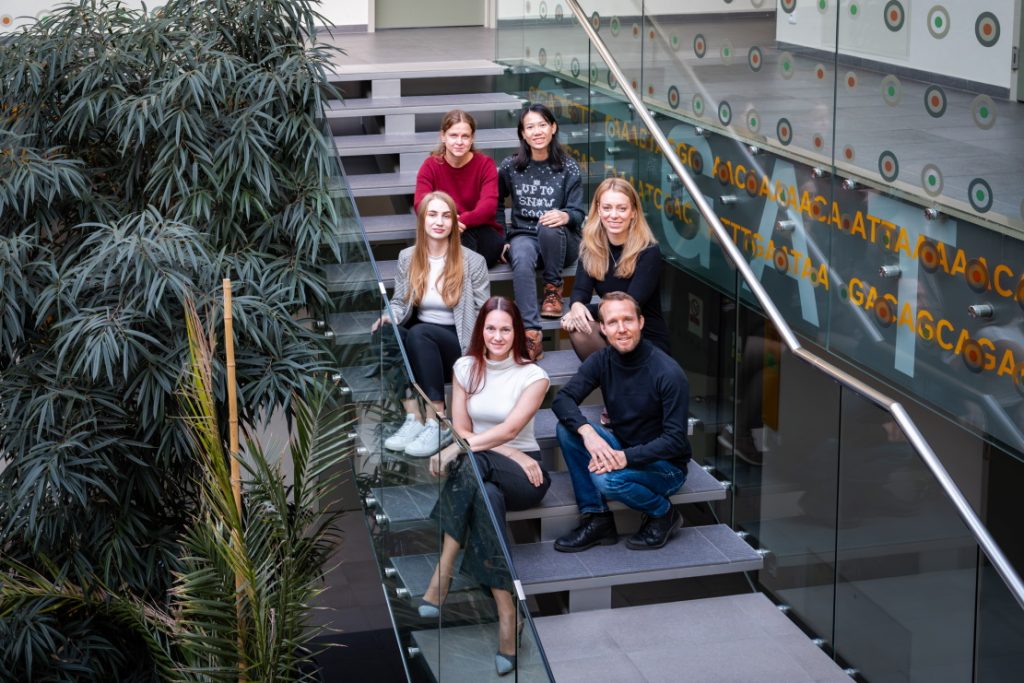
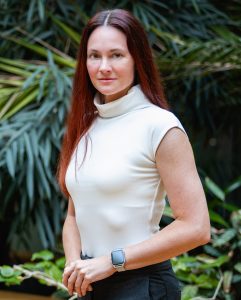 Dr Soňa Štemberková Hubáčková
Laboratory of Translational and Experimental Diabetology and Obesitology (LTEDO), Centre for Experimental Medicine, Institute for Clinical and Experimental Medicine, Czechia
Field of research: Molecular biology, cellular senescence, healthy ageing, molecular and translational medicine
Research paper: Targeting Mitochondrial Integrity as a New Senolytic Strategy. Hubáčková S., et al., 2025, doi.org/10.14336/AD.2024.1100
Funder: National Institute for Research of Metabolic and Cardiovascular Diseases (Programme EXCELES, ID Project No. LX22NPO5104) – Funded by the European Union – Next Generation EU; Czech Health Science Foundation; Czech Science Foundation; Institute for Clinical and Experimental Medicine
Do you have a question for Soňa?
Write it in the comments box below and she will get back to you. (Remember, researchers are very busy people, so you may have to wait a few days.)
Learn more about how mitochondrial biology is being used to treat disease:
futurumcareers.com/cancer-biology-with-dr-kelsey-fisher-wellman
0 Comments