
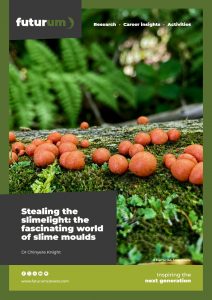
Stealing the slimelight: the fascinating world of slime moulds
Slime moulds are intriguing, fungus-like organisms that play a huge but hidden role in the environment. Historically, they have been understudied, but they are now starting to receive more attention. Dr Chinyere Knight from Tuskegee University in the US is a leader in slime mould research, studying and cataloguing specimens of slime moulds and fungi to document their diversity and characteristics. Through her research, she hopes to inspire and educate the next generation of mycologists.
Talk like a mycologist
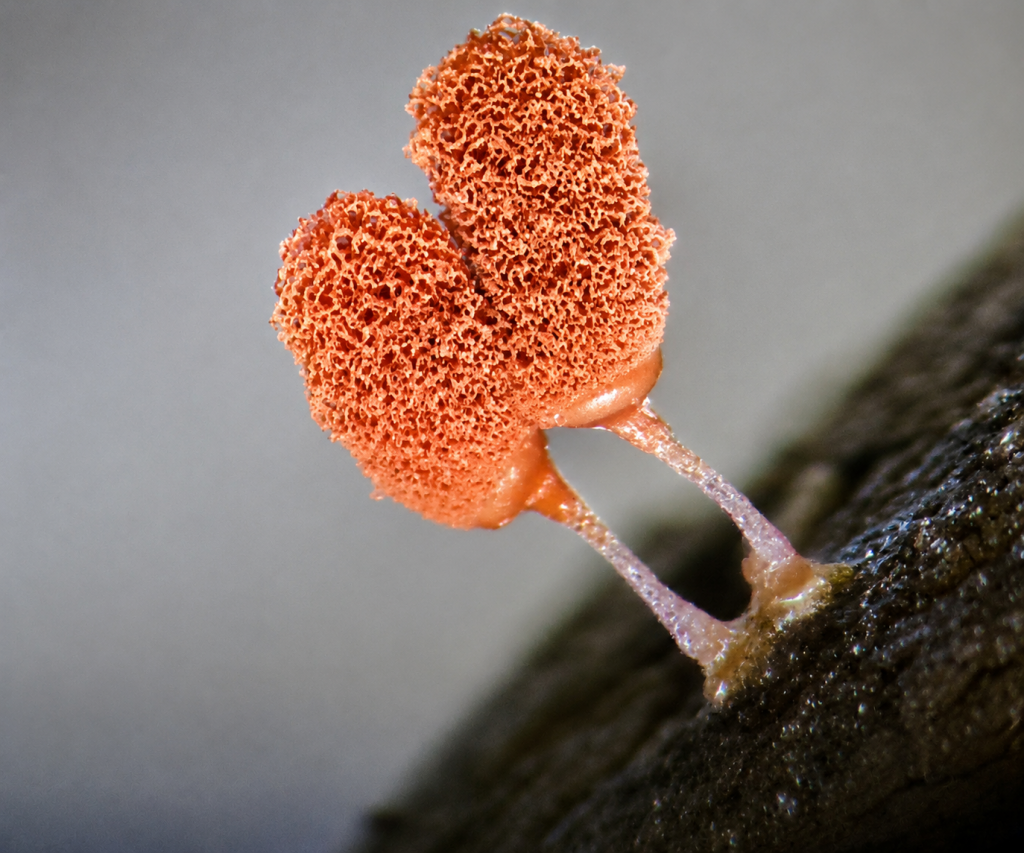
Fruiting body – the spore-producing structure of a fungus or slime mould, often seen as a mushroom
Fungi – one of the five kingdoms of life (along with animals, plants, protists and monera), containing mushrooms, yeasts and some moulds
Mycology – the scientific study of fungi and related organisms
Protist – any organism with a nucleus that does not belong in the animal, plant or fungus kingdom, including algae, kelp, amoeba and slime moulds
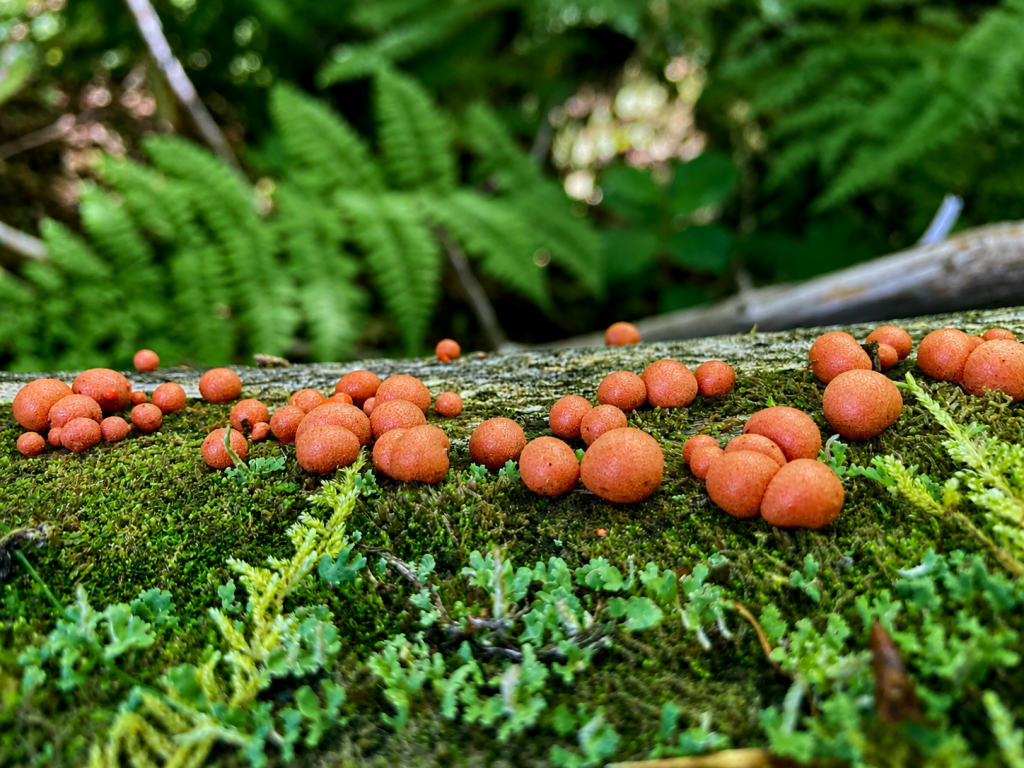
Slime moulds – also known as myxomycetes, these are fungus-like protists that live in damp, shady habitats such as decaying wood and soil
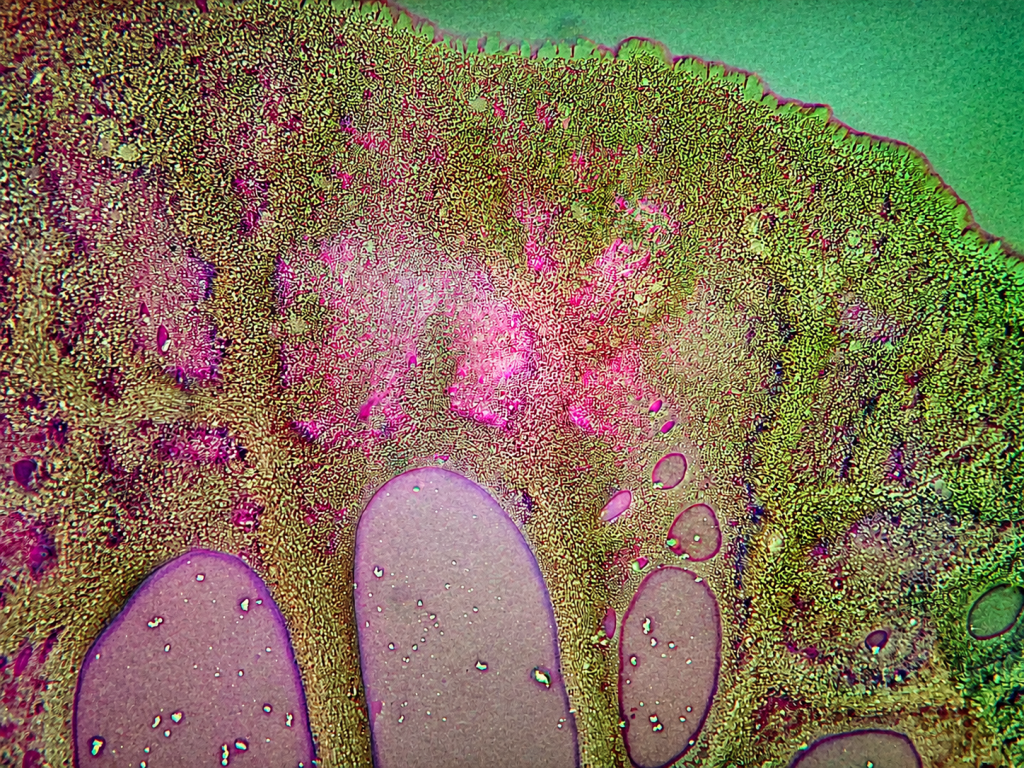
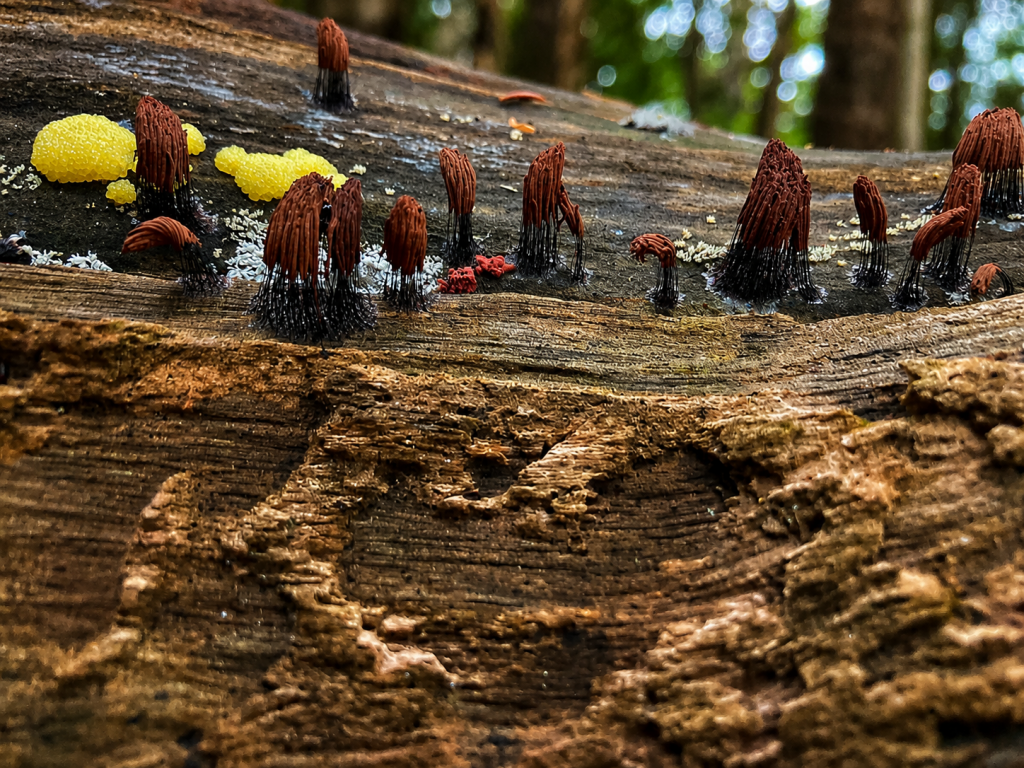
Slime moulds are bizarre organisms that defy categorisation. Most are tiny, but some can grow surprising large; they may be single-celled or multicellular, depending on the stage of their life cycle; and they live in diverse environments, from the Arctic tundra to the hottest deserts. “Slime moulds, also called myxomycetes, were once classified as fungi, but are actually protists,” explains Dr Chinyere Knight from Tuskegee University. “They play a huge role in regulating soil health and decomposing organic matter.”
Most slime moulds prefer damp, shady environments where they can focus on breaking down rotting vegetation in peace, which is likely why they have historically been overlooked by mycologists. But now it is their turn in the ‘slimelight’.
Although mycologists usually study fungi, they also extend their expertise to slime moulds as the two categories share many attributes – even if they are not closely related. Both fungi and slime moulds play important roles in decomposition, reproduce using spores and favour dark, damp environments.
Studying slime moulds
Chinyere believes that if researchers give them the attention they deserve, slime moulds may hold the key to unlocking big societal advancements. “Studying the metabolic pathways of slime moulds and fungi may contribute to the development of new products and processes in medicine, agriculture and environmental science,” says Chinyere. The next pharmaceutical breakthrough, a new biotechnology for managing soil health, or even new ways of cleaning up pollution may well be found within the cells of a slime mould.
Slime moulds can also help to educate the next generation of scientists. “Slime moulds are exceptional model organisms, and we can use them to demonstrate basic biological processes,” says Chinyere. “They are also non-toxic and one species, Physarum polycephalum, has had its whole genome sequenced, which makes it hugely useful for genomic studies.” Chinyere is drawing on this organism’s comprehensive genetic database to introduce her students to principles of evolution, cell biology, development and ecology.
The EAGER project
Chinyere wants to ensure that momentum for slime mould research is carried over to the next generation, which is why she is enlisting undergraduate and graduate students for the EAGER project. “This project supports exploratory work into untested but potentially transformative research ideas related to slime moulds,” says Chinyere. The EAGER project has three main aims: 1) to create a reference database of certain gene sequences within myxomycetes, 2) to digitally curate the L. Frederick collection of slime moulds and 3) to train students in field collection and data science.
Over 40 years ago, Dr Lafeyette Frederick collected slime mould specimens from around the world, many of which are now housed in the L. Frederick collection at Tuskegee University. The EAGER project will extend his legacy by growing the collection, verifying identifications and transferring much of its information into a digital system to make it as accessible and long-lasting as possible. “Dr Frederick was a world-renowned mycologist, plant pathologist and botanist,” says Chinyere. “He provided a model of distinction, diligence and humility that is essential for those who want to thrive in the world of science.”
Foraging in the field
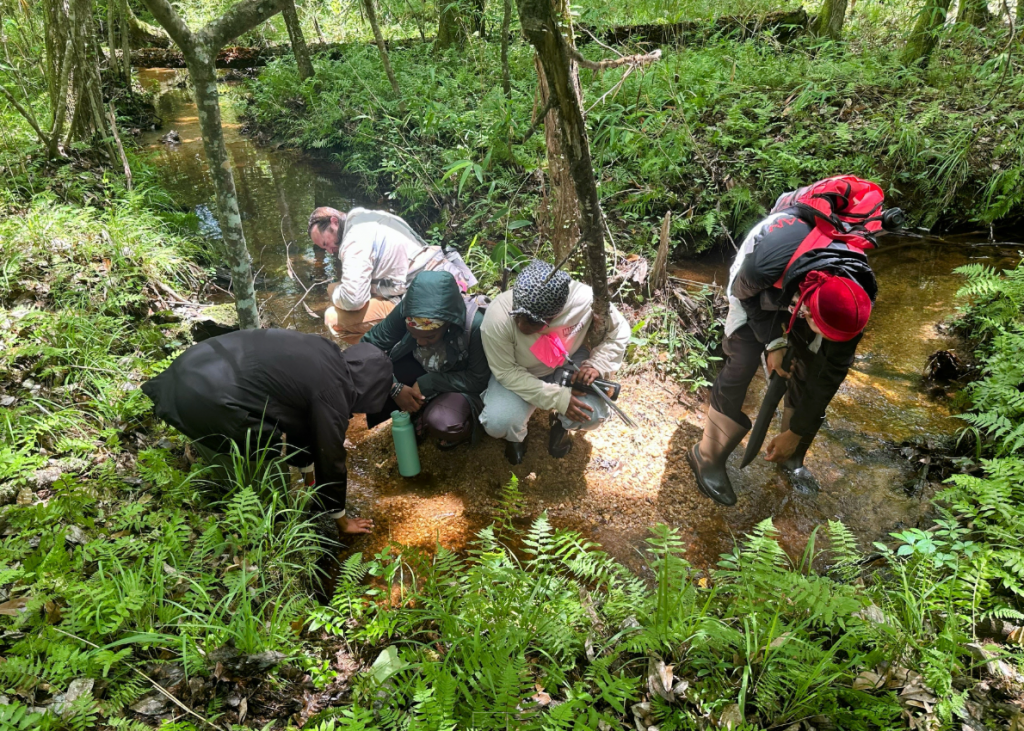
The diversity of slime moulds remains underexplored, despite the efforts of pioneering scientists like Dr Frederick. Chinyere is helping remedy this by collecting specimens from field sites, primarily in Macon County, Alabama, and training students to do the same. “I go out into the field in the warmer seasons, after a good rain,” she says. “When we find mature fruiting bodies, we put them into a small specimen box to preserve them for further morphological study.”
Morphological identification – identifying the species based on its physical characteristics – is something of a dying art, as more and more scientists rely on genetic techniques. “Morphological identification remains critical to maintain and expand natural history collections,” says Chinyere. “We train students in this skill to keep it alive.”
Sometimes, specimens can be identified on location using field guides, but sometimes they need closer analysis than the human eye can provide. “Fruiting bodies may be found on tree bark and in the leaf litter,” says Chinyere. “Some slime moulds are easy to spot and name, but smaller species require a dissecting microscope to view and identify. When we find a rare species, we take them to the lab and grow them in a moist chamber where we can monitor germination of spores.” Chinyere and her team also makes sure to take duplicate samples, so that some spores can be used for molecular studies in the future.
The next generation
The fieldwork and subsequent analysis by Chinyere and her students will bolster our slime mould knowledge and help address any sampling biases that exist in current slime mould catalogues. The EAGER project will create a more complete evidence base for understanding what slime moulds are and what they mean for the world and human society. “We’ve already done one survey of slime moulds in Camp Atkins Forest,” says Chinyere. “Soon, we’ll also collect samples from Tuskegee National Forest, to compare diversity and other characteristics between the two sites.”
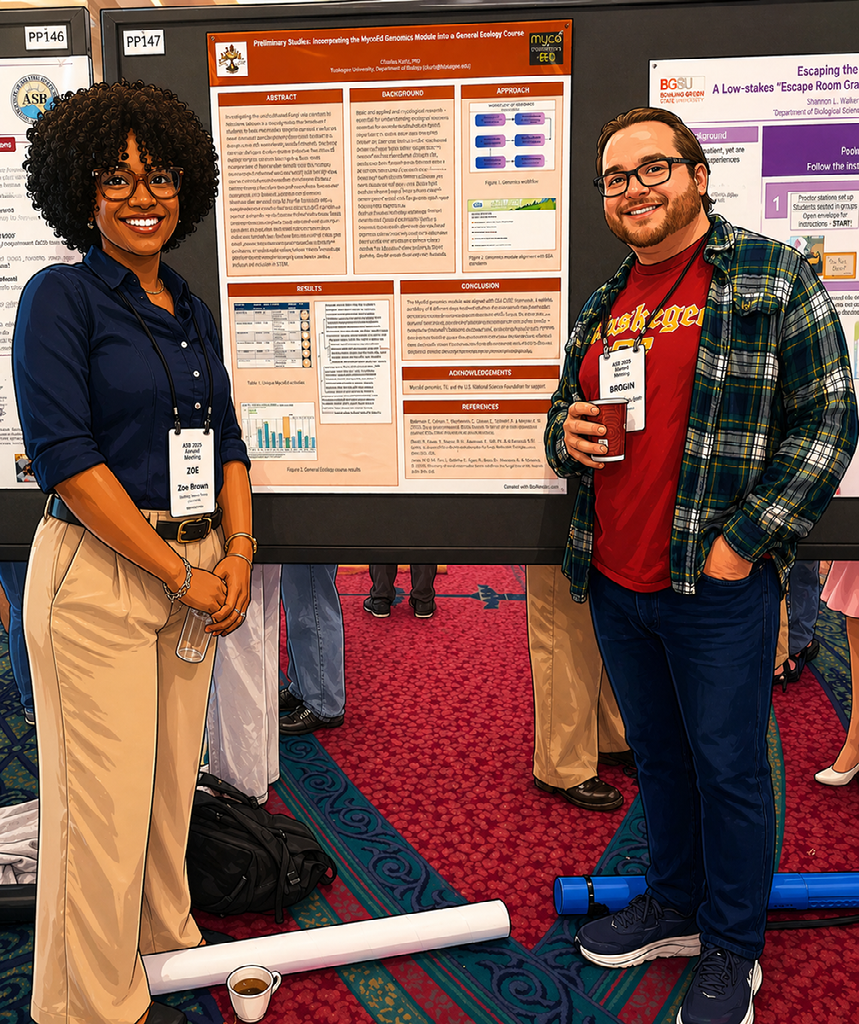
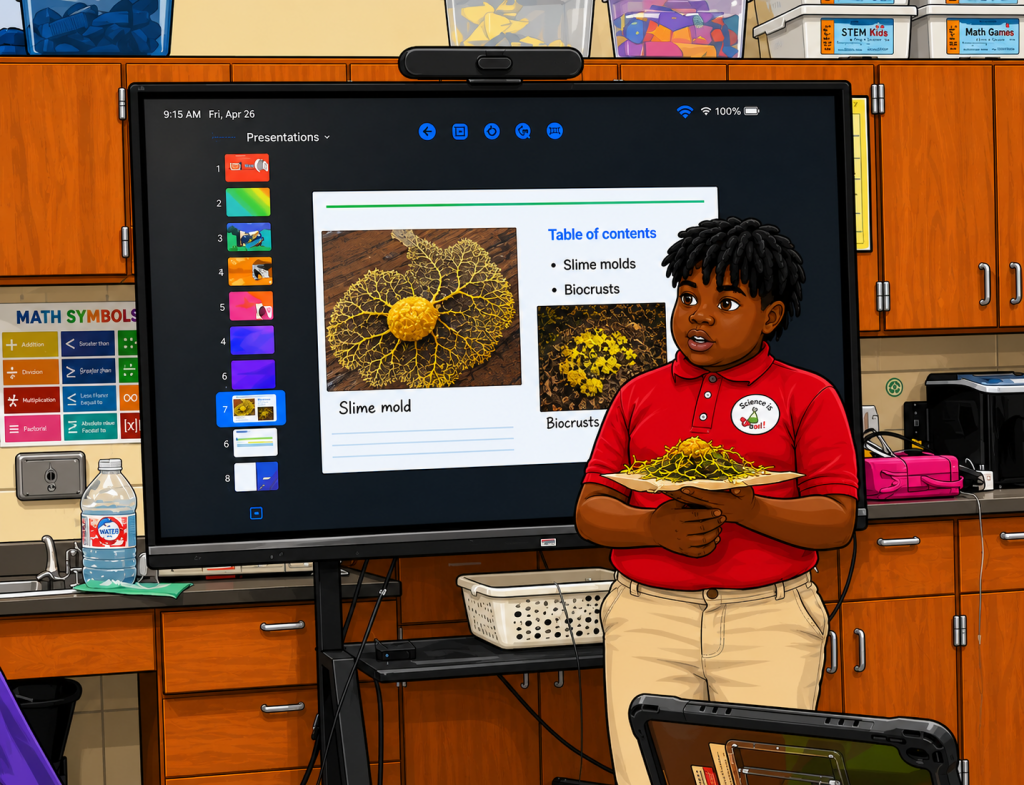
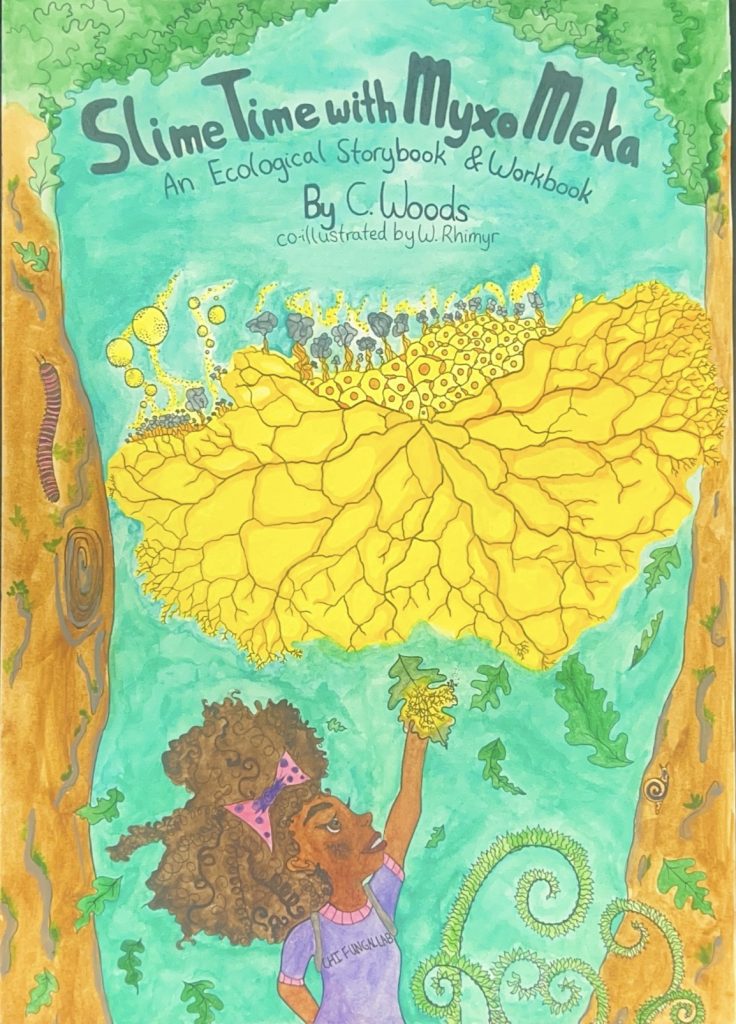
Two of Chinyere’s graduate students, Brogin Van Skoik and Carmen Woods, are drawing on the project’s findings to create digital teaching and learning resources. “It’s important to share findings with the wider community,” says Chinyere. “We want to create interest and increase awareness about these fascinating organisms.” A new eight-week learning and research programme called Summer Learning Interactive Mycology Experience (SLIME), will further these goals. “I hope that this project will provide training and funds to support young mycologists and ecologists to pursue their dreams,” says Chinyere.
 Dr Chinyere Knight
Associate Professor, Department of Biology, Tuskegee University, Alabama, USA
Fields of research: Mycology; microbiology; science education
Research project: Studying and cataloguing slime moulds while training the next generation of mycologists via the EAGER project
Funders: US National Science Foundation (NSF)
About mycology
Mycology is the study of fungi and fungus-like organisms, such as protists. As they have a more subtle role in our environment than animals or plants, fungi and protists often go unnoticed and slip under the radar. That means they are likely to hold important knowledge just waiting to be found – offering huge opportunities for future researchers. “There is plenty of room for discovery in the field of mycology!” enthuses Chinyere.
Because fungi and slime moulds are not such ‘glamorous’ species, money for mycology research can be hard to find. “Finding funding can be a challenge,” says Chinyere. “We tackle this by applying for funding from diverse sources and networking with other mycologists to work together and share opportunities.” As mycologists discover more about the importance of fungi and slime moulds to life on Earth, this has the potential to unlock more funding.
Chinyere is passionate about ensuring that mycology, and science in general, is accessible to all – a passion developed through personal experience. As a high school student, she attended the American Chemical Society’s Project SEED summer research programme, which was integral to her career. “For me, it was a critical turning point, allowing me to nurture my dreams and developing my desire to lead the next generation of young scientists,” says Chinyere.
Reference
https://doi.org/10.33424/FUTURUM690


Pathway from school to mycology
At school, useful subjects to take as preparation for a career in mycology include biology, chemistry, environmental science and mathematics. Other useful subjects include computer science and statistics.
Chinyere recommends taking university courses or modules in subjects such as ecology, microbiology and plant sciences (botany). Other areas of study that can lead to a career in mycology include anthropology and evolutionary or molecular biology.
Explore careers in mycology
Chinyere recommends seeking out local mycology communities or organisations to learn more and make connections with people working in the field. For instance, Alabama has a state mushroom society that provides educational and networking opportunities.
Tuskegee University offers a range of summer programmes for high schoolers and university students, including SLIME.
Meet Brogin
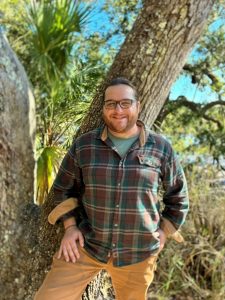 PhD Student, Tuskegee University, USA
Growing up, I was always curious about the natural world. I was especially drawn to biology and environmental science because they help to explain the living systems around us. That curiosity evolved into a deeper interest in organisms that are often ignored or misunderstood, like fungi or slime moulds.
I’m taking my PhD in the Integrative Biosciences programme with Dr Chinyere Knight. She is an outstanding mentor: supportive, gracious and genuinely invested in her students’ success. She creates an environment where you feel trusted and encouraged to grow, while being challenged to think deeply and independently.
I aim to become an independent researcher and educator. I want to continue studying microbial biodiversity, while mentoring students from diverse backgrounds. My long-term goal is to build programmes that combine research, education and outreach, especially for students who may not initially see themselves in science.
Tuskegee University has a deep history and a strong mission of excellence, resilience and service. Being a part of that legacy aligns with my ideals of making meaningful change.
Slime moulds challenge how we define living organisms and how we classify life on Earth. They have complex life cycles and are highly diverse, the details of which I’m helping to uncover. There is still so much we don’t understand about life, and this area of study helps expand what we know.
I’ve had challenges around access, resources and self-doubt. Graduate school can be demanding and it’s easy to feel overwhelmed. I’ve overcome these challenges by staying persistent, asking for help, and surrounding myself with great peers and mentors like Dr Knight. Struggling doesn’t mean you don’t belong – growth often happens in uncomfortable moments.
Brogin’s top tips
1. Stay curious, don’t be afraid to ask questions and find mentors who genuinely care about your growth.
2. Don’t compare your own journey to others’. Everyone’s path is different, and that makes science stronger.
Meet Carmen
 Undergraduate student researcher, Tuskegee University, USA
My love of STEM – ‘Seeking the Truth about Earth’s Mysteries’ – began at an early age. I had many teachers who were enthusiastic about STEM, and I joined the Engaging Youth through Engineering club when I was young. It’s important to have passionate, effective teachers.
I was granted the opportunity to participate in the SLIME internship programme. It was amazing to study alongside my peers and gain field and lab experience. We studied myxomycetes through sample collection, microscopy, taxonomy and DNA extraction.
I want to be a source of encouragement and guidance for students. After studying biology at graduate school, I plan to attend law school, focusing on educational policy and STEM development in southern states. I also want to collaborate with other changemakers to support communities in line with my faith.
I love the culture of hard work and scientific legacy at Tuskegee. Being a student here has grown my knowledge on the sciences, health and wellness, and public policy. It has ignited a new passion in me to carry the torch.
I believe that science is God’s creation. I am passionate about studying this creation and what solving its mysteries means for our lives and livelihoods. I appreciate and have so much gratitude for the pursuit of knowledge.
Initially, I struggled with learning how to study. Research is not just discovery; it involves investigation, problem-solving and the ability to pivot quickly. Surrounding myself with people who want me to succeed is a big motivator to keep going and stay passionate. Curiosity and open-mindedness have helped me countless times. Every internship and learning opportunity has taught me resilience, delayed gratification and persistence. I choose to work hard, trying to maintain the right balance of organisational skills, creativity and motivation to keep on going.
Carmen’s top tips
1. Seek lab placements, internships and conferences to figure out what you enjoy studying. Taking advantage of these moments will allow you to explore your passions and develop into a better scientist.
2. Make time to do the things that you enjoy outside of academia. Whether that is reading a book or painting a picture, do it!
Do you have a question for Chinyere, Brogin or Carmen?
Write it in the comments box below and they will get back to you. (Remember, researchers are very busy people, so you may have to wait a few days.)
Learn more about the microorganisms living in soil:
futurumcareers.com/what-lies-beneath-digging-into-the-soil-microbiome
0 Comments