
Where could atmospheric physics take you?
The Arctic is warming four times faster than the rest of the world, while in Texas, extreme weather events such as hailstorms are becoming more frequent and severe. Dr Naruki Hiranuma investigates what role atmospheric particles and clouds are playing in these changes. As an atmospheric physicist at the University of Texas at El Paso in the US, he hopes to improve our understanding of atmospheric ice and cloud formation and refine the physics theories that explain how clouds and precipitation form.
Talk like an atmospheric physicist
Aerosol – a nanoscopic to microscopic solid particle or liquid droplet suspended in the air (e.g., dust, pollen, sea spray, vehicle emissions, bacteria)
Albedo – a measure of how much light a surface reflects
Arctic amplification – the phenomenon of the Arctic region warming faster than the rest of the world
Ice-nucleating particle (INP) – an aerosol that provides a nucleating surface for water molecules to freeze on
Metagenomic analysis – an analysis of DNA extracted from a sample to identify organisms in the sample
Nucleation – the process of molecules clustering around a ‘nucleus’ particle
The air is full of particles, known as aerosols, which play a crucial role in cloud formation. They provide a surface for water vapour to be deposited or condense on, forming cloud droplets. “Ice-nucleating particles (INPs) are a subset of aerosols that can cause cloud droplets to freeze,” explains Dr Naruki Hiranuma, an atmospheric physicist at the University of Texas at El Paso.
Ice, clouds, precipitation and climate
“INPs play a major role in forming and dissipating clouds, and atmospheric ice formation is a crucial first step needed for precipitation to form,” Naruki continues. This means INPs have a significant impact on weather and climate, affecting things like rainfall patterns and cloud albedo (how much sunlight a cloud reflects). “Even though INPs are small and rare, they have a big impact on how clouds form and how the climate behaves,” says Jennifer Ofili, a student in Naruki’s research team. Naruki and his team are studying INPs in various locations and environments, such as Texas and the Arctic, to find out how they are affecting cloud formation globally and how this is being impacted by agricultural activities and climate change.
Why Texas?
Texas often suffers from severe hailstorms. It is also a major contributor to US cattle production, accounting for 42% of the country’s beef. Naruki and his team are examining the link between cattle ranches, INPs and extreme weather events. “I analysed samples of dust collected from cattle feeding stations to test whether the dust is a potential source of INPs,” says student Yidi Hou. “We want to understand what physical, chemical and biological characteristics of the dust contribute to atmospheric ice formation, as this is key for cloud formation.”
Why the Arctic?
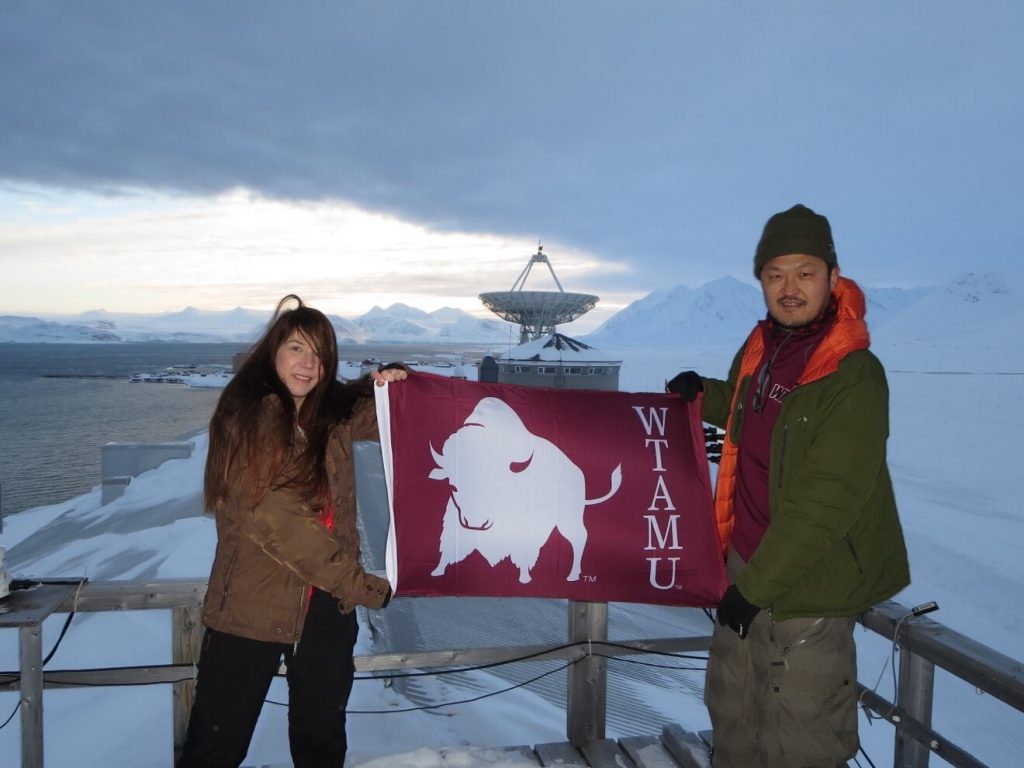
“The Arctic is warming four times faster than the rest of the world,” says Naruki. “Arctic amplification is altering sea ice coverage, climate and ecosystems.” Climate change is altering Arctic cloud formation, which in turn impacts the Arctic climate. In the world’s northernmost settlement in Svalbard and the northernmost city in the US, Utqiaġvik, Naruki’s team and their collaborators collect aerosols to see how they are impacting and being impacted by climate change. “To collect aerosols, ambient air is drawn into a sampling pump and aerosols are deposited on a membrane filter,” explains Ava Sealy, a student who participated in field studies. “These filters are shipped back to Texas for laboratory analysis.”
Analysing aerosols
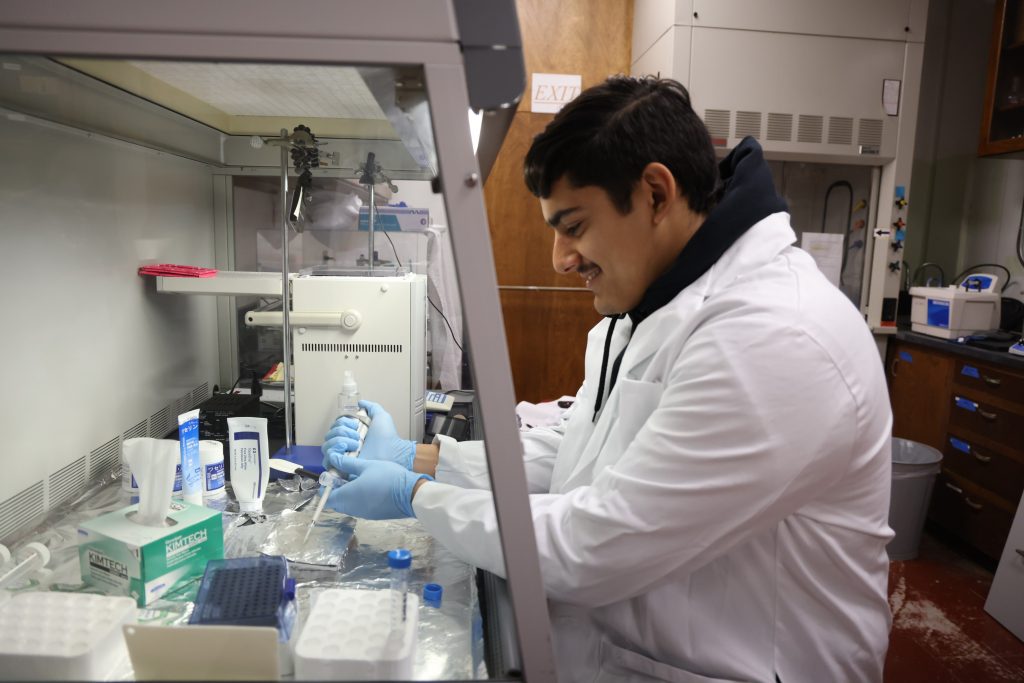
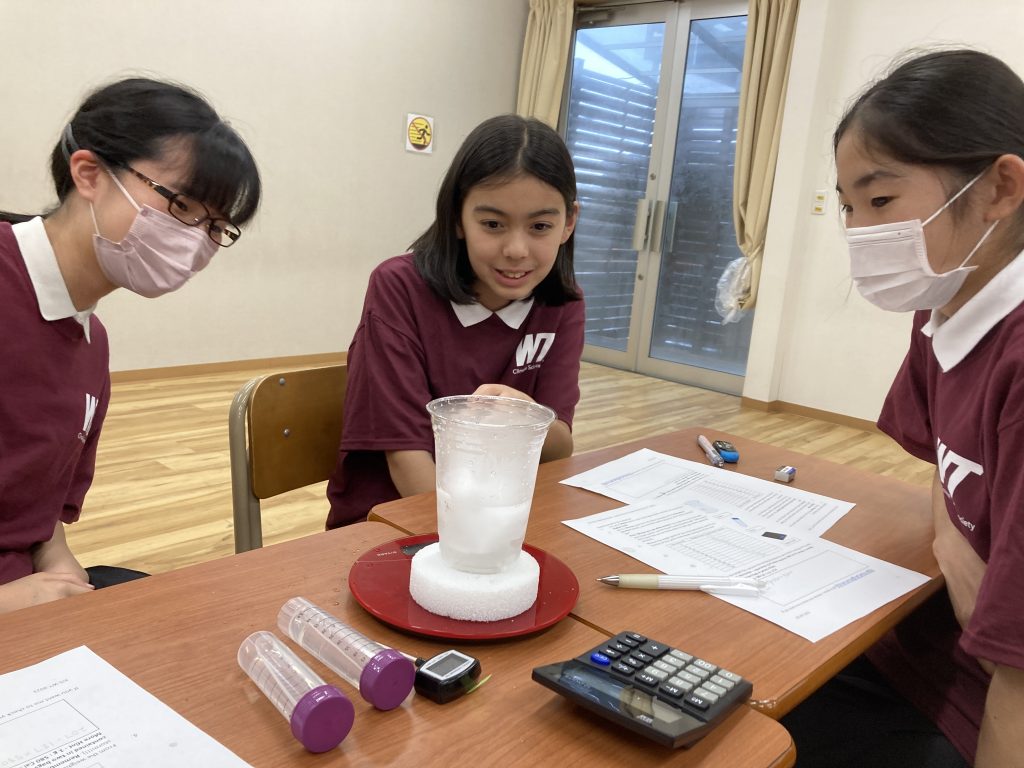
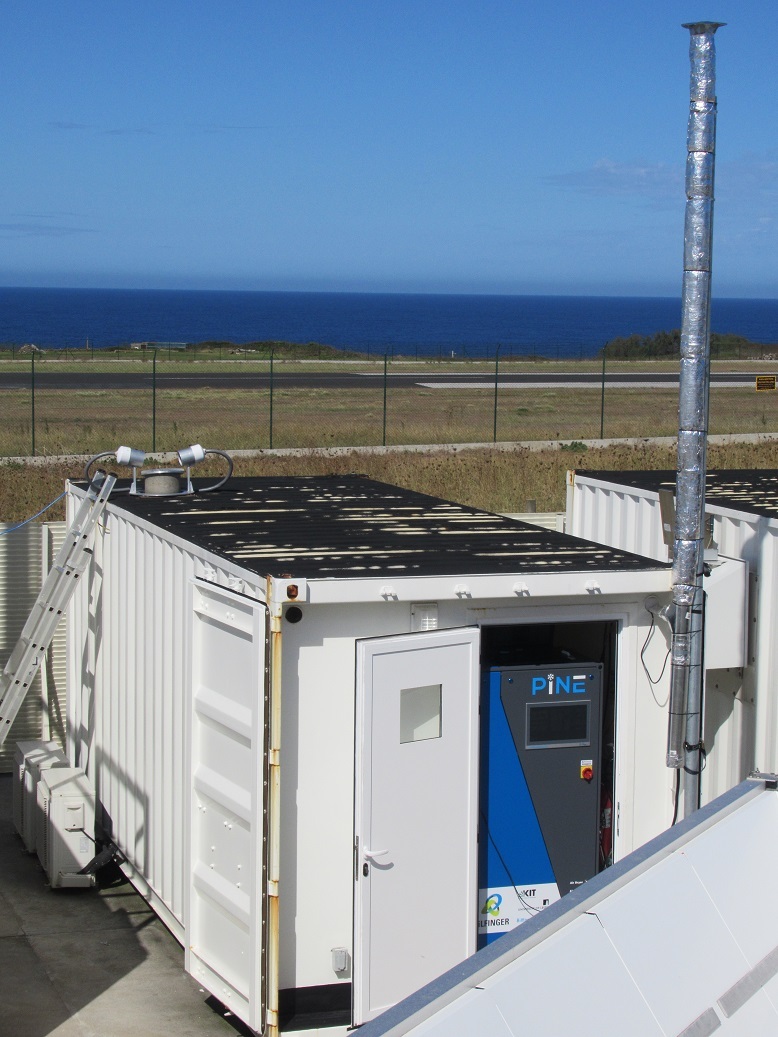
“In the lab, we subject aerosol particle samples to different conditions to observe changes in their physical and chemical properties, such as shape, freezing temperature and colour,” says student Nadia Reyna. The team’s freezing experiments include cooling tiny water droplets containing INPs to record what temperature they freeze at and using the portable ice nucleation experiment (PINE) chamber (a cloud simulation chamber that mimics atmospheric cooling) to trigger cloud droplet and ice crystal formation under controlled, simulated atmospheric conditions. The team also analyses the size and chemical composition of aerosols and uses metagenomic analysis to identify organisms in biological aerosols.
How are Arctic INPs linked to climate change?
The team has found that, in the Arctic, INPs originate from two sources: the land (e.g., soil dust) and the ocean (e.g., sea spray). “The rapid warming of the Arctic is causing significant glacier retreat, exposing long-buried soils and increasing aerosol emissions,” says Naruki. “These newly de-glaciated surfaces serve as emerging sources of INPs.”
“We also found that INP concentrations in the Arctic are significantly lower than global averages,” Naruki continues. “This means that even small increases in aerosol emissions (due to retreating sea ice leading to increased sea spray or retreating glaciers leading to increased terrestrial exposure) could have disproportionate effects on Arctic amplification.”
Importantly, this means that as the Arctic continues to warm, and snow and ice cover retreats, there will be more sources contributing to INPs and, therefore, an increase of INPs in the region. “We identified that the most active Arctic INPs trigger precipitation which reduces surface albedo,” explains Naruki. “This creates a positive feedback loop that further accelerates Arctic warming.”
How are cattle ranches linked to Texan storms?
“Our analyses revealed that in the Texas Panhandle, the highest levels of INPs are associated with the highest-intensity storms,” says Naruki. The team’s results also suggest a link between livestock operations and atmospheric composition in the area. “Using a cloud simulation chamber, we determined that livestock dust produces more INPs than typical soil dust,” says Naruki. However, while the team identified some biological aerosols as being bacteria from cows, none of the identified bacteria species are known to act as INPs. This suggests that the dust’s physical properties and/or organic contents are more important than its biological properties. “Our study concludes that cattle feeding stations serve as a substantial source for atmospheric INPs, potentially influencing regional cloud formation and climate,” says Naruki.
How is Naruki’s research advancing cloud physics?
Overall, the team’s results show that the impact of INPs is substantial in both regions: whether that is linked to a faster rate of Arctic amplification or an increased likelihood of severe weather events in Texas. The team’s research aims to understand how the tiny surface features of aerosol particles, including their shape and chemical makeup, affect ice formation in cold clouds high in the atmosphere. “By providing a missing molecular-scale perspective, we aim to improve existing physics theories about nucleation and better explain how clouds and precipitation form,” concludes Naruki.
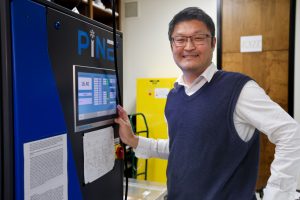 Dr Naruki Hiranuma
Department of Physics, University of Texas at El Paso, USA
Field of research: Atmospheric physics
Research project: Investigating the properties of ice-nucleating particles in Texas and the Arctic
Funders: US National Science Foundation (NSF); US Department of Energy (DOE); The Utah Department of Natural Resources
About atmospheric physics
“Atmospheric scientists study atmospheric phenomena, interpret meteorological data, and report on and forecast the weather and climate,” says Naruki. “If you are interested in science, want to apply your knowledge in real-world situations, and love the weather, then studying atmospheric physics would be an ideal career development opportunity!”

Reference
https://doi.org/10.33424/FUTURUM702
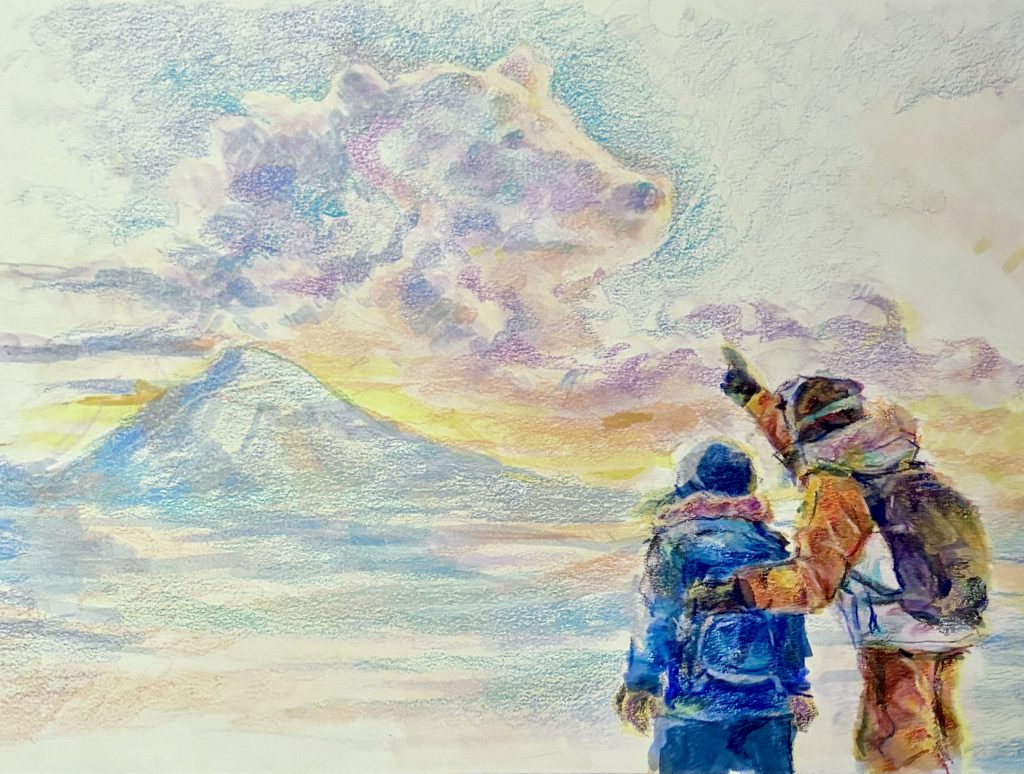
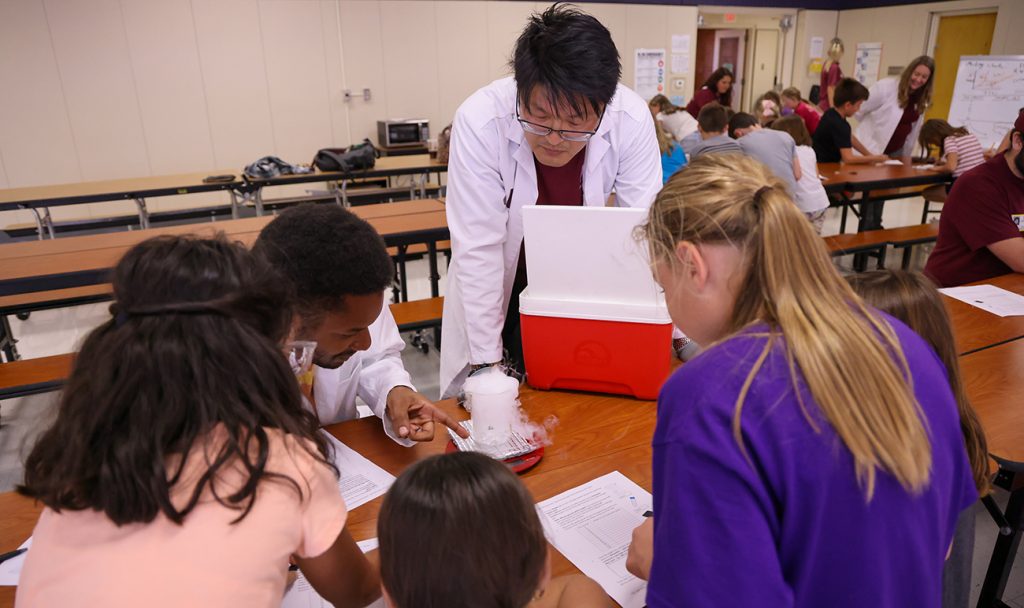


Naruki is keen to highlight the huge range of opportunities available to those with a background in atmospheric physics. For example, atmospheric physicists not only forecast the weather, they can also modify it! Cloud seeding is the process of artificially adding aerosols to the atmosphere to promote cloud formation and precipitation. It can be used to cause rainfall during droughts or suppress storms by ensuring precipitation falls before storm clouds become too large. Naruki has previously collaborated with a cloud-seeding company to study snowfall in skiing regions in Utah, and previous students have gone on to work in the weather modification industry: “My time researching physical atmospheric systems has directly informed my daily work improving a potential weather modification approach,” says one of Naruki’s previous students. “It enables me to translate theoretical concepts into practical experimental design for investigating water droplet interactions in clouds and fog under real-world conditions.”
Studying atmospheric science will prepare you for careers in many industries, including weather broadcasting. Ava now works in a commercial agricultural lab, applying the skills she learnt as a student: “Research is the foundation for developing and validating lab methodologies, then scaling them to industrial levels,” she says.
Naruki collaborated with engineers to design the PINE chamber that he uses for his cloud simulation experiments. By combining his physics expertise with the practical knowledge and skills of industry engineers, Naruki and the team created an innovative instrument that is now used by atmospheric research teams around the world.
Pathway from school to atmospheric physics
“Atmospheric physics is built on knowledge from diverse fundamental science disciplines, such as physics, mathematics, chemistry and biology, as well as social science,” says Naruki.
At university, a degree in physics, meteorology or atmospheric/environmental science would prepare you for a career in atmospheric physics.
“Atmospheric physics research is all about discovery,” says Naruki. “So don’t be put off if you find math intimidating.”
“Gain hands-on experience whenever possible,” recommends Yidi. This could include participating in simple experiments, science clubs or research-related activities. “Early exposure to scientific thinking and problem-solving will prepare you for future studies in this field.”
Explore careers in atmospheric physics
“Studying physics is a pathway to many different careers,” highlights Naruki. “A unique value of studying physics is the critical thinking skills you will develop – skills that are becoming ever more essential in the job market. So studying physics is vital for workforce development.”
Atmospheric physicists are in demand in the aviation, renewable energy and water industries, in organisations dealing with weather and climate forecasting, and in engineering firms. This includes roles with private companies as well as with state and federal agencies.
The Bureau of Labor Statistics provides a wealth of information about careers in atmospheric science, including the qualifications you will need and the pay you can expect: www.bls.gov/ooh/life-physical-and-social-science/atmospheric-scientists-including-meteorologists.htm
Naruki has collaborated with Rainmaker, a cloud seeding company aiming to reduce water scarcity by enhancing rainfall and snowfall: rainmaker.com
Meet the team
 Ava
Ava
My elementary teacher inspired me to study environmental science. She was a phenomenal mentor who encouraged me to conduct research projects on biodegradable plastic, methane as a fuel source and the carbon cycle.
In high school, I joined Future Farmers of America where I realised how misunderstood Earth sciences were within agricultural communities. This motivated me to become an advocate for environmental science, particularly to rural communities where agricultural and environmental systems are closely connected.
My trip to Svalbard exposed me to different cultures, research approaches and perspectives. The challenges (like the fact that my luggage got lost on the journey, so I only had jeans and hoodie to wear during a snowstorm!) improved my self-confidence and taught me resilience, adaptability and independence.
 Jennifer
Growing up in Nigeria, I saw environmental problems up close. Water shortages and pollution were part of everyday life. I was inspired to pursue environmental science when I realised it isn’t just about studying nature; it’s about solving real problems that affect people’s health, safety and daily lives.
Conducting research about INPs taught me so much beyond what I could have learnt in a classroom. I gained hands-on experience and learnt to communicate complex ideas in clear ways. One of my favourite parts was seeing atmospheric science, biology and data come together.
In the future, I want to find solutions for water security. I’m interested in how we can use science responsibly to improve rainfall patterns and reduce the risk of drought.
 Yidi
Yidi
My grandmother is a senior engineer working in the environmental field. She inspired me to study environmental science because her stories about her research projects and expeditions sparked my curiosity about how we understand and protect the environment.
Participating in an undergraduate research project greatly enriched my academic training and personal development. It gave me experience in experimental design, sample collection and data analysis, and strengthened my problem-solving skills, independence, resilience and ability to communicate scientific findings clearly.
One of the highlights was seeing how real environmental samples could be transformed into meaningful scientific data, which was particularly rewarding. The experience has solidified my interest in pursuing atmospheric and environmental research as a future career.
 Nadia
Nadia
Environmental science presented a new and exciting challenge for me. I already had a strong foundation in chemistry before becoming involved in the INP project, and I was eager to explore the physics behind environmental processes.
This research project was my first opportunity to work in a wet laboratory, where I gained hands-on experience with chemicals and lab techniques. Learning how to handle materials properly and record accurate data is essential in any scientific setting, and this experience strengthened those skills.
In the future, I hope to apply to medical school and pursue a career as a physician. Atmospheric physics research has helped prepare me for this path by strengthening my research skills and ability to work collaboratively in a diverse team.
Do you have a question for the team?
Write it in the comments box below and they will get back to you. (Remember, researchers are very busy people, so you may have to wait a few days.)

Meet another physicist who is also passionate about providing students with opportunities to conduct atmospheric science research – this time to investigate air pollution:
futurumcareers.com/how-can-community-engagement-projects-empower-stem-students
0 Comments