
How can Two-Eyed Seeing transform the way we teach?
In many classrooms, STEAM subjects are primarily taught through Western or mainstream scientific approaches. While these methods are powerful, relying on a single worldview can limit how students connect their learning to the world around them. To combat this, the Canadian organisation IndigeSTEAM Society is supporting teachers in adopting Two-Eyed Seeing – a framework that brings together Indigenous/traditional and Western/mainstream ways of knowing to create more meaningful, culturally-responsive learning experiences.
Students and teachers bring their own experiences, cultural backgrounds and ways of understanding the world into the classroom. These perspectives can enrich how learning takes place across the curriculum – not least in STEAM teaching, which uses a ‘Western’ STEM framework. The IndigeSTEAM team is helping teachers explore new ways of approaching teaching through the framework of Two-Eyed Seeing.
Originally shared by Mi’kmaq Elder Albert Marshall, Two-Eyed Seeing refers to, “learning to see from one eye with the strengths of Indigenous knowledges and ways of knowing, and from the other eye with the strengths of Western knowledges and ways of knowing, and using both these eyes together, for the benefit of all.”1 Two-Eyed Seeing enables the recognition of traditional knowledge as a distinct and whole knowledge system side-by-side with the mainstream system. IndigeSTEAM recognises that Two-Eyed Seeing encompasses all school and career ‘topics’. It is more than Indigenous and Western worldviews and includes the voices of all human cultures.
Why multiple worldviews matter in education
When STEAM subjects are taught only through a single worldview, learning can sometimes feel disconnected from students’ lives and local environments. Students may master facts and formulas, but struggle to see how their learning relates to themselves, their communities or real-world challenges. “Two-Eyed Seeing students continue to develop academic skills, but gain relational and ethical understandings, which are essential for addressing real-world challenges,” says Kaylee Shannon.
Teaching through Two-Eyed Seeing helps create space for a more complete understanding of how knowledge connects to the world around us. When students engage with both mainstream and Indigenous/traditional ways of knowing, they begin to recognise that knowledge can be both evidence-based and rooted in relationships, lived experience and responsibility. Two-Eyed Seeing is restorative because it brings Indigenous/traditional knowledge back into its rightful place as an equal partner to mainstream subjects like science, challenging the assumption that there is only one valid way to understand the world. Students see that multiple truths can coexist, strengthening one another. “It’s a pedagogical approach – a framework – that brings the strengths of both ways of knowing together,” explains Izzy Ward.
Two-Eyed Seeing in practice at IndigeSTEAM
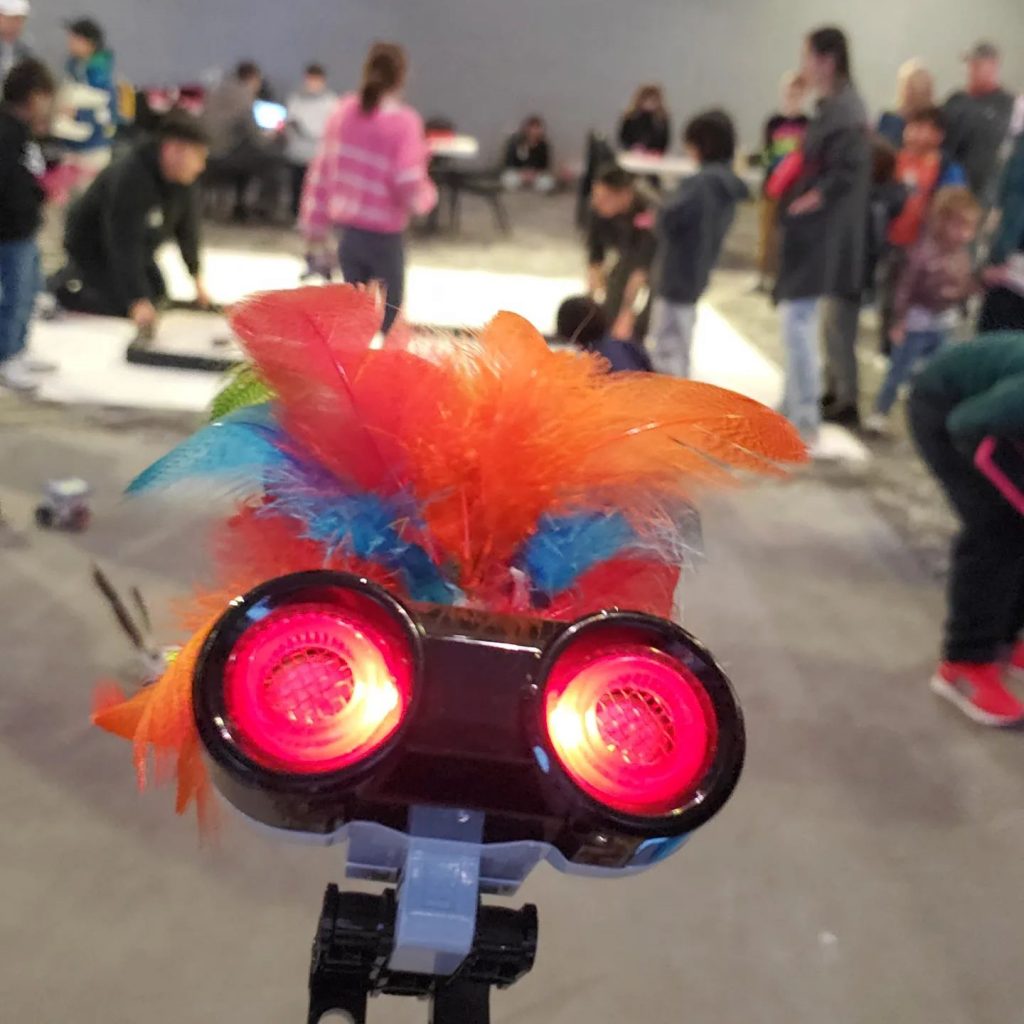
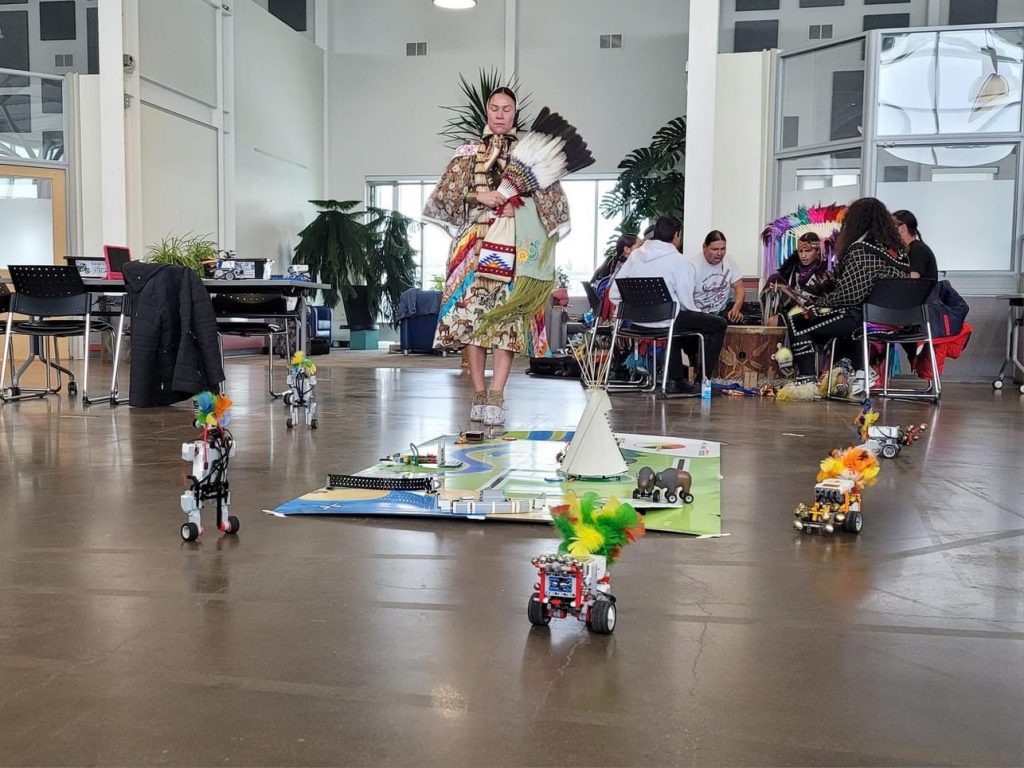
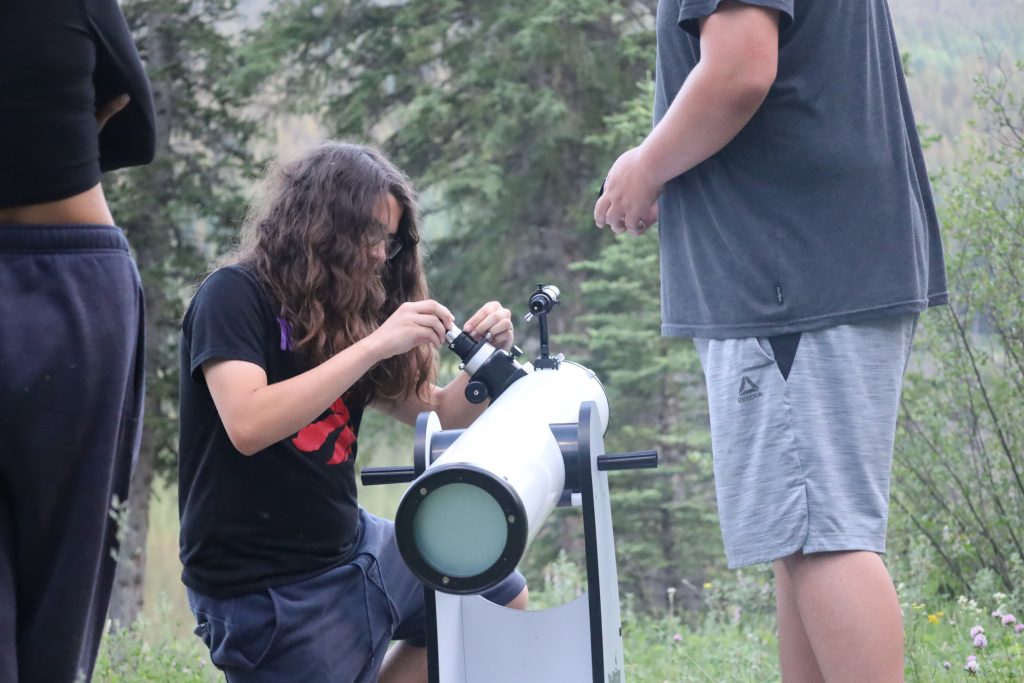
At IndigeSTEAM, Two-Eyed Seeing is experienced through hands-on programmes designed to bring Indigenous/traditional knowledge and mainstream STEAM learning together. “Through cultural teachings from community members side-by-side with guidance from scientific mentors and teachers, youth learn not only how the natural world functions through the two world views, but also to see the world with both eyes in a way that their Elders and scientist instructors cannot,” says Wendy Hutchins. IndigeSTEAM’s approach helps restore that balance by showing students and teachers that Indigenous knowledge is not an add on, but a complete way of understanding the world that complements the mainstream framework.
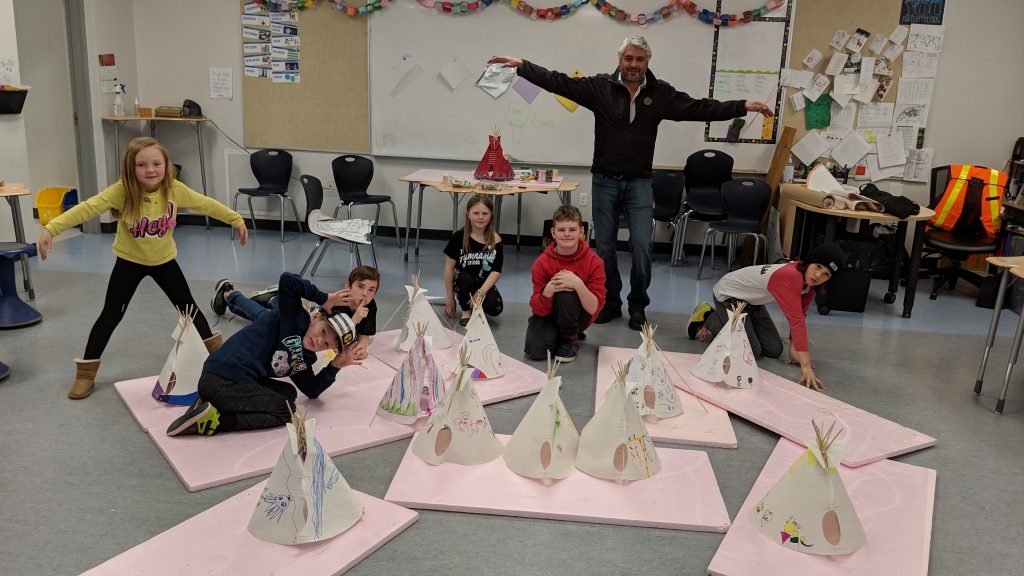
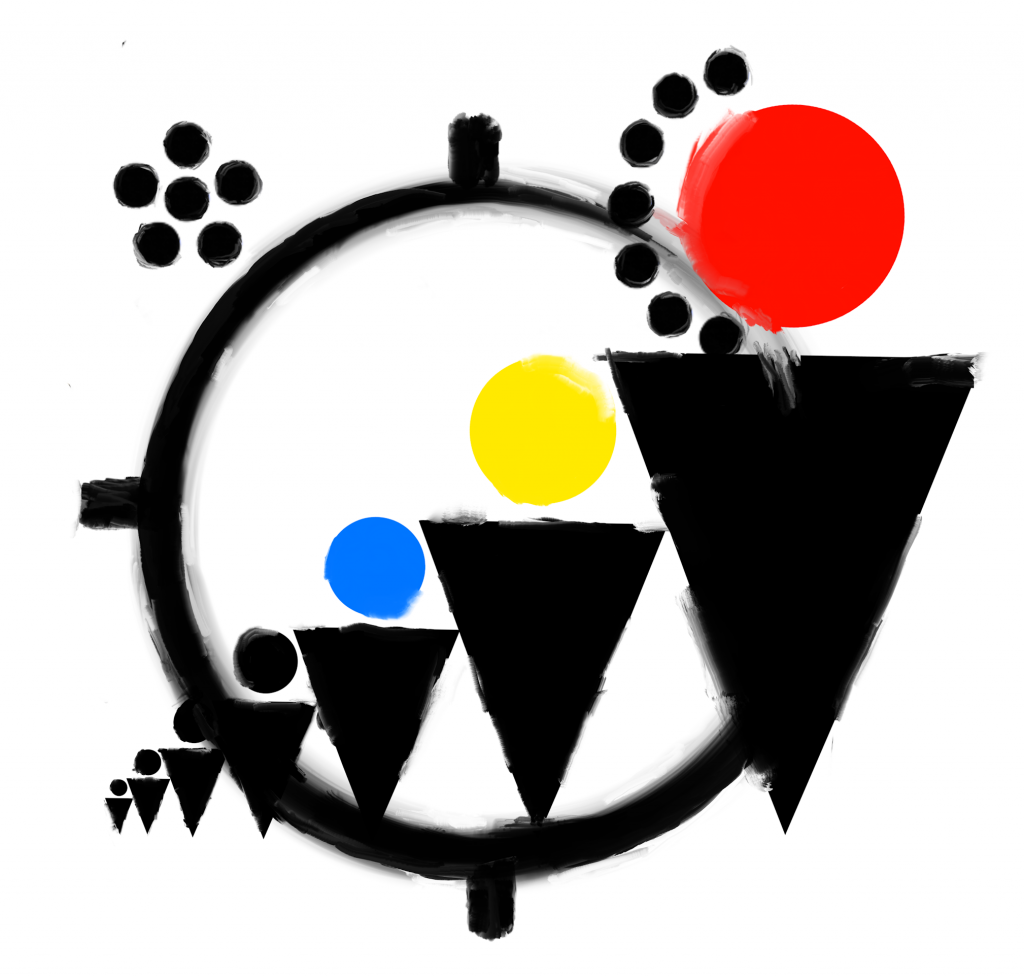
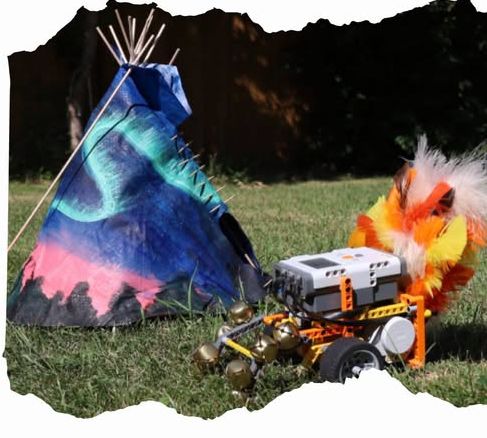
IndigeSTEAM’s best example of Two-Eyed Seeing teaching is their mini tipi workshop that combines tipi teachings with geography, history, symbology, mathematics, engineering, and many other aspects and focuses. A simple yet profound Two-Eyed Seeing concept is the side-by-side geometry of the circle and cone with Indigenous ‘geometry’ of the tipi shape representing a living human being: head, skin, ears, toes, teeth, mouth and more.
IndigeSTEAM sees the impact of Two-Eyed Seeing reflected in its alumni. Joe Wolfleg says, “It’s a practical tool for transforming how we communicate and connect.” For Joe, holding both knowledge systems together creates a greater perspective on the world, and has given him the confidence to move through Western spaces without having to question his Indigenous identity.
Two-Eyed Seeing in your classroom
“Two-Eyed Seeing recognises that each perspective offers valuable knowledge, and when they are used together, they can lead to deeper, more holistic learning and problem-solving,” explains Kaylee. “Two-Eyed Seeing is not about simply adding Indigenous content to existing lessons,” emphasises Sheila Norris. Instead, it invites teachers to reflect on how learning is designed so that multiple knowledge systems can be thoughtfully woven into the curriculum from the outset. For example, you could bring in scientists, speakers or story tellers from the local community, have students bring in stories from their cultural background, or include opportunities for place-based learning, where lessons are grounded in the local environment and students are encouraged to learn both from and about the land. It helps to ensure that learning remains connected to community knowledge and local contexts.
Rob Cardinal suggests making your teaching as authentic as possible: “Authentic teaching is actually teaching; it is not lecturing.” Learning from authentic voices such as Elders, Knowledge Keepers and community members allows students to hear stories and teachings that go beyond what textbooks can offer. Two-Eyed Seeing teaching appreciates that Indigenous Peoples are living, evolving communities whose knowledge continues to shape STEAM today. Students learn that knowledge is relational – shaped by land, community, identity and lived experience – and that learning becomes deeper when these relationships are honoured.
Two-Eyed Seeing as a way of being
Two-Eyed Seeing is more than an approach to teaching. “For teachers and students, this can look like approaching learning and decision-making with openness and humility by asking whose voices are included, whose are missing, and how different perspectives can work together,” says Kaylee. Living Two-Eyed Seeing means recognising the history of how Indigenous knowledge was marginalised and understanding the responsibility we carry to restore its voice, authority and rightful place in STEAM education. “Students can see that you care about what you are teaching,” says Rob. “Teachers should also be ready to learn right alongside their students.”
Two-Eyed Seeing is not just another teaching tool, or something secondary to Western/mainstream ways of educating. “The teaching behind Two-Eyed Seeing comes from each person’s identity, culture and lived experience to bring connection to each other and understanding on how our responsibilities are acted upon in the world,” says Sheila. “Teachers and students can live Two-Eyed Seeing by being curious, listening deeply, honouring knowledge they carry from home, and being open to learning from the land and each other.”
1Two-Eyed Seeing and other lessons learned within a co-learning journey of bringing together indigenous and mainstream knowledges and ways of knowing, Bartlett, Marshall and Marshall (2012) doi: 10.1007/s13412-012-0086-8
 IndigeSTEAM Society
Calgary, Alberta, Canada
Fields of research: STEAM education; Indigenous education
Project: Encouraging teachers to use Two-Eyed Seeing in their classrooms
Funders: Natural Sciences and Engineering Research Council of Canada (NSERC) PromoScience; Social Sciences and Humanities Research Council of Canada (SSHRC) Connections; Society for Canadian Women in Science and Technology; Indigenous Youth Roots; Stantec; University of Calgary; Heartland Generation Ltd
Website: indigesteam.ca
Advice for teachers
Getting started
Reference
https://doi.org/10.33424/FUTURUM707
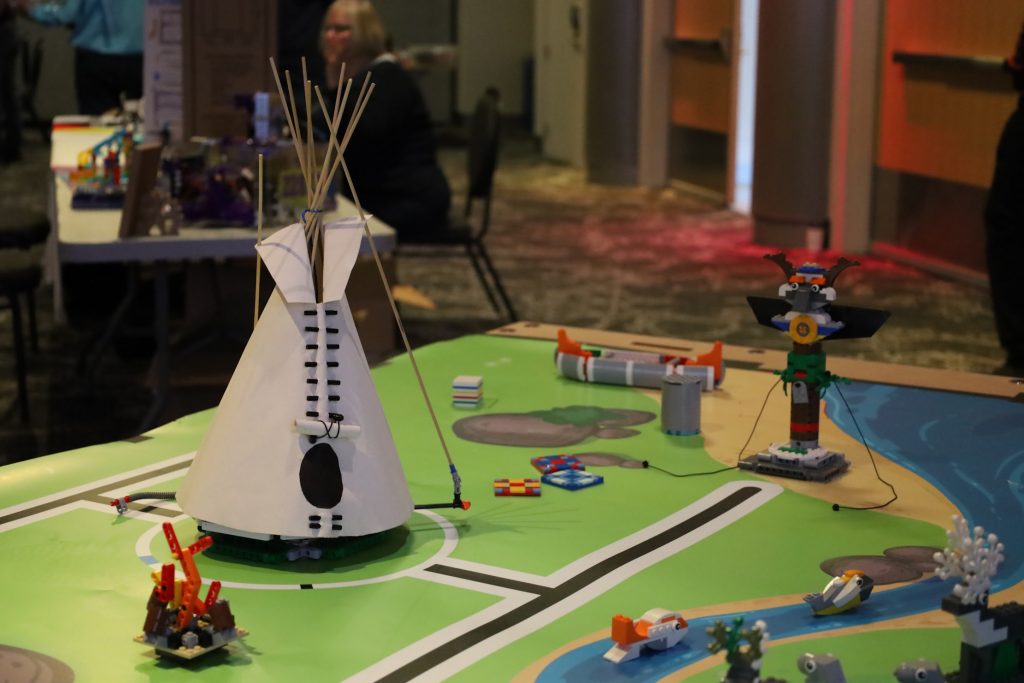
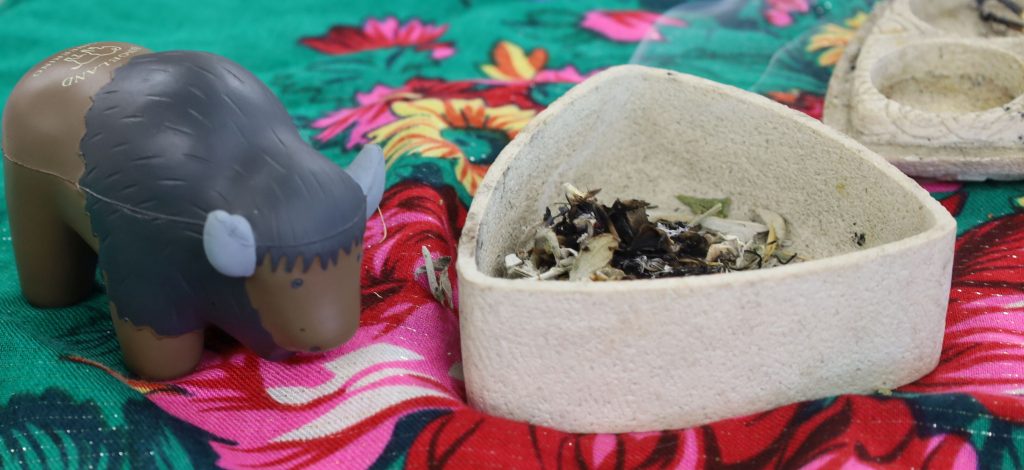
A smudge (herbs to be burnt) with a toy bison.
All images © IndigeSTEAM
Two-Eyed Seeing is best understood as something that grows through shared learning, relationships and ongoing reflection – rather than a method that can be learnt in a single training workshop. For teachers who are unsure how to begin, Two-Eyed Seeing does not require having all the answers in advance. “What matters is building authentic relationships and creating space for multiple ways of knowing in your classroom,” says Kaylee. This provides a space where every voice is heard and valued and shifts attention from delivering curriculum content to building relationships with students, the land and the wider community.
Working through challenges
Adopting a new teaching approach can feel unfamiliar at first, and it is normal for teachers to encounter challenges when exploring Two-Eyed Seeing in STEAM education. However, these challenges are not barriers, but starting points for reflection, learning and relationship-building. “Respecting the traditional knowledge is key. Appreciation is not appropriation,” explains Sheila. “Teachers are Knowledge Keepers who teach what they learn.”
“A common challenge is uncertainty about how to respectfully incorporate Indigenous perspectives without oversimplifying or misrepresenting,” says Rob. Building relationships can help address this, whether through connecting with local Indigenous communities, education teams, cultural organisations or Indigenous-led resources. Two-Eyed Seeing involves a shift in classroom relationships. Rather than a top-down model, it encourages shared learning where every voice is valued and the teacher is also a learner. This requires openness and vulnerability, as teaching becomes more relational and responsive. “When teachers are willing to be real with their students, Two-Eyed Seeing becomes something lived, not taught,” continues Rob.
It is important to acknowledge at the beginning of the lesson where the knowledge came from. “In a Two-Eyed Seeing way, we always acknowledge our teachers as we go rather than just giving references at the end,” says Wendy. Assessment can be challenging with Two-Eyed Seeing approaches, just as it can with inquiry, problem or project-based learning. Consider oral, artwork or theatrical-based assessments.
Practical examples of Two-Eyed Seeing in STEAM education
Two-Eyed Seeing can be woven into many familiar STEAM topics in ways that help students connect scientific concepts with relationships, responsibility and lived experience. “For example, when teaching the water cycle, students can explore the scientific processes of evaporation, condensation and precipitation through experiments, observations and diagrams,” says Kaylee. “At the same time, Indigenous knowledge offers teachings about water as living and sacred which connects all life.” Teaching could include local waterways, stories and discussions about caring for and protecting water. Together, these approaches help students understand water not only as a scientific system, but also as something deeply connected to community and the land. If on the land, students can explore topics such as navigation, plants, animals and ecosystems, while developing scientific skills such as observation and environmental testing. Ask the problem-based questions: ‘What problems do you see? What could we do? Should we?’ Let the students learn from each other.
Meet the team
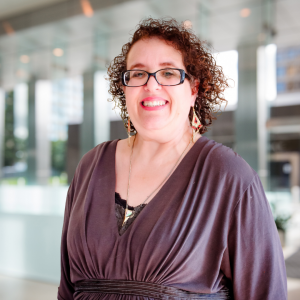 Sheila Norris, Cree Métis, IndigeSTEAM Executive Director, Education Assistant
I try to live in a way that honours relationships with people, the land and myself. This comes with a responsibility to consider how my actions will affect the next seven generations, so I approach situations with respect, love and humility. Two-Eyed Seeing is a reminder that I am strongest when I allow both ways of knowing to guide me. I do not have to choose between one way of knowing or another.
 Wendy Hutchins, Ally, IndigeSTEAM Co-founder and Treasurer, PhD Microbiology and Immunology
As an educator, I believe learning must be relevant to students’ lives or they will not see its importance. I learned more from reflection, reading and exploring in the world than from memorising facts for exams. Indigenous ways of knowing return us to older apprenticeship models, learning in the world, on the land, with a mentor, and with deeper thought than rote memorisation.
 Kaylee Shannon, Gambler First Nation, IndigeSTEAM Education Manager, BEd
Two-Eyed Seeing shapes the way I see and live in the world. It fuels my curiosity and reminds me that there’s so much to learn. It guides how I live my life and how I teach my children to notice, respect and learn from the world in all its ways. I share the teachings and traditions I learnt from my grandparents with them, and we talk about what they mean today.
 Izzy Ward, Métis, IndigeSTEAM Education Director, BSc Neuroscience, MEd
As an Indigenous person, I am guided by our traditional ways of knowing and being, and Two-Eyed Seeing helps me hold that cultural knowledge alongside my work in Western science and education. Living this way gives me confidence and harmony in how I understand the world, and it helps Indigenous learners see their culture reflected in their academic studies.
 Rob Cardinal, Siksika First Nation, IndigeSTEAM Co-founder and President, BSc Astrophysics
Two-Eyed Seeing has become a natural part of how I view the world. It shapes how I approach people, situations and challenges. It gives me a broader, grounded perspective and reminds me to move with humility, respect and gratitude – values that guide my relationships and decisions.
 Joseph Wolfleg, Siksika First Nation, IndigeSTEAM Youth Project Manager and Alumnus
I live Two-Eyed Seeing by using both my cultural teachings and my learning together in everyday life. My culture guides how I understand relationships, responsibility and community, while STEAM helps me understand how things work. Two-Eyed Seeing gave me the confidence to be myself in every space; I do not have to choose between worlds. It showed me that my identity and the knowledge I carry from home are strengths I can use in school, work and with the younger students I support.
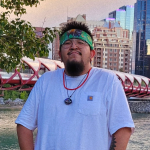 Joey Big Snake, Siksika First Nation, IndigeSTEAM Artist in Residence, BFA Media Arts & Digital Tech
For me, Two-Eyed Seeing is about carrying Indigenous and Western ways of knowing with respect, allowing them to support one another without one overpowering the other. It is a way of walking in both worlds while staying grounded in culture, spirit and community. My artwork reflects that relationship and the responsibility of carrying teachings forward in a good way.
Do you have a question for the team?
Write it in the comments box below and they will get back to you. (Remember, researchers are very busy people, so you may have to wait a few days.)
Discover how traditional ways of knowing can enrich geoscience education:
0 Comments