
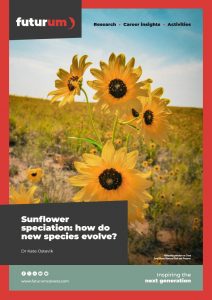
Sunflower speciation: how do new species evolve?
Have you ever wondered why some flowers look and smell so different from one another? The answer lies in the mysterious workings of evolution, the process responsible for the boundless variety of life on our planet. By studying how new species of flowers evolve, Dr Kate Ostevik from the University of California Riverside in the US hopes to improve our understanding of this process and allow us to better protect Earth’s precious biodiversity.
Talk like an evolutionary biologist
Allele – one of two or more versions of a gene that differ in DNA sequence
Chromosome – a thread-like structure made of DNA and protein that contains an organism’s genetic information
Population – a group of organisms of the same species that live in the same area and interbreed
Speciation – the process by which populations evolve to become distinct species
Sterile – unable to produce offspring
Structural variant – a change to the position of a DNA sequence or the number of times it appears in a genome
Viable – able to survive and develop normally
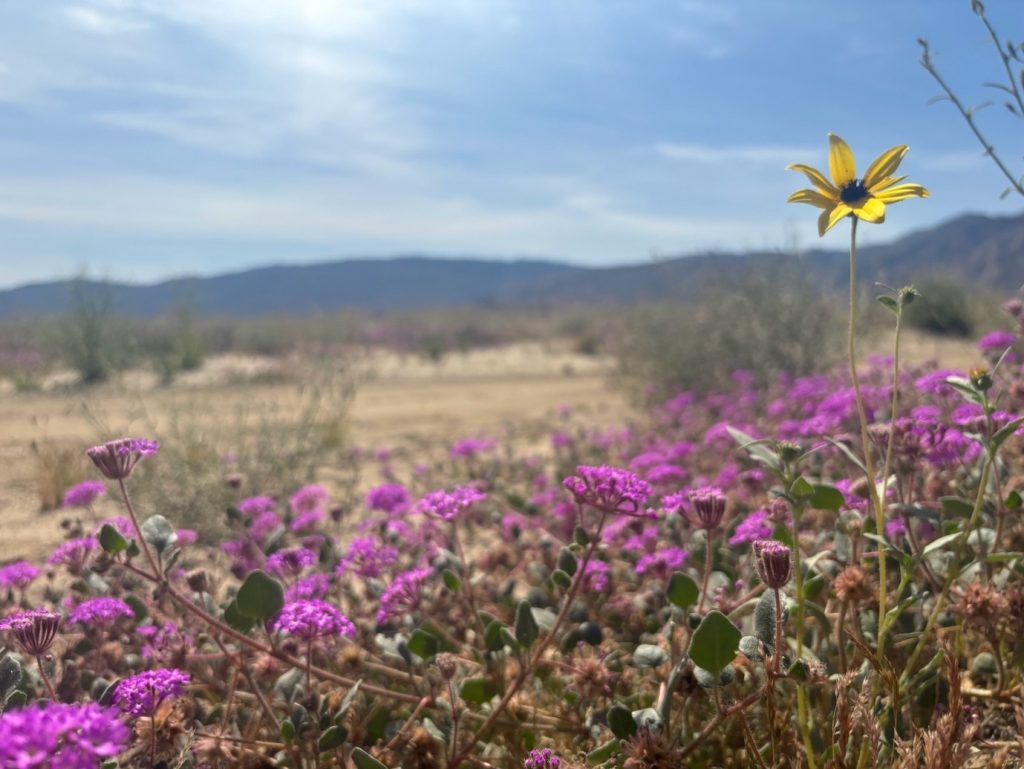
Why are daffodils yellow? Why do roses smell so sweet? Why are sunflowers so tall? Flowers exist in a wonderful variety of shapes, colours and smells, and it’s all thanks to the process of evolution. Over immense spans of time, populations adapt to better face the challenges that life throws at them. As they do, new species emerge, adding to the incredible diversity of life on Earth.
“When populations of the same species live in different environments, they face different challenges,” explains Dr Kate Ostevik from the University of California Riverside. “Facing different climatic conditions, such as droughts or freezing temperatures, and interacting with different co-habitants, such as predators or pollinators, can drive the process of speciation.” Over time, natural selection favours traits that help each population survive and reproduce in its own environment. “As these differences build up, the populations can become so different that they can no longer successfully reproduce with each other,” explains Kate. “When that happens, they have become separate species.”
Speciation in the same place
Sometimes, the process of speciation can take place even when species live in the same habitat. In these cases, it’s not geographical barriers (such as mountain ranges and rivers) that prevent gene flow between populations, but reproductive barriers. “These are incompatibilities that stop two species from mating or producing viable offspring,” explains Kate. “For example, having different mating seasons or flowering at different times prevents two species from reproducing.”
Other species are able to mate, but their hybrid offspring may be sterile or unable to survive for very long. This is sometimes the result of structural variants: changes in the structure of chromosomes, such as sections of DNA being flipped or moved. “When these changes occur, they can reduce the successful mixing of DNA during reproduction,” explains Kate. “Even if individuals from different species mate, these chromosome differences can make offspring less likely to survive and reproduce.”
Evolving in parallel
Structural variants also play a key role in parallel evolution which happens when different populations independently evolve similar traits because they face similar challenges. Normally during reproduction, alleles (specific versions of genes) are reshuffled, meaning that advantageous alleles can be split up. However, structural variants can help to keep important groups of alleles intact. For example, if a section of a chromosome is inverted, it can no longer pair with a normal chromosome, preventing any of the alleles at inverted genes from being reshuffled. If the inverted section of chromosome contains advantageous alleles, they can all be passed down to offspring in a single, protected unit, making it easier for the same traits and reproductive barriers to evolve repeatedly.
“Structural variants can act like shortcuts that help evolution happen in similar ways for different populations,” says Kate. Think of the structural variant as a protective container with useful tools inside. These tools are the advantageous alleles that help a population survive in a particular environment or overcome a particular challenge. When isolated populations use the same genetic tools to solve a similar problem, parallel evolution occurs.
Studying sunflowers
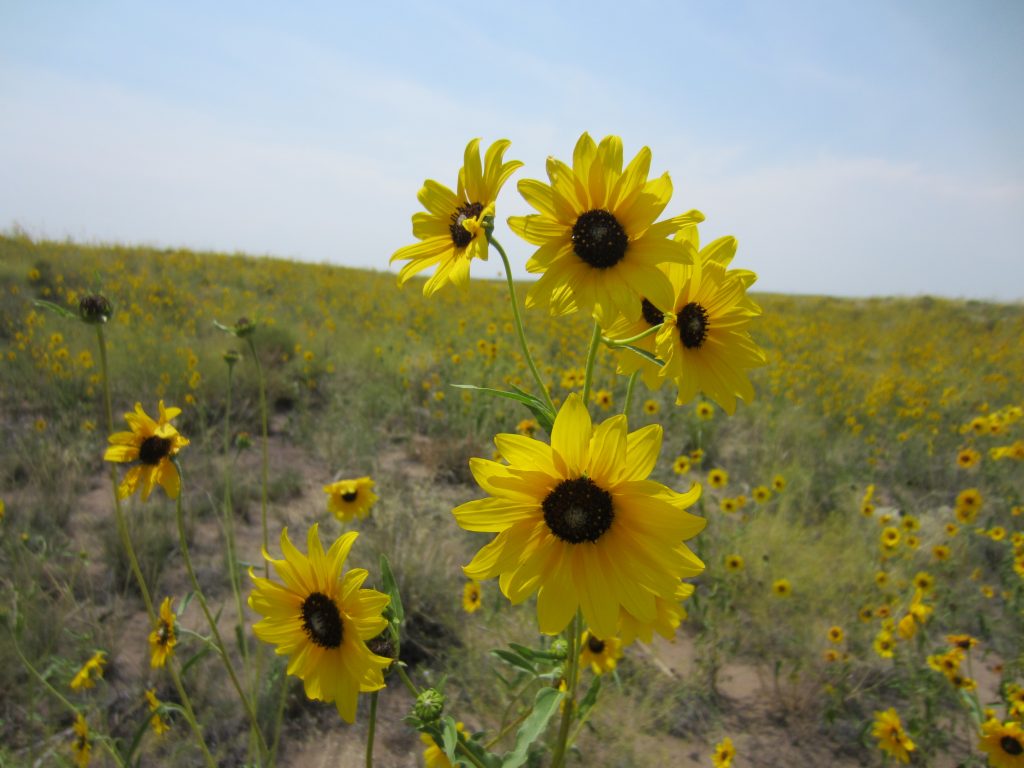
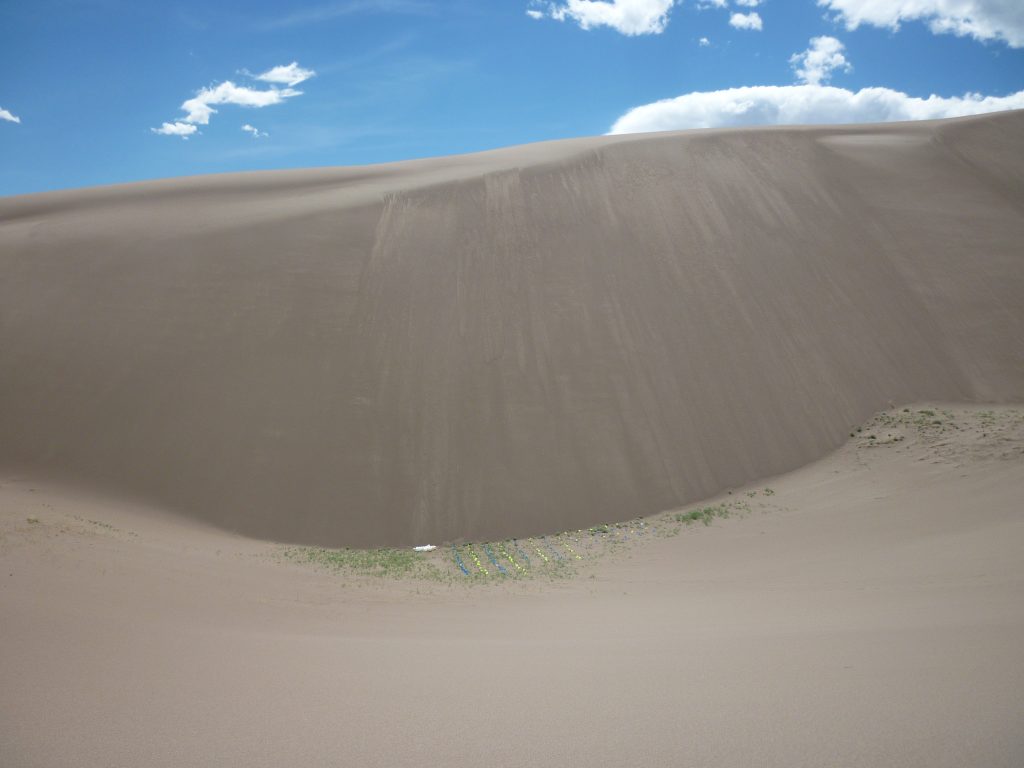
“Sunflowers are useful for studying evolution because they have adapted to similar environments, like sand dunes, in different places across the US,” says Kate. “This means we can study whether the same kind of environment is leading to the same kind of evolutionary changes over and over again.”
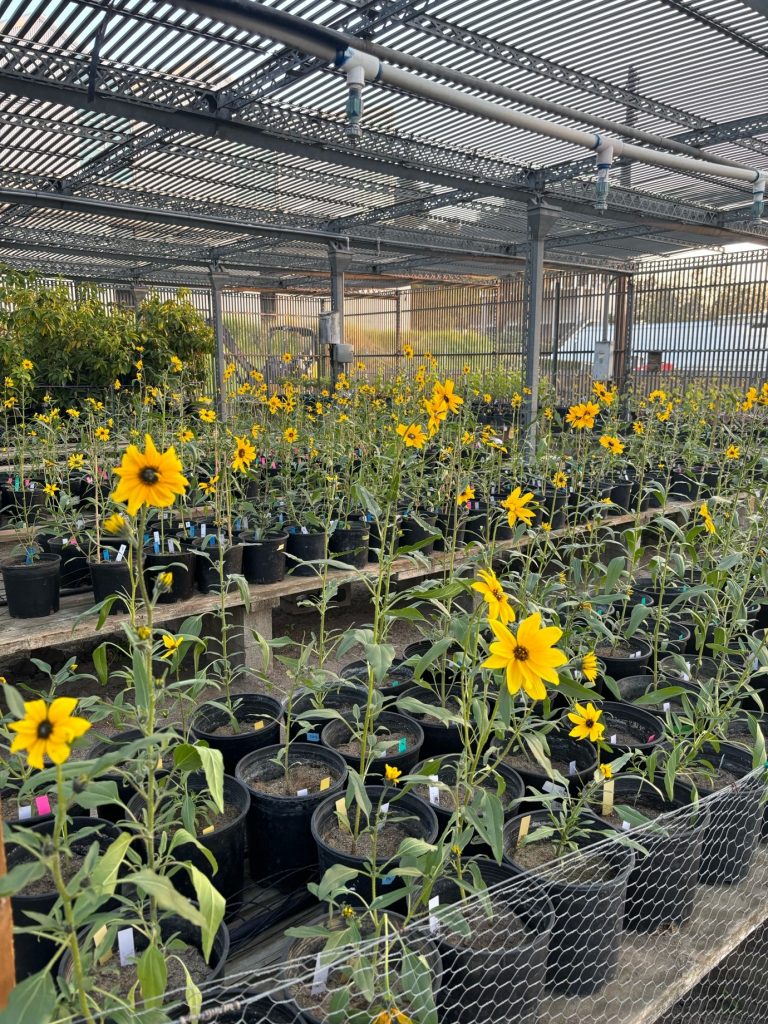
Previous research has shown not only that dune sunflowers regularly develop reproductive barriers with non-dune sunflowers, but that these dune sunflowers often have structural variants. “This makes us wonder if dune sunflowers in different places are independently becoming new species in the same way,” says Kate. “My team is testing this by measuring reproductive barriers within and between dune and non-dune sunflowers. We are also using greenhouse crosses and genetic analyses to understand how the genes within structural variants help in dune environments and cause reproductive isolation.”
Kate’s research will improve our understanding of how new species form and whether that process is predictable. “This is important because if we can predict when biodiversity is generated, this might also help us predict when it will be lost,” explains Kate. “Preserving biodiversity is important because it keeps ecosystems functioning, supports human life and helps organisms adapt to a changing world.”
Learning on the job
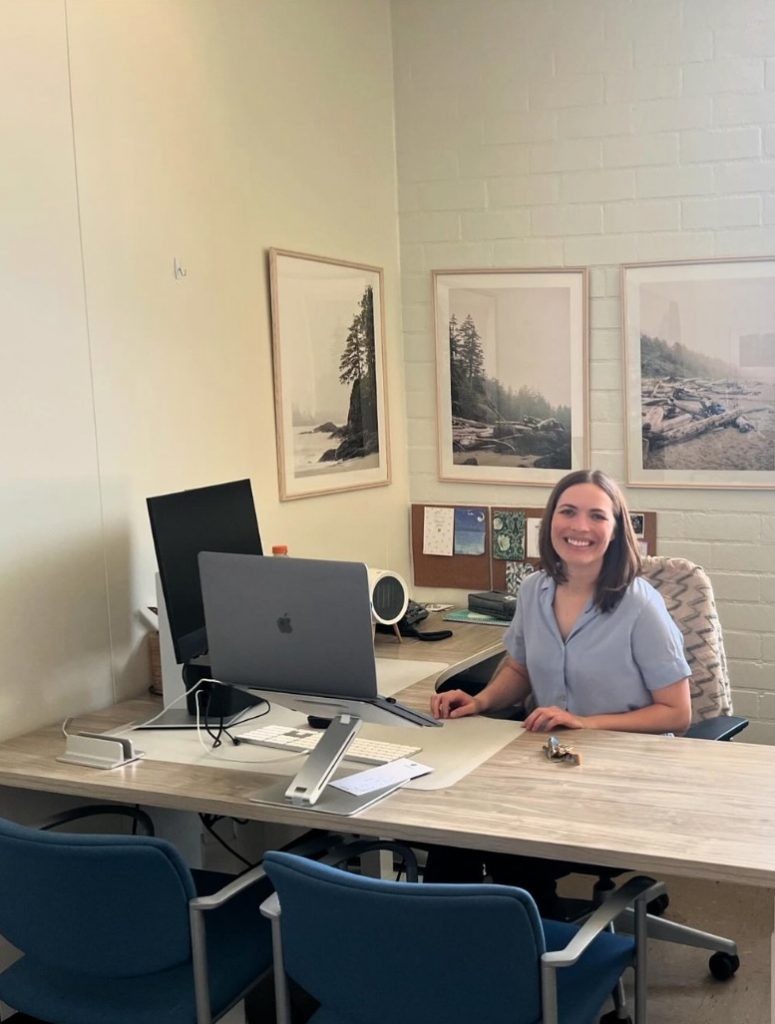
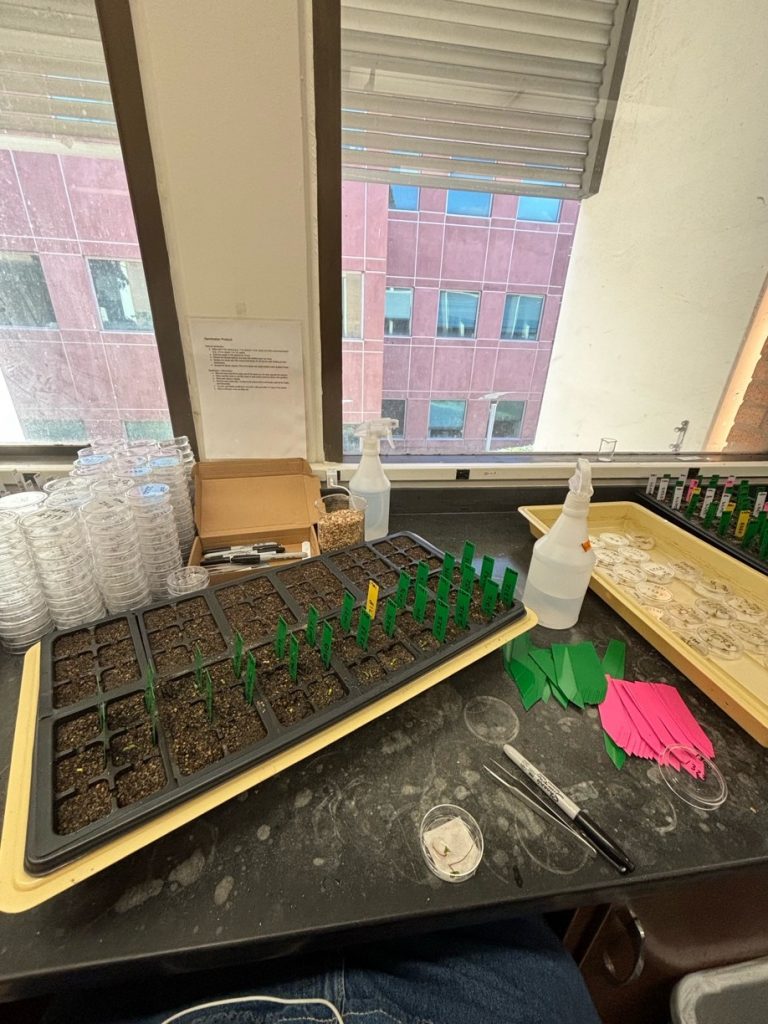
Kate has integrated students into her research team, helping them learn and gain hands-on experience of evolutionary biology research. “Graduate students, such as Teddy Reitman, work full-time on the project and help lead different parts of the research while undergraduate research assistants, such as Yu Tian, contribute to data collection, experiments and analysis,” she says. “I also incorporate aspects of this project into a first-year undergraduate class. Students help determine which sunflowers successfully fertilised seeds by learning how to genotype both parent plants and their offspring.”
By providing these opportunities to students, Kate is training the next generation of evolutionary biologists. “Stay curious and get involved as early as you can,” she says. “Explore different interests and build connections with people who support you, because those experiences and relationships can really shape your future.”
 Dr Kate Ostevik
Assistant Professor, Department of Evolution, Ecology and Organismal Biology, University of California Riverside, USA
Field of research: Evolutionary biology
Research project: Investigating the speciation process in sunflowers
Funders: This material is based upon work supported by the US National Science Foundation CAREER Program under Award No. 2443424.
Website: osteviklab.com/home
About evolutionary biology
Evolutionary biology investigates the ways in which life on Earth evolves, adapts and changes over long periods of time. The field makes use of information and techniques from many other disciplines including genomics, ecology, developmental biology and palaeontology.
“Evolutionary biologists, like all scientists, try to resolve unanswered questions, which means working at the edge of knowledge,” says Kate. “Because of this, experiments do not always work, data can be messy and we sometimes get things wrong. This is a normal and important part of science, and overcoming these challenges requires persistence, careful testing of ideas and collaboration with others.” Kate recommends developing a ‘growth mindset’ and recognising that mistakes are part of the learning process. Building a strong network of collaborators and mentors who can offer guidance, new perspectives and support will also be helpful.
“My time as an evolutionary biologist is split between analysing data, writing scientific papers and grant proposals, meeting with students to guide their research, and teaching classes,” says Kate. “There are also exciting moments when my schedule looks very different. For example, I sometimes spend a lot of time in the field collecting seeds, working in the greenhouse to grow and maintain plants, and attending conferences to share and learn about research.”
Pathway from school to evolutionary biology
To work in evolutionary biology, it’s important to build a strong foundation in evolution, ecology and genetics, because these topics help you understand how species change and interact with their environments. “Some less obvious (but also important) courses include statistics, coding and writing,” says Kate.
“It’s helpful to get involved early,” says Kate. “Try volunteering on a project, participating in community science initiatives or talking to biologists about research opportunities.”
Look for events at your local universities such as summer schools or outreach programmes. These are great ways to get experience and learn more about how to become a scientist.
Reference
https://doi.org/10.33424/FUTURUM706

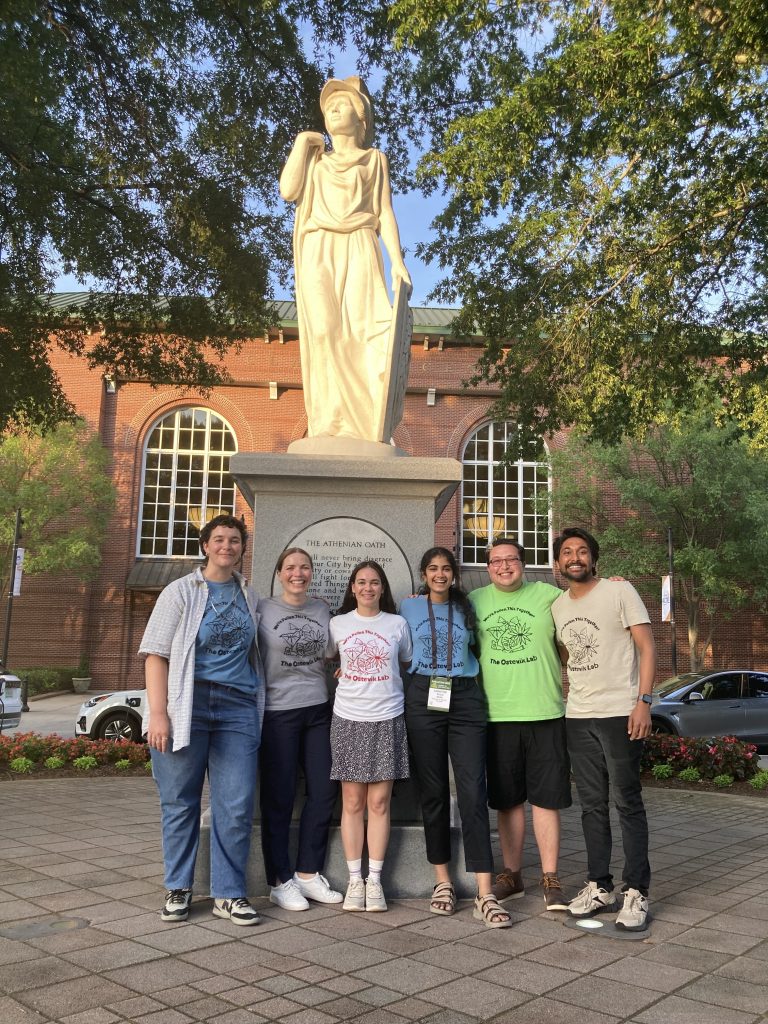
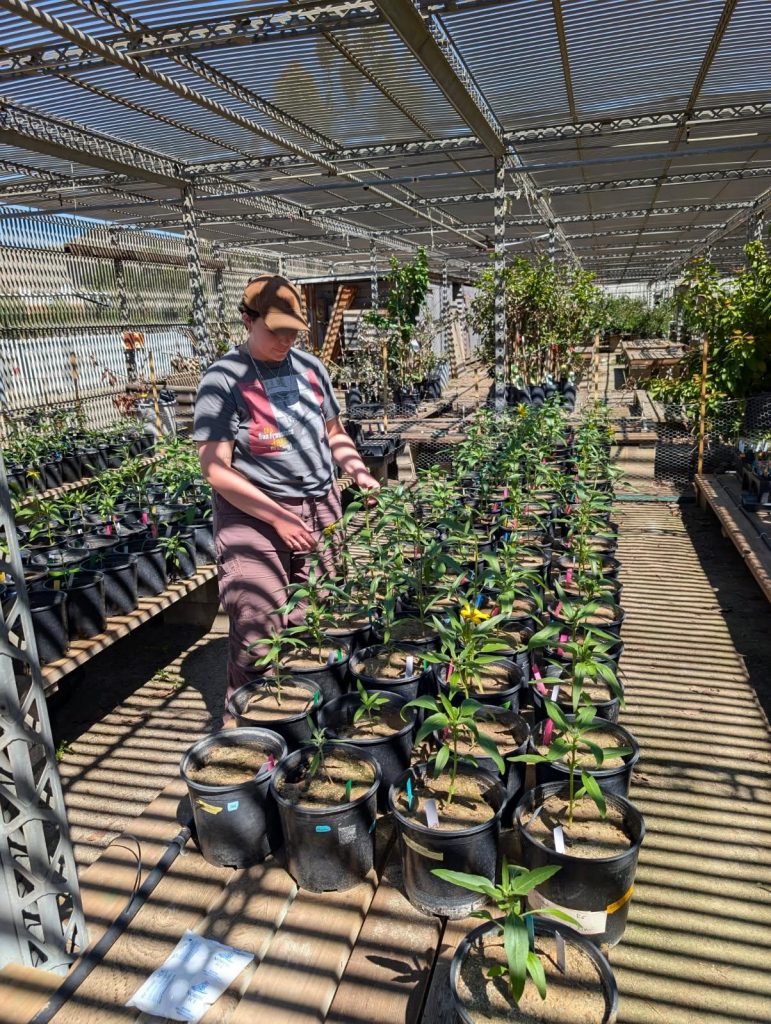
Explore careers in evolutionary biology
Career opportunities in evolutionary biology are very broad and include research, conservation, environmental consulting, agriculture, biotechnology, science communication, education and data science.
Kate recommends exploring the resources of academic societies such as the Society for the Study of Evolution to learn more about careers in the field.
Meet the team
Kate
As a teenager, I loved plants, animals and spending time outdoors, and I knew early on that I wanted to be some kind of scientist. However, I didn’t fully connect those interests until my first years of undergraduate study, when I started meeting evolutionary biologists and realising I could turn my curiosity about the natural world into a career studying how species evolve and adapt.
I never find my job boring. There’s always a new question to explore, and I get to do many different types of work, such as fieldwork, data analysis and teaching. I find a lot of meaning in my role as a mentor, where I help students learn, grow and develop their own paths.
I am curious, adaptable and not easily discouraged or offended, which makes it easier to take feedback and keep improving.
Kate’s top tip
Be okay with making mistakes – science is all about trying things, learning and improving.
Teddy
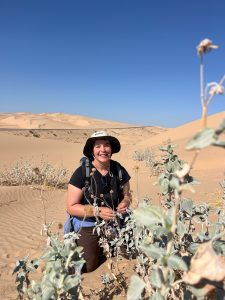 As a teenager, I was interested in becoming a doctor. However, once I entered college, I realised that I was more interested in being outside and discovering things about the natural world than spending time in a hospital.
Science is a march towards discovery, and failure is an inherent part of the process. When we accept this fact, we can learn from failure. For instance, in my first year of working in the Ostevik Lab, I struggled to grow a cohort of sunflower seeds. Further investigation suggested that larger seeds outperformed smaller ones, and this finding led to Yu conducting a follow-up experiment that is now being prepared for publication. Even the most unexpected outcomes are worthy of further exploration.
The Covid-19 pandemic was a challenging time to be a student. Having to attend school remotely made it difficult to gain research experience. Nevertheless, I reached out to faculty to ask if and how I could still be involved in their research. Asking people about their research is a great way to get your foot in the door, even if you have to do it over Zoom. You might gain exposure to an aspect of research that really interests you.
Teddy’s top tip
Find people who have similar interests to you. Peer support is a critical part of research. These relationships can provide support in difficult times and develop into professional collaborations in the future.
Yu
 I have been interested in biology since I was young. In elementary school, I received a microscope as a birthday present. I used it to observe many different things such as plant samples, insects and small organisms. That experience made me very curious about how living things work.
I didn’t have very strong grades in high school, so I was worried about whether I could succeed in biology. I started college studying business, but soon felt that I needed to at least try to pursue what I truly enjoyed. So, I switched to biology and worked very hard to improve myself.
I spent my time learning biology, talking with professors and gaining research experience. Through these experiences, I became more confident in my abilities and realised that interest and persistence are more important than being perfect at the beginning.
I am very thankful for the support and encouragement I have received from my professors and other people who have helped me. Their guidance continues to help me improve and become more confident in pursuing science.
Currently, I am working on a research project investigating seed traits and the germination process in prairie sunflowers. My experiences in the Ostevik Lab have helped prepare me for a career in science.
Yu’s top tip
Try to improve little by little every day, even if the changes seem small. Evolution itself works through many small changes over time. In the same way, small daily improvements can eventually make a very big difference.
Do you have a question for Kate, Teddy or Yu?
Write it in the comments box below and they will get back to you. (Remember, researchers are very busy people, so you may have to wait a few days.)
Learn about how we learn about evolution:
futurumcareers.com/can-modern-technology-uncover-the-secrets-of-evolution
0 Comments