by Admin | Nov 1, 2019 | Articles
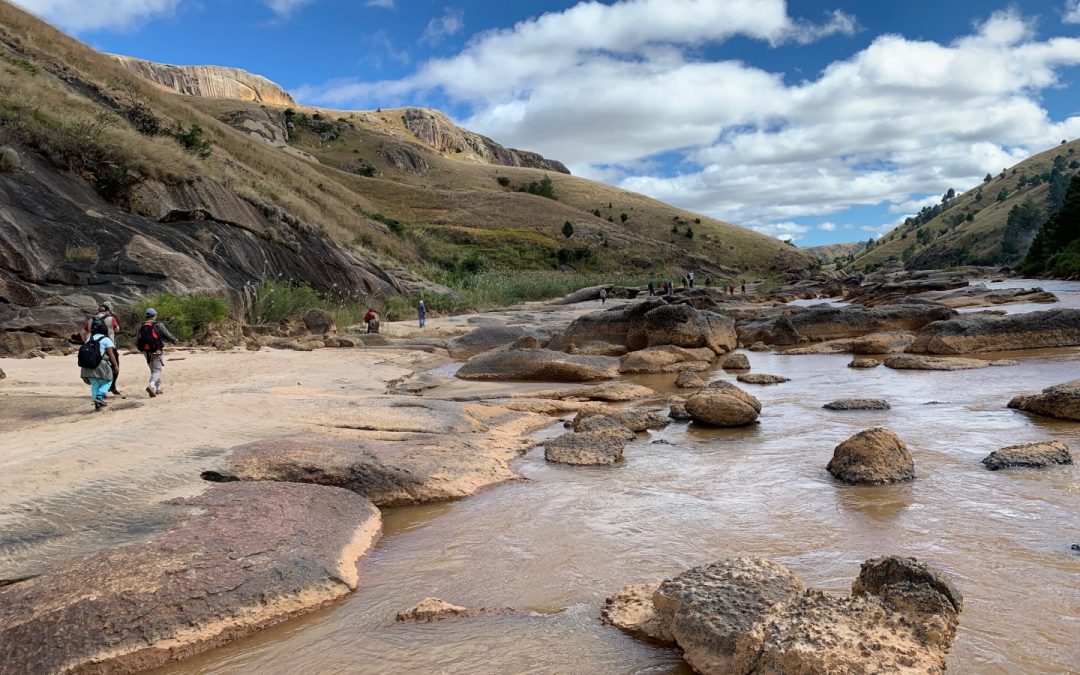
Movers and shakers: using supercomputers to understand how supercontinents form and drift apart Professor Zheng-Xiang Li, of Curtin University in Western Australia, has combined his love of travel with a life-long interest in nature to study the processes that shape...

by Admin | Oct 25, 2019 | Articles
3D images of leaves: a photo shoot we should all be looking at In our modern age of “plant blindness” – where people underappreciate the plants around us – Professor Margaret Barbour and her PhD student, Richard Harwood, are imaging leaves in three dimensions. Not...

by Admin | Oct 16, 2019 | Articles
Why do people working in STEM stay in their jobs – and why should we care? Dr Kohyar Kiazad and his colleagues are looking into reasons why people working in STEM stay in – not leave – their jobs. With the Australian Government investing heavily in this sector, the...
by Admin | Oct 4, 2019 | Articles
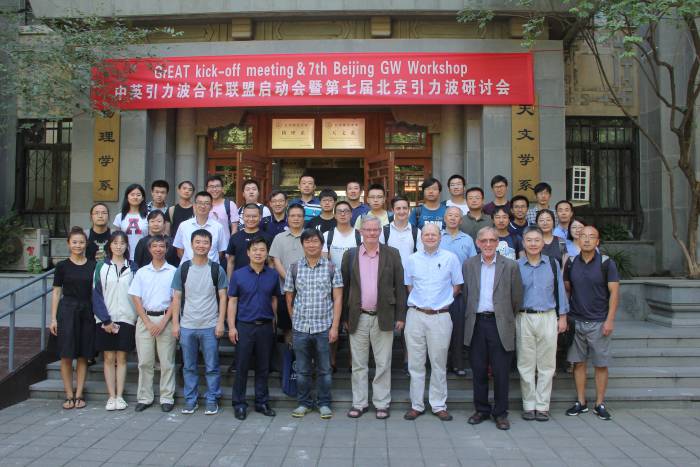
GrEAT potential: why China and the UK are working together in gravitational-wave research The Gravitational-wave Excellence through Alliance Training (GrEAT) Network is bringing scientists in the UK and China together, and their collaboration is opening a new window...

by Admin | Sep 13, 2019 | Articles
Using supercomputers to simulate super tornadoes Dr Leigh Orf was just five years old when his home was struck by lightning. Now an atmospheric scientist at the Cooperative Institute for Meteorological Satellite Studies, University of Wisconsin-Madison, USA, he is...

by Admin | Sep 11, 2019 | Articles
Microplastic pollution: how bad is it and what can we do to solve it? Based at the Skidaway Institute of Oceanography and the University of Georgia Marine Extension in the US, Professor Jay Brandes and Dodie Sanders are investigating the extent of microplastics...

Recent Comments