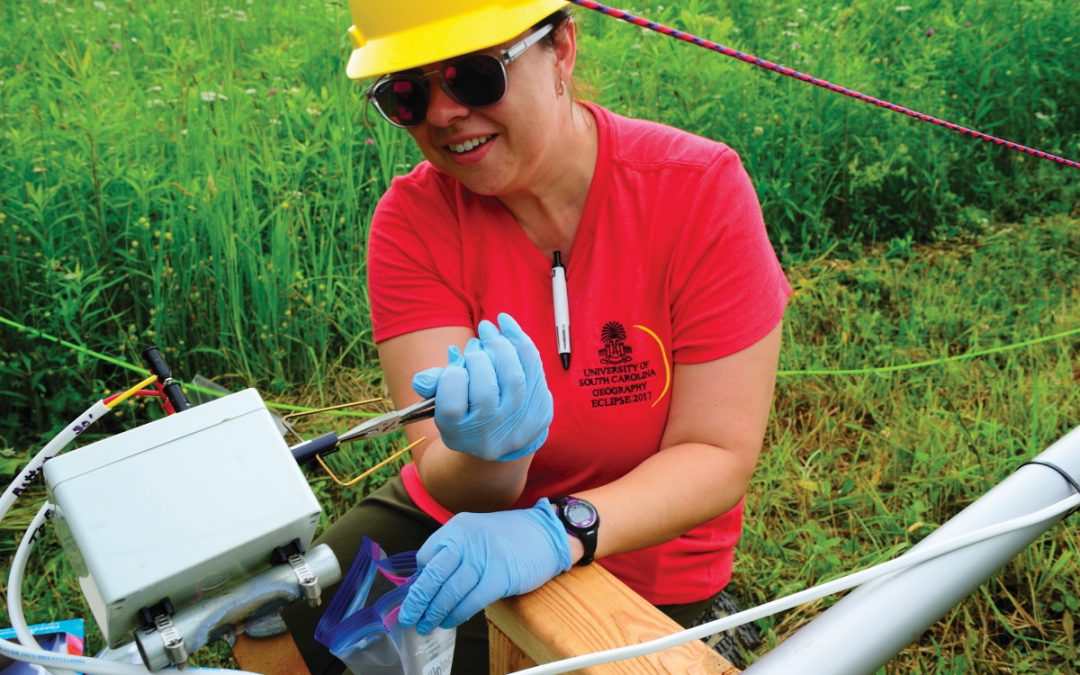
by Admin | Feb 16, 2021 | Articles
Understanding how air pollution spreads Dr April Hiscox, based at the University of South Carolina, USA, is one of the principal investigators of the SAVANT Project, which looks at how air moves at night near the Earth’s surface. The findings will provide insights...
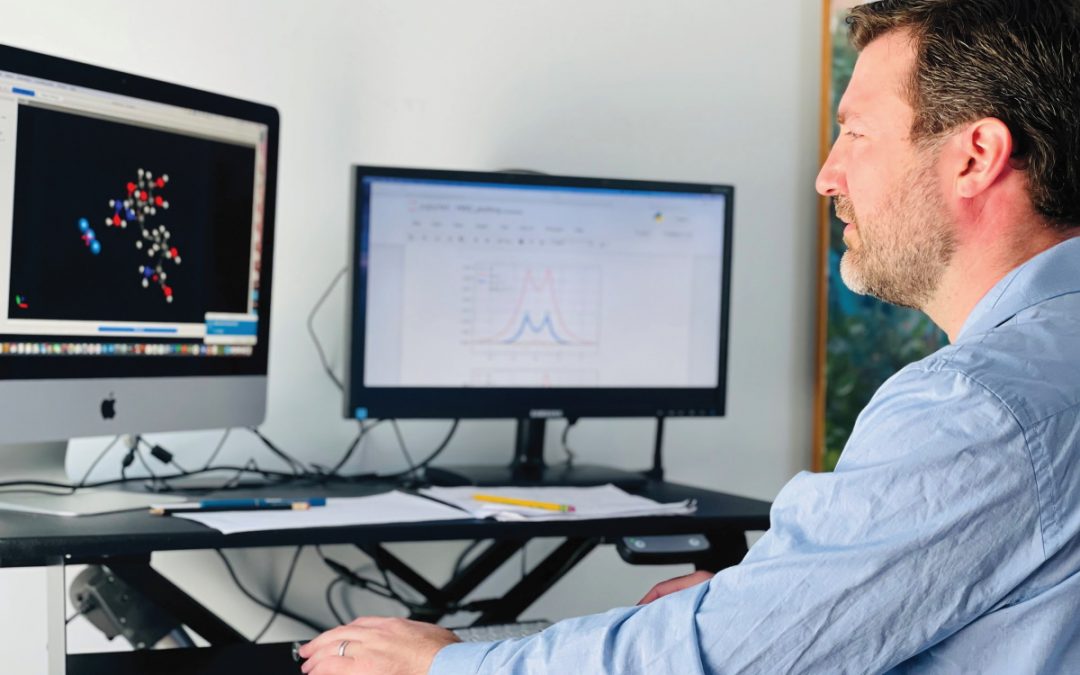
by Admin | Feb 11, 2021 | Articles
How computational chemistry could usher in a sustainable future Extracting carbon dioxide from the atmosphere and turning it into something useful could be a key tool for tackling climate change, but the chemical reactions involved are not straightforward. Professor...

by Admin | Feb 5, 2021 | Articles
Did you know that gangs are not all about crime and violence? We are bombarded by the media with endless news about gang violence and criminal activities. However, a group of scientists want to put forward a different scenario. Dr Carles Feixa Pàmpols and Dr José...

by Admin | Feb 4, 2021 | Articles
Building inclusivity into astrophysics Many STEM fields continue to suffer from a lack of diversity – people from minority backgrounds miss out on rewarding careers and science misses out on exceptional talent. Dr Rodolfo Montez Jr. and Christine Crowley, of the...
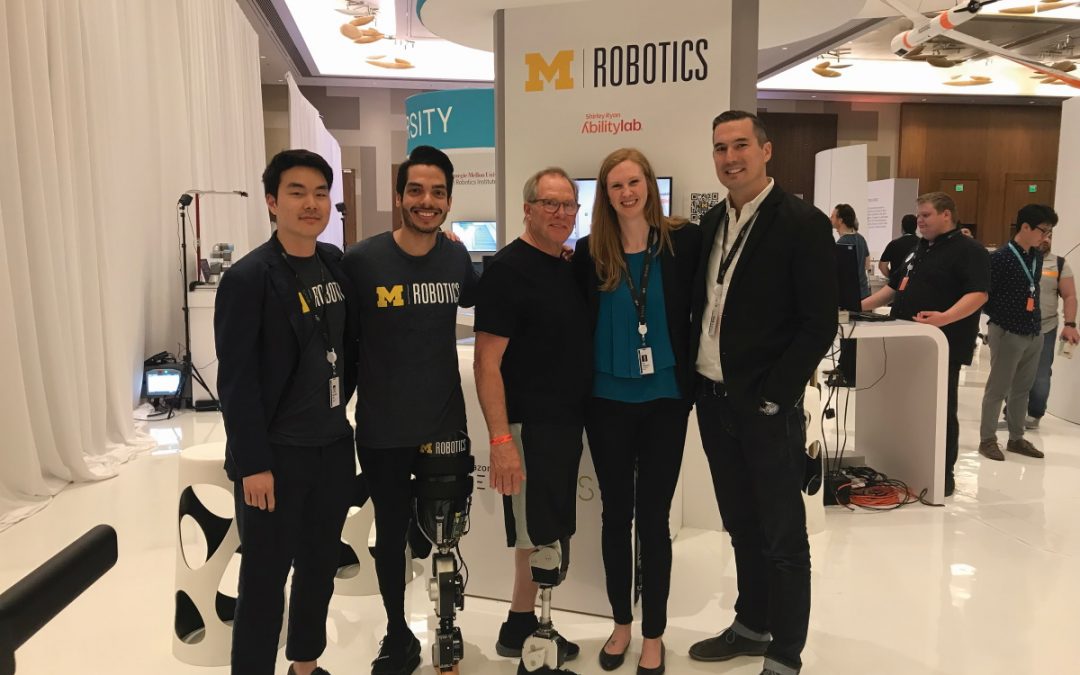
by Admin | Feb 1, 2021 | Articles
How can robots help us walk? Prosthetic legs have enabled thousands of people with a disability walk, but artificial limbs can be stiff and uncomfortable to use. Dr Elliott Rouse, of the University of Michigan, is using robotics to help us understand how people walk...
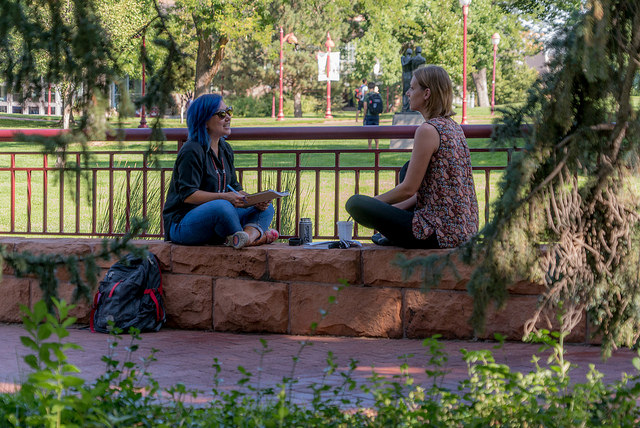
by Admin | Jan 28, 2021 | Articles
Making teaching as inclusive as possible It’s commonly known that many fields of STEM, in particular engineering and computer science, suffer from a lack of diversity. Tackling this is a major challenge, so Dr Christina H. Paguyo and Dr Valentina Iturbe-LaGrave, from...

Recent Comments