
by Admin | Sep 13, 2021 | Articles
The water of life: Where does desert fog come from? The lack of rainfall in desert environments means that many plants and animals rely on fog and dew to provide their water. But where does this fog come from? And what will happen to these ecosystems as the climate...
by Admin | Sep 9, 2021 | Articles
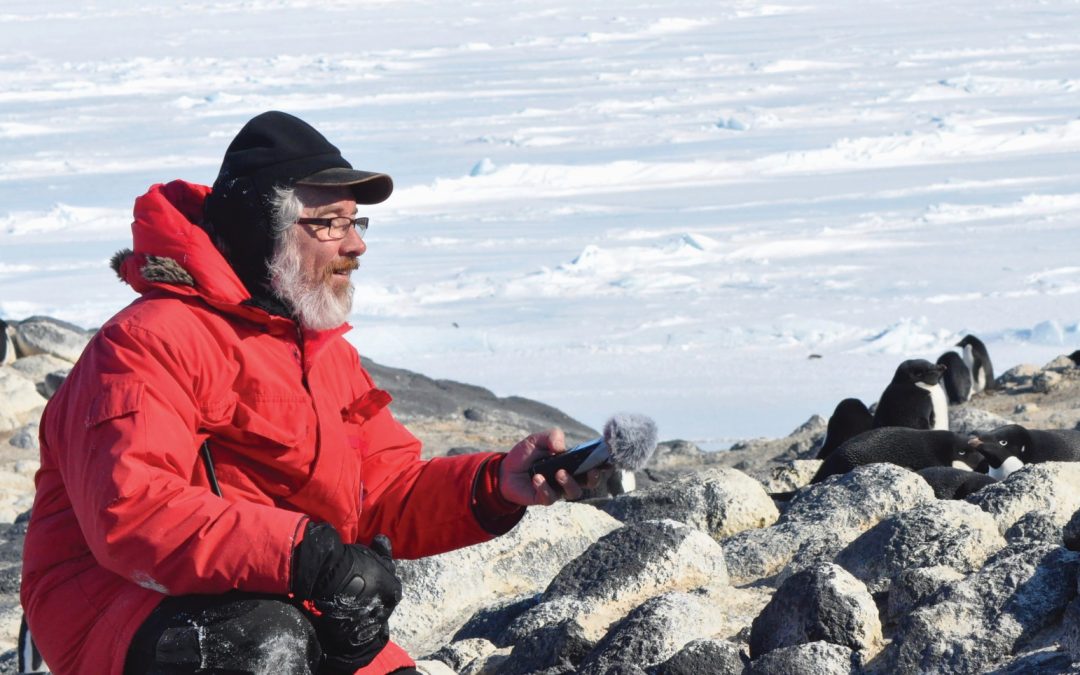
What if we could translate data into sound? The human ear can process information far better than the eye, so why are data almost always presented to us in visual forms? Composer Glenn McClure is the principal investigator of a National Science Foundation project,...
by Admin | Sep 7, 2021 | Articles
How do cells control protein levels? The genetic information that defines each of us is stored in the DNA within our cells. Dr Georg Kustatscher, from the University of Edinburgh in the UK, is researching how this information is translated into the proteins that are...

by Admin | Aug 31, 2021 | Articles
How does climate change impact aquaculture? One significant effect of climate change is that the ocean is becoming increasingly acidic. This has implications for marine life, including farmed shellfish such as oysters and mussels. Dr Susan Fitzer at the University of...

by Admin | Aug 25, 2021 | Articles
Helping to develop a gonorrhoea vaccine Dr Cynthia Nau Cornelissen is a microbiologist who runs her own laboratory at Georgia State University in the US. Her current research is focused on understanding more about gonorrhoea. The findings could one day lead to a...

by Admin | Aug 24, 2021 | Articles
The brain is the next frontier Dr Amanda Brown is a neuroscience researcher based at Johns Hopkins University in the US. She is studying inflammation and neuronal injury in the brain, particularly that caused by HIV-associated disorders. The findings could lead to the...

Recent Comments